







 Australia’s Spring Auctions Rise but Remain Well Below 2025
 Number of Foreigners Holding Turkish Residence Permits Exceeds 1.27 Million
 Demand from Russian Tourists for Holidays in Georgia Rises by 20–25%
 Montenegro Property Buying Costs in 2026
 Four in Ten Companies Would Not Choose Slovakia
 Gulf Countries Prepare Unified Tourist Visa
Foreign buyers are in no hurry to purchase real estate in Saudi Arabia
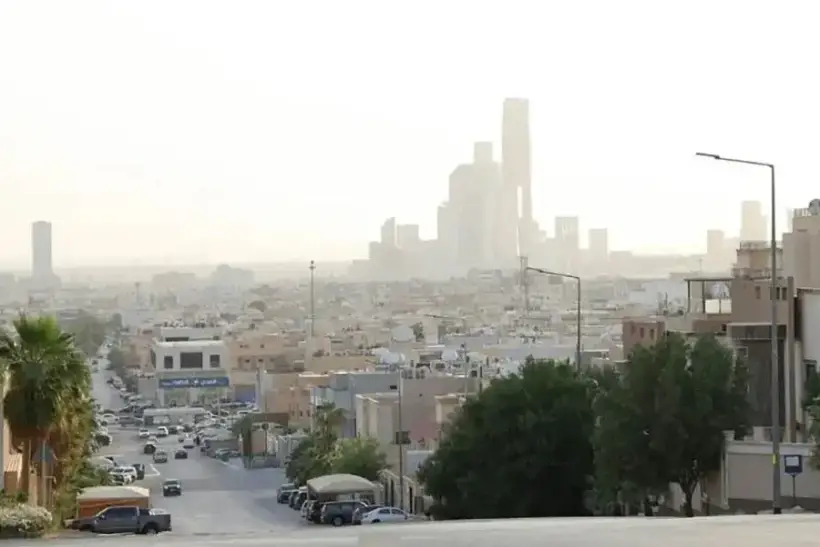
Saudi Arabia’s real estate market has become more accessible to foreign buyers, but the introduction of new regulations has not yet resulted in a sharp increase in demand. Experts expect interest from international investors to grow gradually as the market becomes more transparent and easier to understand, Arabian Gulf Business Insight (AGBI) reports.
New rules for buying property in Saudi Arabia
The Real Estate General Authority of Saudi Arabia published detailed rules for foreign property purchases in June. This happened almost six months after a law came into force allowing foreign citizens to acquire residential and commercial properties in the country.
Earlier this year, it was already known that transactions would only be permitted in specially designated areas, mainly in major cities and locations linked to mega-projects under the Vision 2030 programme. However, developers and sellers had been waiting for official confirmation of the approved zones. Some companies slowed construction because they first wanted to understand whether they would be able to market new properties to foreign buyers.
“It was a very painful six months,” said Elena Boheme, an adviser at property consultancy Coldwell Banker. “We were not always able to close a transaction because of the lack of clarity. Now the legislation is there, and people are able to make decisions.”
The liberalisation of the real estate market is part of Saudi Arabia’s broader economic reform programme. By 2030, authorities aim to increase the residential and commercial real estate market to around $84 billion annually.
Why investors remain cautious in Saudi Arabia
Saudi Arabia has not yet seen a surge in interest from foreign property buyers. Investors remain cautious due to the fact that the new ownership rules are still unfamiliar and because the country is reassessing some of its wider economic priorities. Authorities have begun adjusting several of the most ambitious Vision 2030 projects amid rising costs, weaker-than-expected foreign investment inflows and geopolitical challenges.
NEOM has postponed further development of the futuristic city The Line, tourism projects on the Red Sea coast and the Trojena mountain resort until at least the beginning of the next decade. The Line was previously considered one of the key symbols of Saudi Arabia’s economic transformation. The project, consisting of two mirrored skyscrapers stretching 170 kilometres, was valued at more than $1 trillion.
Instead of focusing on the largest-scale initiatives, authorities are now prioritising projects that can generate economic returns more quickly. NEOM will focus on the Oxagon industrial complex, port infrastructure, energy systems and digital projects, including the development of data centres and artificial intelligence technologies.
Another factor affecting investor sentiment is slower economic growth. According to the International Monetary Fund’s forecast, Saudi Arabia’s GDP growth may reach around 2% in 2026, below the previous estimate of 3.1%.
Interest shifts toward Saudi Arabia’s hospitality projects
Ryan Dougan, a real estate adviser at Bayut Wealth, said the market remains at an early stage of development and that activity will increase gradually. He added that most institutional investors and family offices considering entering the Saudi market already have business or family ties to the country. Those without such connections are more often interested in hospitality projects, as authorities plan to add 362,000 hotel rooms by 2030.
Susan Amawi, head of Knight Frank’s Saudi Arabia office, also noted that there has been no significant increase in activity so far. In the near term, demand is likely to come primarily from citizens of Gulf Cooperation Council (GCC) countries, expatriate residents of Saudi Arabia and regional investors who are already familiar with the local market.
International Investment analysts expect international interest to expand as regulatory transparency improves. However, they note that the new rules have not removed all barriers for foreign investors. Geopolitical tensions also continue to limit the appetite of potential buyers.