







 Covivio Hotels Revenue Grows 4.7% as European Markets Split
 Lithuanian Apartment Prices Accelerate Across Major Cities
 Georgia's Tourism Revenue Hits Record High
 Norway's Sovereign Fund Commits €1.5bn to European Warehouses
 Market Rout of October 2026: Can Branded Hotels Protect Capital?
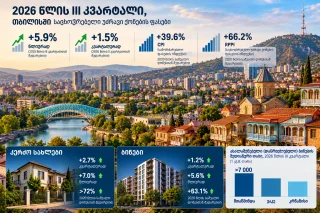 Residential Property Prices in Tbilisi Rise by 5.9% Year-on-Year
Villa Owners in Thailand Could Lose Their Land
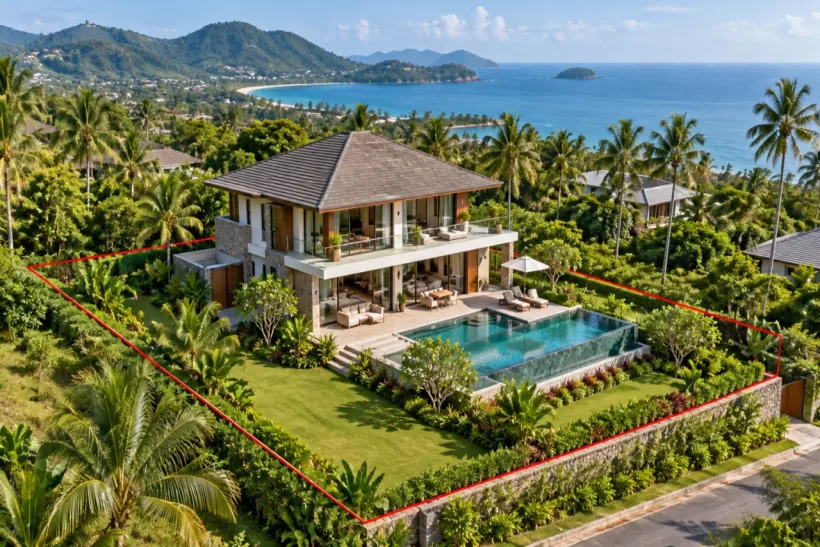
Owners of villas in Thailand could lose land acquired in violation of the law. Authorities are examining 2,360 plots with a combined value of approximately $417 million, focusing on funding sources and the structure of the transactions. The properties could be put up for compulsory sale.
Which Land Transactions Are Thai Authorities Investigating?
On October 19, Prime Minister Anutin Charnvirakul announced a major crackdown on the use of nominees to hold land. The inspections in Thailand will cover almost 1,400 companies that acquired 2,360 plots spanning approximately 875 hectares (5,467 rai). Investigators are examining ownership documents, financial flows and corporate links to identify the beneficial owners. The transactions are suspected of having been carried out on behalf of foreign nationals.
If violations are confirmed, the authorities will be able to initiate compulsory sales of the land. Decisions will depend on the findings in each case. The prime minister has ordered priority investigations to be completed by December 2026 and called for measures to prevent the properties from being transferred to other nominees.
Authorities are also tightening oversight of new property purchases in Thailand. More extensive scrutiny is required for cash payments of at least 2 million baht ($60,000) or properties with an assessed value of at least 5 million baht ($149,000). Thai citizens married to foreigners must demonstrate that the purchase was funded with their own money.
Buying Apartments and Villas in Thailand
Foreign nationals in Thailand can buy apartments in registered condominiums and hold full ownership rights. However, the foreign ownership quota cannot exceed 49% of a building’s total unit area. Different rules apply to villas: the house can be registered in the buyer’s name, while the land beneath it is generally leased. Foreigners are prohibited from owning land directly, apart from certain exceptions provided by law.
Long-term land leases, or leaseholds, can be registered for up to 30 years. Some developers offer agreements with two possible extensions, promising buyers the use of a plot for 90 years. Such assurances, however, do not carry unconditional legal force. In one case, Thailand’s Supreme Court invalidated pre-agreed renewal provisions for land leases in Thailand under a “30 + 30 + 30” arrangement.
Some foreign investors try to circumvent these restrictions by registering plots in the names of Thai citizens or through local companies with nominee shareholders. In either case, the Thai party is the registered owner, while a foreign national finances and controls the purchase. Such arrangements violate the law and create a risk of compulsory land sales.
Investigation Into Luxury Homes in Bangkok
On October 10, Thai police conducted raids at four luxury residential developments in Bangkok. The case involves 94 homes and land plots worth more than 6 billion baht ($178 million). Investigators suspect that the real estate in Bangkok was acquired through 95 companies using Thai nominee shareholders to conceal the involvement of foreign investors.
Law firms and agencies that helped overseas buyers arrange purchases through local companies are also under investigation. Police are examining the intermediaries’ role in creating fictitious corporate structures and recruiting nominee shareholders. Eleven foreign nationals were detained during the operation, while the total number of arrest warrants issued reached 86. Some of the properties were purchased as far back as 2022.
Implications for Buyers and Investors
Analysts at International Investment note that tighter enforcement in Thailand could affect resale prices for villas. Properties with opaque ownership histories may become less attractive as prospective buyers factor in the risk of legal disputes and additional costs. Even high advertised rental yields are unlikely to offset restrictions on an owner’s ability to dispose of an asset.
When buying a villa, it is important to consider the legal status of both the building and the land, any encumbrances, the lease term and the conditions for transferring rights to a new owner. Where a transaction involves a Thai company, its ownership structure and the shareholders’ actual involvement also need to be assessed. Owners of properties held through nominees should take potential resale difficulties into account.
Over the longer term, consistent enforcement of the law could strengthen investor confidence. For those involved in questionable arrangements, however, closer scrutiny brings the risk of financial losses and prolonged legal proceedings.
FAQ: Questions and Answers
What restrictions apply to foreign buyers of land in Thailand?
Foreigners are generally prohibited from owning land. The law provides limited exceptions, but leasing is the option available to most buyers.
How can ownership of a villa in Thailand be registered?
Ownership of a house can be registered separately from rights to the land. The applicable arrangements depend on the property documents and the legal basis for using the plot.
How long can a leasehold in Thailand last?
A standard lease can run for up to 30 years. Promises of two renewals do not amount to a guaranteed 90-year lease.
What requirements apply when buying through a Thai company?
Company ownership can be lawful when Thai shareholders genuinely participate in the business. Using fictitious shareholdings to circumvent land ownership restrictions is illegal.
What are the risks of registering land in a nominee’s name?
If violations are established, authorities may initiate the compulsory sale of the land. Those involved can also face legal proceedings.