










Slovenia Work Permits Become a Key Hiring Bottleneck
Why employers face growing immigration complexity
As labour shortages intensify, Slovenian companies are increasingly turning to international talent. Yet the country’s work permit and visa framework remains highly procedural, particularly for employers without a local legal entity. Sponsorship obligations, labour market checks and compliance requirements add significant administrative friction to cross-border hiring.
Who needs a work permit in Slovenia
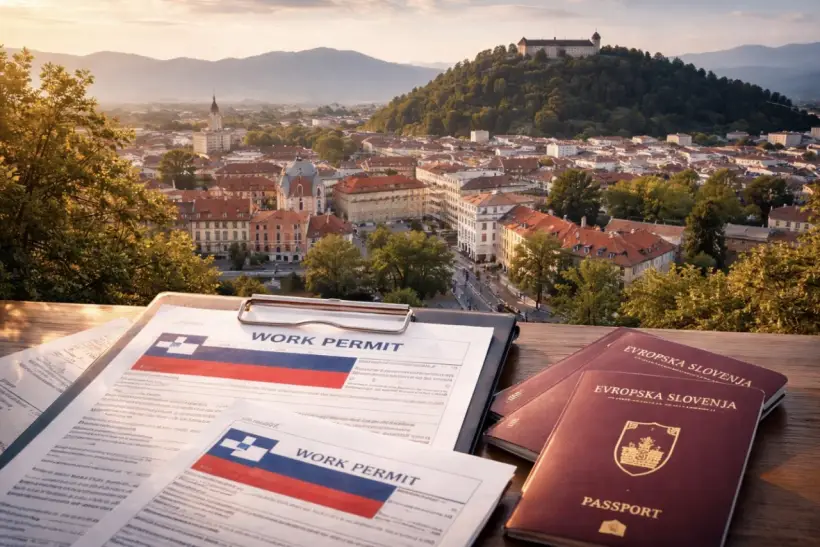
Work permits are mandatory for non-EU and non-EEA nationals seeking employment in Slovenia. This applies to standard employment, seasonal work, long-term assignments and self-employment. Employers bear responsibility for ensuring that foreign workers hold valid authorisation before starting work, making immigration compliance a core HR risk area.
Main types of work permits and visas
The backbone of Slovenia’s system is the single permit, combining residence and work rights into one document. Highly qualified professionals may qualify for the EU Blue Card, which imposes stricter salary and education thresholds. Separate regimes exist for seasonal workers and self-employed individuals, though these routes cover limited use cases.
Choosing the right hiring model
Employers must carefully assess whether to hire foreign talent as employees, engage independent contractors or relocate staff through an employer-of-record structure. Direct employment ties the worker to a specific role and location, while contractor models require close attention to tax and misclassification risks under Slovenian law.
How the application process works
In most cases, the employer initiates the application by confirming job conditions and submitting documentation to the competent administrative unit. Authorities may conduct labour market tests or eligibility checks before approval. The employee then completes the process through a Slovenian consulate or locally, depending on their location and permit type.
Processing timelines and delays
Temporary residence and work permits typically take between six weeks and three months to process once documentation is complete. Permanent residence requires substantially longer timelines. Delays often stem from missing paperwork, translation issues or peak-season backlogs at administrative offices.
Costs and administrative burden
While official government fees for work permits and visas in Slovenia are relatively modest, total costs increase once translation, legalisation, consular and advisory expenses are factored in. For employers scaling internationally, these hidden costs can quickly accumulate.
Digital nomads and remote workers
Slovenia does not currently offer a dedicated digital nomad visa. Remote workers must rely on short-term stay rules, EU mobility rights or self-employment permits, each carrying legal and tax implications. This limits Slovenia’s competitiveness in attracting globally mobile professionals.
Employer obligations after approval
Once a permit is issued, employers must ensure full compliance with employment, tax and social security regulations and monitor renewal deadlines closely. Failure to comply can result in permit revocation and restrictions on future foreign hiring.
As experts at International Investment report, Slovenia’s work permit regime remains viable but demands long-term planning. For internationally minded employers, success increasingly depends on structured compliance strategies rather than ad hoc immigration solutions.