











Barcelona Doubles Tourist Tax to €15 per Night
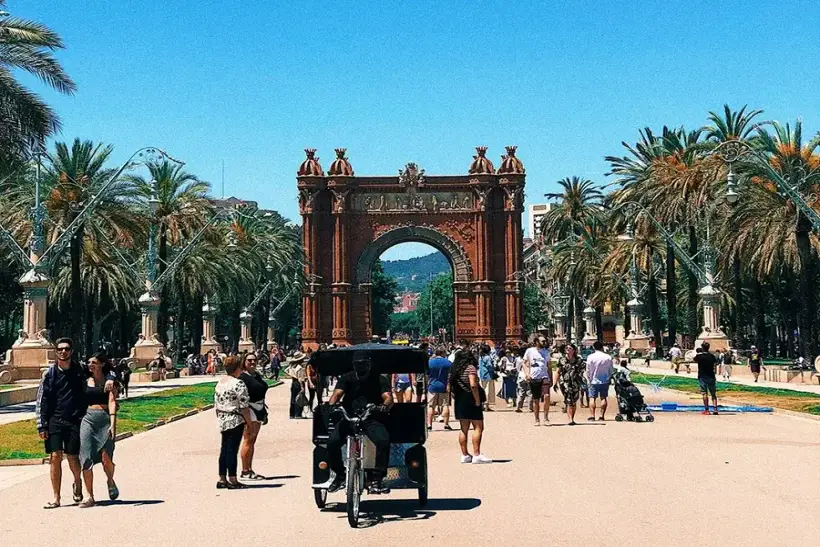
New tourist levy to take effect in April 2026
Barcelona is preparing to significantly increase its tourist tax starting in April 2026 as city authorities seek to address the challenges created by mass tourism.
Under the new rules the overnight tax applied to hotels and short-term rentals will nearly double. Depending on the accommodation category, visitors may pay between approximately €10 and €15 per night. For short-term rental properties the tax is expected to rise from around €6.25 to €12.50 per night.
As a result even short stays in the city will become noticeably more expensive. A two-night stay in a four-star hotel could add dozens of euros to the total cost of a trip solely due to the increased tax.
Overtourism pressures push authorities to act
The tax increase is part of Barcelona’s broader strategy to tackle overtourism and ease pressure on the city’s infrastructure and housing market.
Barcelona remains one of Europe’s most visited destinations. According to local authorities the city welcomed about 15.8 million tourists in 2025.
Such visitor numbers have intensified pressure on public transport, housing availability and local services. Residents and civic groups have increasingly raised concerns that the rapid growth of tourism has contributed to rising rental prices and reduced housing affordability.
Officials say the additional tax revenue will be directed into a tourism reinvestment fund aimed at improving public transport, sustainability initiatives and urban infrastructure.
Airlines and hotels may face shifting demand
The tax increase could influence tourism demand, particularly among budget-conscious travelers. Barcelona is a major destination for visitors from the United Kingdom, France, Germany, the United States and China.
Airlines such as Ryanair, British Airways and Lufthansa are closely monitoring the potential impact, as the additional costs could influence booking patterns.
Major hotel groups including Marriott, Hilton, Hyatt and Accor may also adjust pricing as the higher tourist tax becomes incorporated into accommodation costs.
Short-term rental market likely to feel pressure
The new tax structure will also affect the short-term rental sector. Platforms such as Airbnb have become a popular alternative for travelers seeking flexible accommodation.
However the increased tax burden could push rental prices higher and reduce the competitiveness of short-term stays.
Tourism analysts suggest that some travelers may begin comparing Barcelona with alternative destinations such as Lisbon, Madrid or Athens where overall travel costs may remain lower.
Barcelona seeks balance between tourism and local life
Despite potential short-term impacts on visitor numbers city officials argue that the tax increase is necessary to maintain long-term sustainability.
Barcelona has already introduced a number of measures to regulate tourism including limits on short-term rental licenses, restrictions on new hotel developments and investment in infrastructure improvements.
As experts at International Investment note, Barcelona’s decision to raise tourist taxes reflects a broader trend across Europe where major destinations are trying to manage overtourism while maintaining economic benefits from travel. Similar policy approaches may appear in other popular cities as governments attempt to balance tourism growth with housing affordability and urban sustainability.