







 Vietnam Mortgage Surge Pushes Homes Out of Reach
 Lithuanian Apartment Prices Accelerate Across Major Cities
 London Flats Lose Value Ahead of Leasehold Reform
 Construction of the Batumi–Sarpi Highway Begins in Georgia
 Baltic Property Investment Accelerates in 2026
 Hong Kong and Singapore Renew Their Expat Rivalry
Sweden Kept Rates on Hold
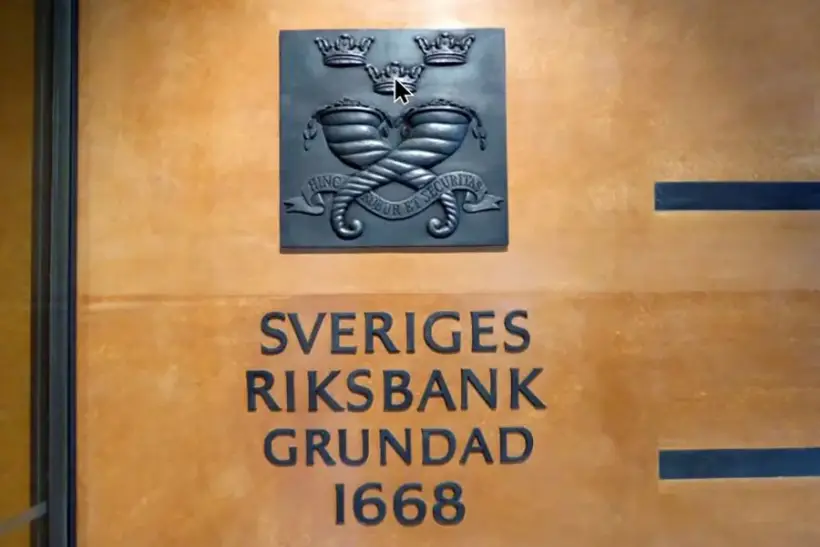
Riksbank held its rate as uncertainty deepened
Sweden’s central bank kept its policy rate unchanged at 1.75% on March 19, opting for caution as inflation stayed near target while the external backdrop deteriorated sharply because of the war with Iran and a renewed energy shock. Back in January, the Riksbank had already signaled that the rate was likely to remain at that level for some time, and the March decision broadly maintained that stance. On the Riksbank’s website, the policy rate remained 1.75% as of March 19, matching the level set in January.
Swedish inflation moved close to target before the shock
The hold makes sense against the latest inflation data. Statistics Sweden said CPI inflation was 0.5% in February, while CPIF inflation, the Riksbank’s target measure, slowed to 1.7% from 2.0% in January. The Riksbank’s formal inflation target is 2% in CPIF terms, which meant inflation had already moved into a relatively comfortable zone before the latest geopolitical escalation. That had previously left room for markets to discuss a softer rate path later in 2026.
The Iran war changed the outlook for central banks
That picture shifted in March as oil and gas prices jumped. Bloomberg had already reported that Sweden’s government cut its 2026 growth forecast, citing the war in the Middle East and rising geopolitical anxiety as factors likely to slow the recovery. In an official release, the Swedish government also said global uncertainty in 2026 was expected to remain high because of the war and new trade risks. For the Riksbank, that means the question is no longer only about weak domestic demand, but also about renewed imported inflation through energy prices and the krona.
The Riksbank chose caution rather than renewed easing
A few days before the meeting, Morningstar said the Riksbank was expected to leave the policy rate at 1.75% because underlying inflation remained below target, while higher energy prices linked to the war could temporarily lift headline inflation again. The same analysis said market expectations had shifted sharply, with investors moving away from the idea of a rate cut and beginning to price the possibility of a rate increase later in 2026. That makes the March decision more than a routine hold: it reflects a broader change in the mood across central banks.
What the hold means for Sweden’s economy
The challenge for Sweden is that the recovery still looks fragile. In January, the Riksbank’s view was that the economy was growing at a solid pace, while the labor market remained weak but was showing signs of improvement. The added external shock now complicates that balance by threatening confidence, exports and inflation expectations at the same time. Holding the rate steady gives policymakers time and avoids encouraging markets to assume that a new easing cycle is imminent.
What signal markets received from Sweden’s decision
The message to markets is that Sweden is not ready to move back toward cheaper money. With February CPIF below target, the Riksbank could in theory have sounded more dovish, but the worsening global backdrop is forcing a more defensive stance. In that sense, Sweden is moving in step with other central banks that also paused in March as a new wave of inflation risk emerged from the Middle East conflict.
As International Investment experts report, the significance of the Riksbank’s decision lies in the regime shift it signals. Until recently, markets still saw room for a softer Swedish rate path, but the new energy shock is forcing policymakers to keep conditions tighter for longer. For investors, that means Swedish monetary policy is now likely to be driven much more by external price risks than by domestic weakness alone, even with inflation below 2%.