







 Vietnam Mortgage Surge Pushes Homes Out of Reach
 Lithuanian Apartment Prices Accelerate Across Major Cities
 London Flats Lose Value Ahead of Leasehold Reform
 Construction of the Batumi–Sarpi Highway Begins in Georgia
 Baltic Property Investment Accelerates in 2026
 Hong Kong and Singapore Renew Their Expat Rivalry
Maldives and Thailand Ease Visa Rules Amid Aviation Disruptions
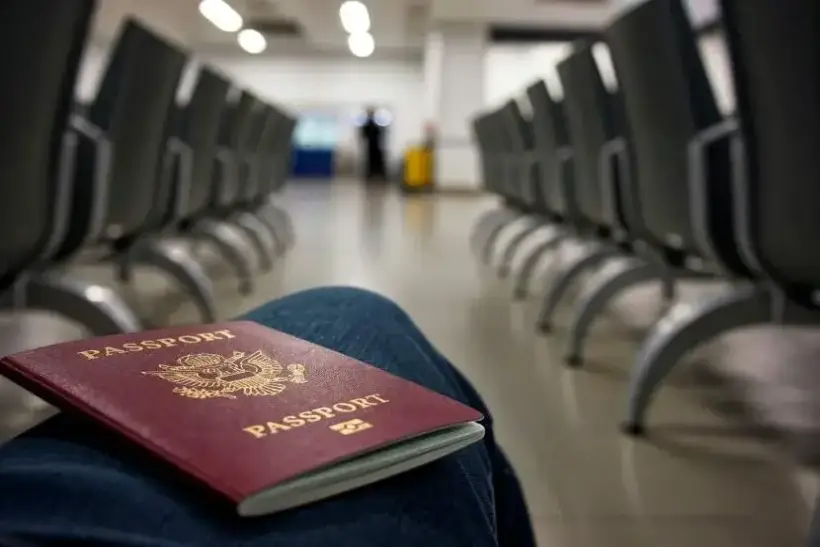
Visa flexibility introduced for stranded tourists
The Maldives and Thailand have introduced temporary visa easements for international tourists affected by widespread aviation disruptions linked to escalating tensions in the Middle East. The closure of parts of the region’s airspace and major flight reroutings have left thousands of travelers unable to return home as scheduled.
Authorities in both destinations have responded by relaxing immigration requirements and simplifying procedures for extending tourist stays. The measures are designed to prevent travelers from facing legal issues if their visas expire while flights remain unavailable.
Airspace closures disrupt global travel routes
The policy adjustments come after a sharp reduction in international air traffic through the Middle East. Military activity and defensive operations in the region forced several airlines to suspend or reroute flights.
Major Gulf carriers including Emirates, Qatar Airways and Etihad — which act as key transit links between Europe, Asia and tourism destinations across the Indian Ocean and Southeast Asia — have experienced operational disruptions.
Because many visitors reach the Maldives and Thailand through Gulf aviation hubs, the sudden changes in air routes created a backlog of stranded passengers.
Maldives introduces simplified visa extensions
The Maldivian government has instructed its immigration department to grant visa extensions to tourists currently in the country who cannot leave due to suspended flights through Middle Eastern transit hubs.
These extensions are expected to remain valid until commercial aviation routes are restored and regular schedules resume. Authorities have simplified the extension process in order to reduce administrative pressure on travelers.
Resorts, hotels and guesthouse operators across the islands are assisting visitors with documentation and coordinating directly with immigration officials.
Officials say the policy aims to preserve a positive visitor experience and prevent travelers from facing financial or legal complications during an unexpected stay.
Thailand launches emergency visa extension mechanism
Thailand has adopted a similar approach. The Ministry of Foreign Affairs and the Immigration Bureau have created a special mechanism allowing tourists to apply for short-term visa extensions due to force majeure circumstances caused by the aviation disruptions.
Application procedures have been simplified and, in some cases, administrative fees reduced or waived during the emergency period.
The initiative reinforces Thailand’s image as a welcoming and safe destination for international travelers while helping manage the impact of global travel disruptions.
Governments coordinate with airlines
Immigration authorities in both countries are working closely with airlines to verify which passengers have been affected by canceled or delayed flights.
Using airline data helps officials identify travelers who are genuinely stranded while preventing misuse of the emergency measures.
Industry experts note that without these visa adjustments many tourists could have faced legal difficulties after unintentionally overstaying their visas.
Global tourism sector feels ripple effects
The aviation disruptions highlight how geopolitical tensions can rapidly affect global tourism flows. Many long-haul routes between Europe and Asia depend heavily on Middle Eastern transit hubs.
Flexible visa policies introduced by the Maldives and Thailand are viewed as an effective crisis management strategy that helps maintain traveler confidence and protect tourism revenues.
Such policies also demonstrate how tourism-dependent economies can respond quickly to unexpected global disruptions in order to maintain stability in their travel sectors.
As International Investment experts report, the temporary visa flexibility introduced by the Maldives and Thailand illustrates how tourism-focused economies adapt immigration policy during geopolitical crises. These measures not only protect stranded travelers but also help preserve the long-term attractiveness of the destinations for global tourism.