







read also
 China Nears a Decision on Fresh Stimulus
 Fines for Illegal Rentals in Spain Reach €800,000
 Australia’s Spring Auctions Rise but Remain Well Below 2025
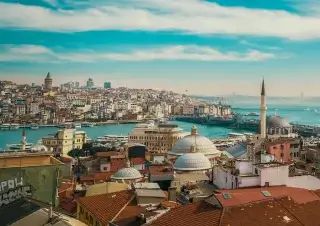 Number of Foreigners Holding Turkish Residence Permits Exceeds 1.27 Million
 Demand from Russian Tourists for Holidays in Georgia Rises by 20–25%
 Montenegro Property Buying Costs in 2026
Why are U.S. federal agencies clashing with Hilton and other hotel chains?
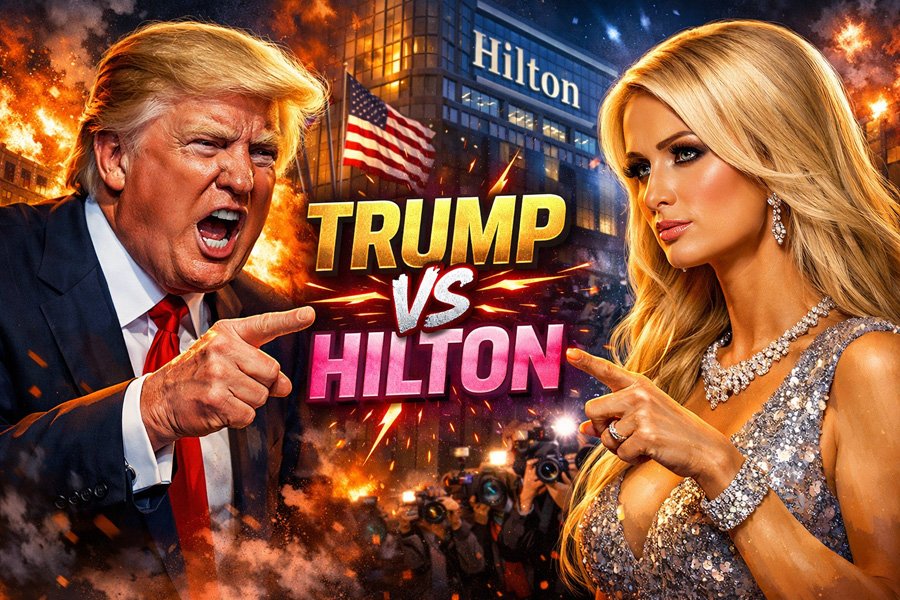
In early January 2026, an unexpected dispute erupted in the United States between the federal government and a Hilton-branded hotel after Immigration and Customs Enforcement (ICE) officers were denied hotel room reservations in the state of Minnesota, writes Washington Examiner.
What ICE officers wanted from the hotel
ICE officers and other units of the U.S. Department of Homeland Security (DHS) planned to stay at a Minneapolis-area hotel in connection with a large federal operation aimed at investigating alleged fraud and enforcing immigration laws.
The agency deployed up to 2,000 staff members to work on the ground. During preparations, they attempted to book hotel rooms using official government email addresses and government lodging rates.
How they intended to use the hotel
ICE is a federal agency responsible for enforcing immigration laws. When deploying personnel to another region, agents require accommodation and logistics to live and coordinate operations locally. Hotels booked in such cases are typically used as temporary housing for staff involved in operations — a standard practice for federal travel assignments.
Why the hotel refused the reservations
The Department of Homeland Security published screenshots on the social network X (formerly Twitter) of emails allegedly sent on behalf of Hampton Inn Lakeville (a Hilton franchise). The emails stated that due to a “surge in government-rate bookings associated with DHS,” the hotel would not accommodate ICE officers or other immigration services, and the reservations were cancelled.
This position was reportedly linked to the hotel noticing an unusual influx of government bookings and viewing ICE’s participation in the operation as controversial. The hotel also perceived the federal operation as politically sensitive and potentially damaging to its image, and therefore decided to refuse accommodation.
Why hotels dislike how ICE uses them
For some hotel owners, accommodating large numbers of law enforcement officers amid a tense political climate is undesirable for several reasons:
• potential protests or conflicts near the hotel linked to ICE activity;
• reputational risks if part of the clientele holds negative views on immigration enforcement;
• commercial considerations — frequent bookings at federal rates may interfere with regular hotel operations.
Although hotel management did not issue an official statement outlining these motivations, such factors often influence owners’ decisions in similar situations.
Why the Trump administration and ICE are outraged
The Department of Homeland Security and ICE called the hotel’s actions unacceptable, accusing it of attempting to obstruct law enforcement activities. DHS used strong language, including describing the situation as a “coordinated campaign” to deny services to government employees.
What refusing reservations could cost the hotel
The immediate federal response was that the U.S. General Services Administration (GSA) removed the hotel from all government lodging programs, potentially resulting in lost revenue from government contracts, according to U.S. General Services Administration.
In addition, Hilton stated that Hampton Inn Lakeville had been removed from its system and ceased using the Hilton brand because the owner’s actions did not comply with corporate standards. This could affect brand recognition and the volume of private bookings, writes Reuters.
What the Trump administration is threatening hotels with
Beyond exclusion from government lodging programs, the administration and ICE supporters used social media to call for boycotts of hotel chains that refuse to serve law enforcement officers.
This criticism has already had economic consequences: a drop in the company’s share price, reduced loyalty among some customers, and negative media attention, according to New York Post. Hilton shares, many of whose hotels operate under franchise agreements, fell by nearly 2.5% at the start of the week.
In the end
The conflict over hotel bookings for ICE officers in Minneapolis has become an example of how political and social tensions are spilling into the hospitality industry.
The authorities’ response shows that refusing to honor agreements with the government can lead to the loss of contracts, exclusion from official programs, and reputational damage for businesses.
At the same time, hotel owners can also be understood — they are guided by market logic and corporate etiquette, which underpins brand reputation, experts at International Investment note.
Precedents
In 2020, the same Hilton corporation stated that detaining immigrants “is not an activity that we support or want to be associated with in any way at our hotels,” after it emerged that a Texas franchisee had accepted bookings from an ICE contractor.
Two years ago, Motel 6 agreed to pay $7.6 million to settle a class-action lawsuit after several hotels provided guest lists to U.S. Immigration and Customs Enforcement agents.
And last year, a Sheraton hotel franchisee in Louisiana found itself at the center of a scandal over the alleged rental of rooms to Department of Homeland Security staff for holding individuals undergoing deportation proceedings.