







read also
 China Nears a Decision on Fresh Stimulus
 Fines for Illegal Rentals in Spain Reach €800,000
 Australia’s Spring Auctions Rise but Remain Well Below 2025
 Number of Foreigners Holding Turkish Residence Permits Exceeds 1.27 Million
 Demand from Russian Tourists for Holidays in Georgia Rises by 20–25%
 Montenegro Property Buying Costs in 2026
Royal Albert Hall Lawsuit Raises Tourism Questions
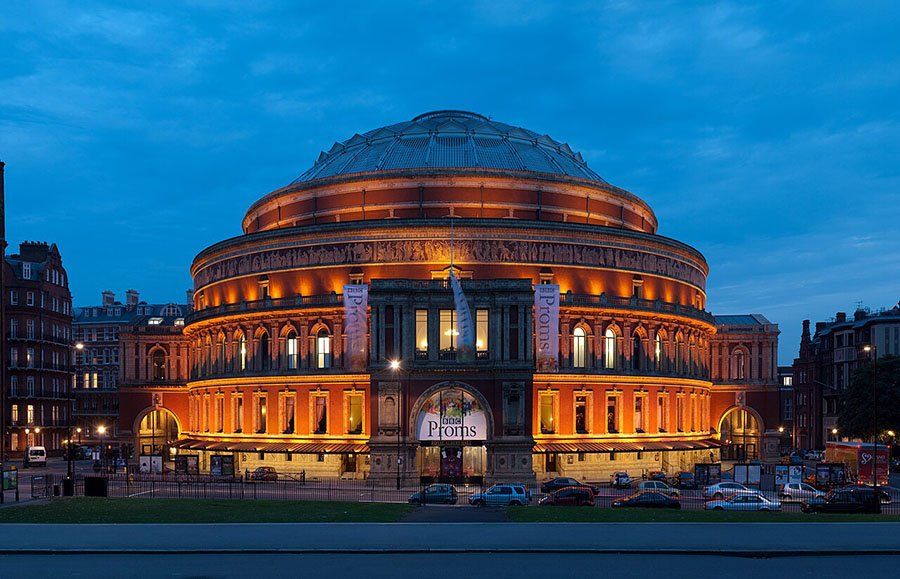
Photo: Wikimedia
London’s Royal Albert Hall, one of the UK’s most iconic cultural landmarks, is facing legal action after a US tourist, Carla Walker Schindler, filed a lawsuit following a fall during a guided tour in May 2024. The case has drawn attention not only to the venue itself but also to broader concerns about visitor safety across major UK tourist attractions.
According to the claim, the fall occurred in a balcony area during an internal tour. Schindler alleges that the lighting was inadequate, warning signage was insufficient, and unsecured seating contributed to the severity of the incident. She is seeking compensation for physical injuries and emotional distress linked to the accident.
Why the case matters beyond one venue
Royal Albert Hall is a global symbol of British culture, welcoming hundreds of thousands of visitors each year. Legal action involving such a landmark inevitably resonates beyond the individual circumstances of the case, raising questions about safety management at high-traffic tourist sites.
For international visitors, especially those traveling long-haul from the United States, perceptions of safety play an increasingly important role in destination choice. High-profile lawsuits can influence confidence even when incidents are isolated.
Potential impact on UK travel demand
While a single lawsuit is unlikely to trigger an immediate drop in tourism, it may contribute to heightened scrutiny of safety standards across attractions in London and beyond. Travelers are becoming more attentive to accessibility, lighting, signage, and crowd management when planning visits.
If similar cases were to emerge, they could gradually shape traveler behavior, particularly among older tourists or those with mobility concerns.
Airlines and hotels watch closely
The UK’s tourism economy is closely tied to transatlantic travel. Airlines such as British Airways, American Airlines, United Airlines, and Delta rely on strong inbound demand to London. Any sustained shift in traveler sentiment could eventually affect route planning, capacity, and pricing strategies.
London’s hospitality sector is equally exposed. Hotels across all segments depend heavily on international guests, and even modest changes in visitor numbers can influence occupancy rates and revenue.
A catalyst for stronger safety standards
The lawsuit may act as a catalyst for reviewing safety protocols at major attractions. Historically, such cases often prompt operators to reassess lighting, handrails, signage, and staff training to mitigate future risk.
In the long run, improved safety measures tend to strengthen visitor confidence rather than weaken it, reinforcing a destination’s reputation for professionalism and care.
What travelers should take away
For travelers, the case underscores the importance of staying informed and attentive while visiting busy attractions. The UK remains one of the world’s leading travel destinations, but incidents like this highlight the role of safety awareness in modern tourism.
As experts at International Investment report, the Royal Albert Hall lawsuit is unlikely to damage the UK’s tourism sector, but it highlights how legal accountability and infrastructure standards intersect with traveler confidence. In most cases, heightened scrutiny leads to better safety practices, ultimately benefiting both visitors and the long-term resilience of the tourism industry.