







read also
 China Nears a Decision on Fresh Stimulus
 Fines for Illegal Rentals in Spain Reach €800,000
 Australia’s Spring Auctions Rise but Remain Well Below 2025
 Number of Foreigners Holding Turkish Residence Permits Exceeds 1.27 Million
 Demand from Russian Tourists for Holidays in Georgia Rises by 20–25%
 Montenegro Property Buying Costs in 2026
Airlines Cancel Flights to Israel and Iran Amid Threat of Military Action
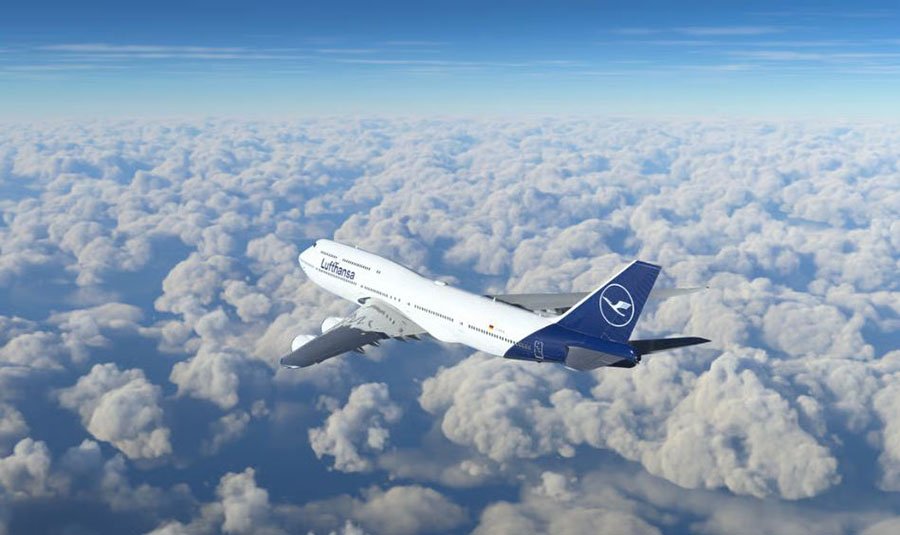
Photo: JFeed
Rising tensions surrounding a possible U.S. strike on Iran have begun to directly affect international air traffic, reports JFeed. Major European carriers have announced changes to their flight schedules to Israel, citing security risks and an unstable situation in the region.
Lufthansa, SWISS, Austrian Airlines, Brussels Airlines, and Eurowings have restricted flights to and from Tel Aviv. From January 15 to January 19 inclusive, services are operating during daytime hours only. Passengers affected by the schedule changes are being offered alternative travel options or the possibility to reschedule their departure dates.
Austrian Airlines has already canceled evening flights from Vienna, while ITA Airways has suspended evening services from Rome. Lufthansa Group has also advised its staff currently in Israel to prepare for a possible departure. In addition, Italy’s ITA Airways has suspended night flights to Tel Aviv until next week. These measures are based on intelligence assessments and public signals pointing to possible U.S. military action against Iran, which could trigger retaliatory strikes on Israeli targets or U.S. bases in the region.
On January 14, Iran temporarily closed its airspace for several hours, causing disruptions to international flight schedules. In particular, flights operated by India’s largest airline, IndiGo, were affected. Air India said it was using alternative routes, which could result in delays and cancellations. A Russian Aeroflot aircraft en route to Tehran was forced to return to Moscow. Iranian carriers Mahan Air, Yazd Airways, and AVA Airlines were among the first to resume flights after the restrictions were lifted.
Kazakh airlines have also stopped flying over Iranian territory, writes CMN.KZ. Air Astana said the changes affect flights to Sharm el-Sheikh, Dubai, Doha, and Medina. FlyArystan reported adjustments on the Atyrau–Doha and Aktau–Dubai routes.
According to analysts at OPSGROUP, most airlines are already avoiding Iranian airspace, viewing the situation as a signal of possible further military activity and an increased risk of misidentification of civilian aircraft. Carriers are advising passengers to check flight status in advance and to allow for potential cancellations and delays caused by longer маршруts.
Political and economic tensions around Iran remain high. Against the backdrop of ongoing protests in the country and harsh actions by local authorities, U.S. President Donald Trump previously announced the introduction of 25% tariffs on countries maintaining trade relations with the Islamic Republic and stated that “help is on the way.” The Pentagon is redirecting significant naval forces closer to Iran and the Middle East, including a carrier strike group, and is also carrying out a partial withdrawal of personnel from potentially vulnerable bases, notes APA. These steps reinforce expectations that the United States could move from political pressure to direct military action, consistent with the long and conflict-laden history of bilateral relations.
ABC notes that the confrontation between the United States and Iran has been forming for more than 70 years — from the CIA-backed coup of 1953 and the 1979 Islamic Revolution to the severing of diplomatic ties, sanctions pressure, and the nuclear crisis. Attempts at de-escalation in 2013–2016 through the JCPOA nuclear deal were effectively undone after the U.S. withdrew from the agreement during Donald Trump’s first presidential term. In 2025, the United States struck Iran’s nuclear infrastructure, after which Tehran refused to cooperate with international inspections.
Analysts at International Investment note that the current situation increases uncertainty for the regional aviation market. Airlines are forced to factor in scenarios of rapid escalation, restrict flights, or extend routes, which leads to higher travel costs.
In the tourism industry, demand is becoming less predictable. The number of trips has not fallen sharply, but the share of postponements and short-term decisions is growing, and tourist flows are becoming more sensitive to the news agenda, affecting airline load factors and hotel infrastructure. In such conditions, investors tend to postpone new investments in risk-exposed locations.