







read also





European and GCC tourists fuel UK hospitality
Photo: Unsplash
As 2025 approaches, the UK’s hospitality industry is experiencing strong momentum driven by visitors from France, Germany and the Gulf Cooperation Council countries. Industry analysts note that these markets account for a growing share of high-spending travelers, strengthening demand for premium accommodation and supporting a broader geographic spread of tourism beyond London.
Why France, Germany and GCC travelers choose the UK
French tourists continue to view the UK as a natural and accessible destination, supported by close cultural ties and efficient transport links. Short city breaks and luxury stays in London and Edinburgh remain particularly popular, reinforcing demand for historic and high-end hotels.
German travelers are increasingly attracted by the UK’s cultural depth and natural landscapes. Interest in heritage cities and rural regions has contributed to rising occupancy in areas such as the Lake District and northern England, where quality hospitality offerings align with preferences for authenticity and comfort.
Visitors from GCC countries represent the most affluent segment of inbound tourism. Travelers from the UAE, Saudi Arabia and Qatar typically prioritize five-star hotels, bespoke services and fine dining. Their spending patterns significantly influence occupancy rates and revenue growth across the luxury hospitality sector.
Hidden destinations gain prominence
The growing international interest is reshaping tourism flows within the UK. Regions such as the Cotswolds, Cornwall and the Scottish Highlands are increasingly positioned as premium alternatives to major urban centers. Boutique hotels, countryside estates and wellness retreats are benefiting from this shift, particularly among travelers seeking exclusivity and privacy.
Cities like Edinburgh and Bath continue to expand their luxury accommodation offerings, strengthening their appeal as cultural destinations with a high-end positioning.
Airlines respond to rising demand
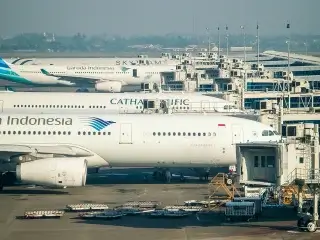
Air carriers are adjusting capacity to meet the surge in international travel. British Airways is expanding connections to regional airports, while Lufthansa is increasing frequencies from major German hubs. Emirates and Qatar Airways continue to scale up premium services from GCC markets, reinforcing the UK’s accessibility for long-haul luxury travelers.
Improved air connectivity is reducing reliance on London gateways and supporting the growth of regional tourism markets across the country.
As International Investment experts report, the growing presence of French, German and GCC tourists is becoming a structural driver of change for the UK hospitality industry. The shift toward premium and regional tourism enhances the sector’s resilience and opens new long-term investment opportunities across the UK market.