











Qatar Strengthens Its Global Tourism Role
Qatar recorded a historic surge in tourism in 2025, welcoming 5.1 million international visitors and marking its strongest performance to date. The milestone underscores the country’s transition from a regional destination to a globally competitive tourism hub, supported by a long-term strategy focused on economic diversification, cultural development, and international engagement.
Rising Global Interest in Qatar
Throughout 2025, Qatar attracted travelers from Europe, Asia, North America, and across the Middle East. A growing share of visitors came from the premium travel segment, drawn by high service standards, safety, and the combination of modern urban life with authentic cultural experiences. Doha remained the central gateway, offering world-class hotels, iconic architecture, and easy access to cultural landmarks.
Culture and Urban Identity
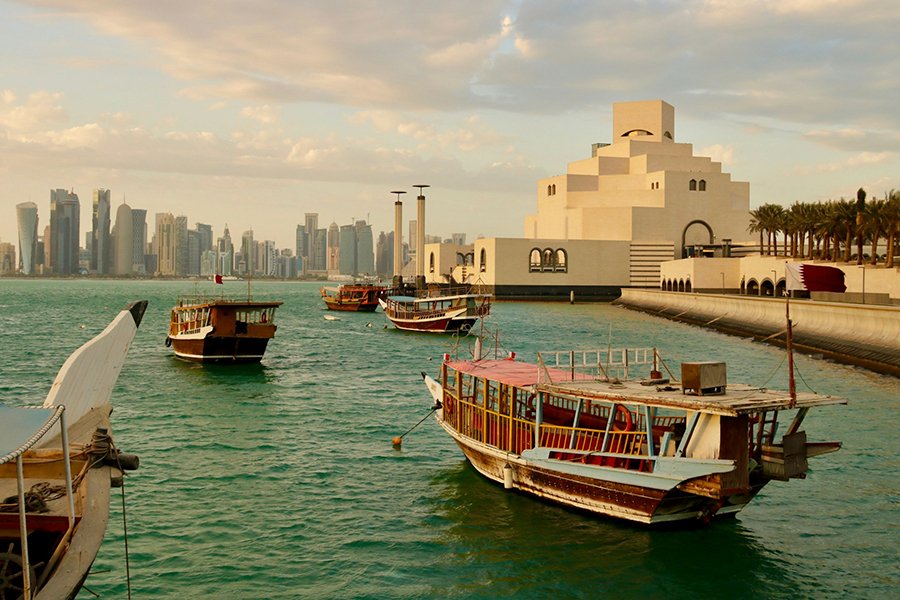
Cultural investment has become a cornerstone of Qatar’s tourism appeal. The Museum of Islamic Art continues to position Doha as a regional cultural capital, while Katara Cultural Village hosts year-round exhibitions, performances, and international festivals. The Doha Corniche reinforces the city’s image as a modern waterfront metropolis, blending public spaces with panoramic views of the Arabian Gulf.
Luxury Developments and Heritage Sites
The Pearl-Qatar has emerged as a flagship destination for high-end tourism, combining luxury residences, fine dining, and retail in a distinctive urban environment. Beyond the capital, heritage tourism has gained momentum, with the Al Zubara Fort offering insight into Qatar’s historical role in regional trade and settlement patterns, recognized by its UNESCO World Heritage status.
Nature and Events as Tourism Drivers
Qatar’s desert landscapes continue to attract visitors seeking outdoor and adventure experiences, particularly dune safaris and excursions to the Inland Sea, where desert and ocean converge. At the same time, the country leverages its strong reputation in sports and event tourism, building on the legacy of the 2022 FIFA World Cup and hosting a steady calendar of international competitions and cultural events.
Infrastructure and Sustainable Growth
Tourism growth has been underpinned by significant infrastructure investment. Hamad International Airport serves as a critical global gateway, while expanded transport networks and new hospitality projects enhance visitor mobility and comfort. Sustainability has become an integral part of Qatar’s tourism strategy, with increased attention to environmentally responsible development and cultural preservation.
Long-Term Outlook
Current trends suggest that tourism will remain a key pillar of Qatar’s economic strategy. By balancing culture, luxury, nature, and large-scale events, the country is positioning itself as one of the most diversified and resilient tourism markets in the Middle East.
As reported by International Investment experts, Qatar’s record tourism performance reflects a mature and forward-looking development model. Continued investment in infrastructure, sustainability, and global events is expected to support stable long-term growth and strengthen the country’s position in international tourism and investment markets.