







read also
 Vietnam Mortgage Surge Pushes Homes Out of Reach
 Lithuanian Apartment Prices Accelerate Across Major Cities
 London Flats Lose Value Ahead of Leasehold Reform
 Construction of the Batumi–Sarpi Highway Begins in Georgia
 Baltic Property Investment Accelerates in 2026
 Hong Kong and Singapore Renew Their Expat Rivalry
Boston Travel Chaos Disrupts US Air Network
Boston Logan at the center of disruption
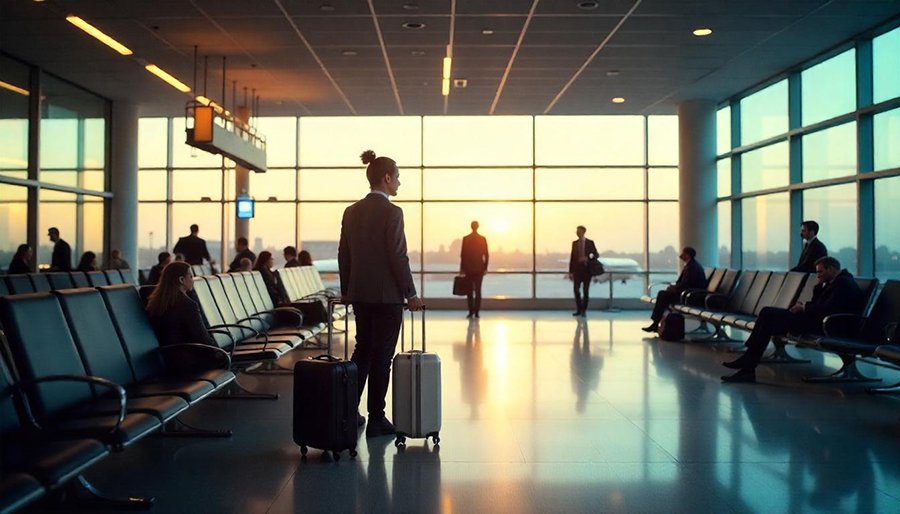
Photo: Travel and tour world
Boston Logan International Airport became one of the most disrupted aviation hubs in the United States on January 28, 2026, as 202 flights were cancelled and a further 271 delayed. The scale of disruption left thousands of passengers facing missed connections, long rebooking queues and extended waiting times, with ripple effects spreading across the East Coast, Midwest and Florida.
Logan was simultaneously the most affected origin and destination airport, amplifying network-wide congestion and complicating recovery efforts for airlines and passengers alike.
Airlines under operational strain
Regional carrier Republic Airways recorded the highest number of cancellations, with more than 80 flights grounded, highlighting the vulnerability of feeder routes during periods of operational stress. JetBlue and Delta Air Lines registered the highest delay volumes among major carriers, while American Airlines also saw widespread disruption across both short-haul and connecting services.
United Airlines, Spirit Airlines, Southwest Airlines, British Airways, TAP Air Portugal and Korean Air were also affected, underlining the broad impact across both domestic and international operators.
Ripple effects across major US hubs
The disruption at Boston Logan quickly spilled over to other key airports, including Washington Reagan National, New York LaGuardia, New York JFK, Chicago O’Hare, Miami International, Orlando International, Charlotte Douglas and Philadelphia International. Routes linking the Northeast with Florida and the Midwest were particularly affected, reflecting Boston’s role as a critical node in the US air network.
Passengers face cascading delays
With Boston acting as both a departure and arrival bottleneck, passengers experienced cascading delays well beyond New England. Even airlines with relatively small schedules at Logan reported high cancellation rates, intensifying passenger impact despite limited absolute flight numbers.
Conclusion
As International Investment experts note, the disruption in Boston illustrates how congestion at a single major hub can rapidly destabilize air travel across the United States. For airlines, the episode underscores ongoing challenges around network resilience and regional connectivity, while for passengers it reinforces the growing importance of flexibility, real-time information and contingency planning in US air travel.