







 Vietnam Mortgage Surge Pushes Homes Out of Reach
 Lithuanian Apartment Prices Accelerate Across Major Cities
 London Flats Lose Value Ahead of Leasehold Reform
 Construction of the Batumi–Sarpi Highway Begins in Georgia
 Baltic Property Investment Accelerates in 2026
 Hong Kong and Singapore Renew Their Expat Rivalry
World Cruises Reshape Travel in 2026
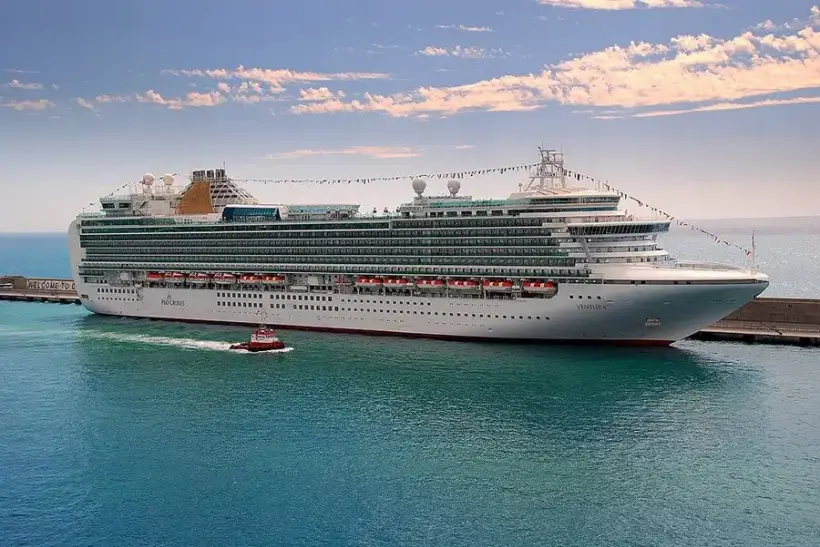
Travelers are opting for round-the-world itineraries
In 2026, long-haul world cruises are moving beyond being a luxury niche and becoming a force that reshapes the wider travel ecosystem. The strongest ripple effects are forming around Southampton, where major operators are anchoring early-2026 departures with multi-month itineraries. These sailings influence airline schedules, hotel demand patterns, and the way destinations monetize short but high-spend port calls.
Why 2026 looks like an inflection point
Demand is increasingly shifting toward “one grand itinerary” that bundles continents into a single purchase. That changes how travel is planned and sold: cruise itineraries begin to absorb part of the long-haul leisure market while generating new, highly structured demand for flights into embarkation ports, pre- and post-cruise hotel stays, transfers, and travel protection. Southampton stands out because it combines scale, connectivity, and a proven ability to process large embarkation peaks tied to fixed sailing dates.
Southampton’s role as a January 2026 launchpad
Cunard’s Queen Anne is scheduled to depart Southampton on 11 January 2026 for a 110-night full world voyage, returning in late April, reinforcing the “event travel” character of world cruising.
Cunard is also highlighting Queen Mary 2’s 2026 world voyage, which ends back in Southampton on 30 April 2026 and includes multiple ports with overnight stays, a format that typically drives higher onshore spending and deeper destination engagement.
P&O Cruises’ Arcadia is likewise positioned around a long “world cruise” departure from Southampton in early January 2026, adding to the concentration of passenger flows that spill over into local accommodation and transport services. Alongside this, Fred. Olsen’s 2026 program includes long-duration voyages marketed to travellers looking for extended itineraries, further supporting the broader “stay longer, travel fewer times” trend.
What it means for airlines
World cruises create a distinctive aviation demand profile. Passengers often arrive early to reduce missed-embarkation risk, while others may join or leave itineraries in different regions, requiring flexible long-haul connectivity and reliable baggage policies. The broader market trend is clear: cruise lines are expanding “entry points” to make global itineraries easier to access. MSC’s World Cruise 2026 on MSC Magnifica, for example, offers embarkation options across multiple Mediterranean ports, illustrating how cruise growth can stimulate air travel to port cities even when a world voyage does not start in Southampton.
Why hotels near ports are set to benefit
The economic engine for hotels is the “buffer stay.” A one- or two-night pre-cruise booking becomes standard for many long-haul cruise passengers, producing predictable spikes around embarkation and disembarkation windows. Properties that can operationalize early check-in, late check-out, luggage handling, and transfer coordination typically capture the highest conversion, turning what used to be a functional overnight into a higher-yield mini-break on land.
A multi-continent lift for destination economies
World cruise itineraries distribute spend across a wide arc of ports, with short calls often translating into concentrated demand for tours, dining, retail, and transport. Cunard’s emphasis on multiple overnight stays in major cities on the 2026 Queen Mary 2 itinerary is a good illustration of how cruise scheduling can extend economic impact beyond a single daytime visit.
cunard.com
As reported by International Investment experts, the 2026 wave of long-duration cruises is altering the balance between sea and air travel. Cruises may substitute parts of conventional long-haul itineraries, but they also generate sustained demand for feeder flights and port-city hotels. For investors and policymakers, the key 2026 question is whether port regions can scale mobility, accommodation, and visitor services fast enough to capture value without triggering infrastructure bottlenecks.