







 Vietnam Mortgage Surge Pushes Homes Out of Reach
 Lithuanian Apartment Prices Accelerate Across Major Cities
 London Flats Lose Value Ahead of Leasehold Reform
 Construction of the Batumi–Sarpi Highway Begins in Georgia
 Baltic Property Investment Accelerates in 2026
 Hong Kong and Singapore Renew Their Expat Rivalry
Brussels Redefines Tourism’s Strategic Role
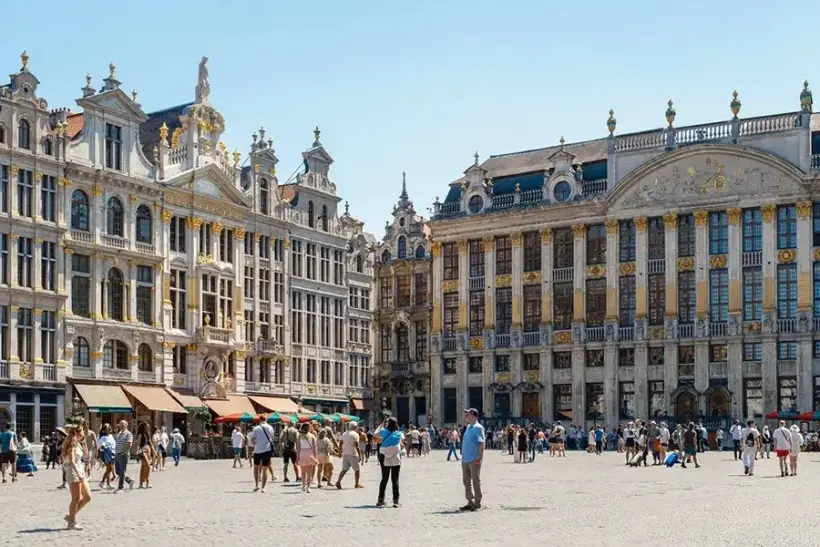
Tourism enters core public policy
Brussels has initiated a strategic shift by redefining tourism as a core component of Europe’s public and economic policy. Long treated as a secondary tool for enhancing attractiveness, tourism is now being placed on equal footing with sectors such as mobility, industry and energy. The move reflects growing recognition of tourism’s long-term importance for growth, competitiveness and territorial cohesion across the European Union.
This change signals a broader understanding that tourism is not a peripheral activity but a structural pillar of the European economy.
An economic heavyweight under pressure
Tourism accounts for more than 10% of Europe’s GDP and supports a vast network of jobs and services. While Europe remains the world’s leading tourist destination, its dominance is increasingly challenged by regions that are investing more aggressively in infrastructure, technology and coordinated strategies.
Rising global competition has exposed the limits of fragmented governance and highlighted the need for a more coherent European approach.
From fragmented efforts to coordination
The emerging European tourism strategy does not seek to standardize destinations or override national and local authorities. Instead, it aims to provide a unifying framework that aligns the sector’s many moving parts. For years, tourism policy has operated in silos, resulting in weak investment planning, territorial imbalances and inefficient allocation of resources.
The new focus shifts away from sheer visitor numbers toward sustainable organization, addressing mobility, infrastructure capacity, visitor experience and social acceptance.
Digital control and strategic autonomy
Digital platforms, algorithms and artificial intelligence are increasingly shaping travel decisions and service delivery. Europe’s ability to retain leadership in tourism will depend on its capacity to develop and control these technologies. This challenge extends beyond innovation and into the realm of economic sovereignty.
The gap between tourism’s economic weight and the level of investment in digital infrastructure is now seen as a strategic vulnerability that must be addressed.
Turning constraints into advantage
Europe operates within some of the world’s most demanding social, environmental and territorial frameworks. Managing resident-tourist balance, ESG standards, job quality and spatial impact is central to the sector’s future. In an unstable global environment, these constraints can become a competitive advantage if fully integrated into tourism policy.
Expert conclusion
As International Investment experts report, Brussels’ move marks a turning point in how Europe approaches tourism, transforming it from a cyclical activity into a long-term strategic industry. If backed by coherent regulation, funding and industrial policy, this shift could secure sustainable growth while preserving Europe’s social and environmental foundations.