







 Vietnam Mortgage Surge Pushes Homes Out of Reach
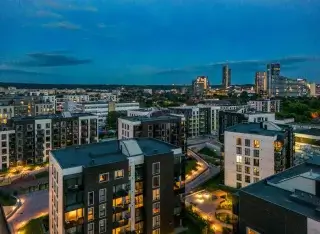 Lithuanian Apartment Prices Accelerate Across Major Cities
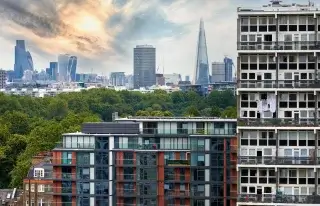 London Flats Lose Value Ahead of Leasehold Reform
 Construction of the Batumi–Sarpi Highway Begins in Georgia
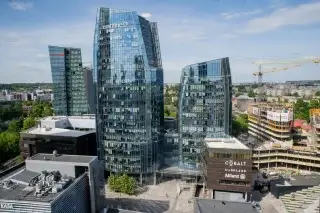 Baltic Property Investment Accelerates in 2026
 Hong Kong and Singapore Renew Their Expat Rivalry
U.S. Labor Market Cools as Hotels Adjust
Employment data reshapes economic outlook
The latest U.S. employment report points to a cooling labor market, with slower job creation and an unemployment rate reaching its highest level in several years. While nonfarm payrolls continue to grow, momentum has eased, signaling a transition away from the exceptionally tight labor conditions that characterized much of the post-pandemic recovery. For service industries, including hospitality, this shift sets a more balanced backdrop heading into 2026.
Hospitality employment shows relative resilience
Within leisure and hospitality, employment trends appear more stable than in many other sectors of the economy. Payroll levels have largely leveled off rather than declining, supported by steady travel demand and acceptable occupancy levels across many hotel markets. This stability marks a clear contrast with the acute labor shortages experienced in 2021 and 2022 and suggests improved hiring conditions for hotel operators.
A more balanced workforce environment
Hotel employers report a broader and more accessible applicant pool for frontline positions such as housekeeping, front desk and food and beverage. Improved recruitment conditions are reducing operational strain and allowing for more consistent staffing models. As a result, workforce management is shifting from crisis-driven hiring toward longer-term planning focused on efficiency and service quality.
Wage growth moderates but remains elevated
Although wage growth in leisure and hospitality has slowed, compensation levels remain structurally higher than before the pandemic. This reflects lasting changes in employee expectations and competitive dynamics within the sector. For owners and asset managers, easing wage pressure may support margins, but a full reversion to historical cost structures appears unlikely.
Implications for demand and 2026 strategy
Rising unemployment at the national level may translate into more cautious consumer behavior, potentially affecting discretionary leisure travel and group demand. In response, hotel companies are increasingly combining workforce optimization with technology adoption and cross-training initiatives to maintain service standards while controlling payroll costs.
As reported by International Investment experts, the cooling U.S. labor market marks a shift from labor scarcity to normalization for the hotel industry. Entering 2026, hotels are better positioned to manage staffing strategically, but success will depend on balancing improved hiring conditions against potential demand softness and persistently higher labor costs.