







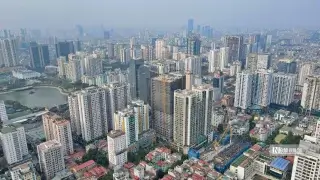
 Vietnam Mortgage Surge Pushes Homes Out of Reach
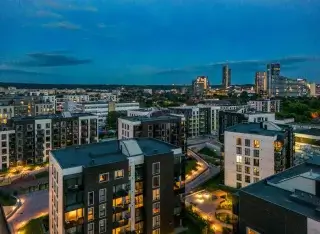 Lithuanian Apartment Prices Accelerate Across Major Cities
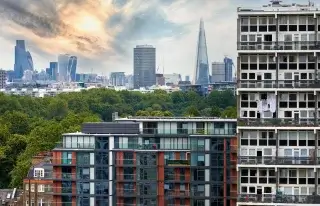 London Flats Lose Value Ahead of Leasehold Reform
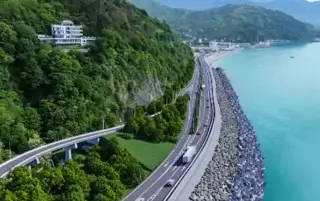 Construction of the Batumi–Sarpi Highway Begins in Georgia
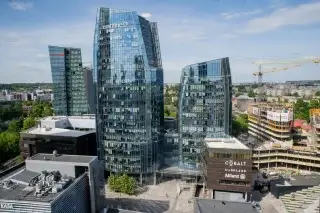 Baltic Property Investment Accelerates in 2026
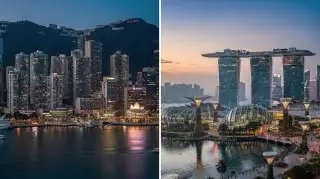 Hong Kong and Singapore Renew Their Expat Rivalry
Russia reshapes global tourism landscape
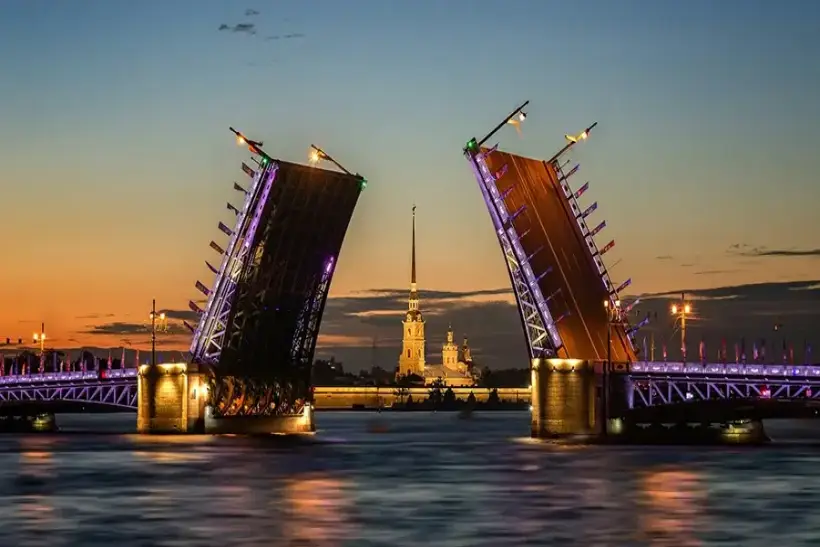
A rapid return to global travel relevance
Russia’s tourism sector is undergoing a profound transformation, re-emerging as one of the fastest-growing players in global travel. After years of geopolitical disruption, the country has not only recovered but repositioned itself as a competitive destination by reshaping demand, redirecting visitor flows, and redefining its tourism strategy around new markets and affordability.
Domestic strength fuels broader recovery
Domestic tourism has become the backbone of this resurgence. Moscow alone recorded more than 22.5 million domestic visitors in 2023, providing stable demand and supporting infrastructure development. At the same time, international arrivals have rebounded, surpassing 3 million in 2025, driven largely by travelers from the Gulf states, China, and India. This shift highlights Russia’s success in reducing reliance on Western source markets.
Strategic pivot toward Asia and the Middle East
Simplified visa regimes, including expanded e-visa programs, have significantly improved accessibility for non-Western travelers. Combined with sustained investment in airports, hotels, and regional connectivity, these measures underpin Russia’s ambition to raise tourism’s contribution to GDP to 10% by 2030. Competitive pricing and diverse offerings position the country as an attractive alternative amid rising global travel costs.
Challenging traditional tourism leaders
As Russia accelerates, established destinations face mounting pressure. The United States continues to attract large volumes but shows slower growth amid higher costs and tighter entry rules. Italy and France grapple with overcrowding and price sensitivity, while the United Kingdom faces economic uncertainty. China and India, meanwhile, increasingly serve as outbound markets for Russia, reinforcing its role within emerging travel corridors.
A new image for international travelers
Russia’s appeal now extends beyond its iconic cities. While Moscow and Saint Petersburg remain cultural anchors, destinations such as Lake Baikal and Siberia are gaining traction among travelers seeking distinctive, less congested experiences. This diversification strengthens Russia’s positioning as both a cultural and nature-driven destination.
Outlook and long-term challenges
Sustaining momentum will require continued investment in service quality, transport networks, and international engagement. Although domestic tourism remains a stabilizing force, further expansion into Western markets depends on broader political and regulatory developments. Nonetheless, current trends suggest that Russia’s tourism growth reflects a durable shift rather than a temporary rebound.
As reported by experts at International Investment, Russia’s tourism surge signals a wider realignment in global travel, where destinations that adapt quickly, diversify source markets, and deliver value-driven experiences gain a decisive competitive edge.