







 Turkey Is Losing Its Cheap-Holiday Advantage
 Development Is Rewriting Southeast Asia’s Historic Districts
 How Ukraine’s New-Build Housing Market Has Changed Over Four Years
 European Prime Rents Rise as Property Yields Turn Higher
 The Most Expensive Airlines in Europe in 2026
 Housing Prices in Italy Reach a Two-Year High
South Korea Extends Group Visa Waiver
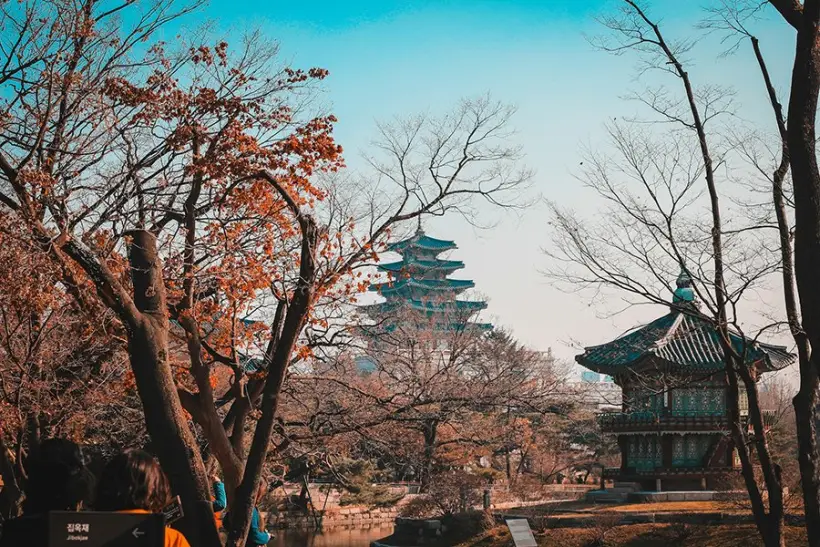
Visa fee exemption extended to June 2026
South Korea has decided to extend its visa processing fee exemption for short-term group tourists until June 30, 2026. The policy applies to holders of the C-3-2 group visa from India, China, Vietnam, the Philippines, Indonesia, and Cambodia. Previously, applicants were required to pay a processing fee of 18,000 won, approximately $12.46. The extension is designed to maintain the positive momentum of inbound tourism, which has been steadily recovering and expanding.
Why the waiver matters for travelers
Group travel often involves higher organisational and administrative costs, making visa fees a meaningful barrier for many tourists. Removing this expense lowers the overall cost of travel and makes South Korea more accessible to organised tour groups. This is particularly relevant for emerging Asian markets, where outbound tourism is growing rapidly but remains sensitive to price and procedural complexity.
Strategic focus on high-growth markets
The six countries included in the waiver represent some of the fastest-growing sources of international tourists in Asia. China remains one of South Korea’s most important inbound markets, with group travel playing a dominant role. India’s expanding middle class presents strong long-term potential, while Southeast Asian countries such as Vietnam, Indonesia, and the Philippines continue to record rising international travel demand. The extended waiver strengthens South Korea’s competitive position in attracting these travelers.
Impact on the global travel industry
For tour operators and travel agencies, the continued exemption simplifies trip planning and reduces package prices. In the post-pandemic recovery phase, cost reductions are a key driver of demand. Easier access for group tours is expected to increase bookings, stimulate tourism spending, and support businesses across accommodation, transport, and cultural attractions.
Economic and cultural benefits
An increase in group tourism brings significant economic benefits to South Korea. Higher visitor numbers support the hospitality sector and generate employment, while also promoting the country’s cultural assets. International visitors are exposed to both Korea’s historical heritage and its modern cultural exports, enhancing the country’s global image and soft power.
A long-term tourism strategy
By extending the visa fee waiver, South Korea signals a long-term commitment to inclusive and sustainable tourism growth. Reducing financial and administrative barriers for travelers from emerging economies helps secure stable tourism flows and strengthens regional ties. The policy reinforces South Korea’s standing as one of Asia’s most accessible and competitive travel destinations.
As International Investment experts report, South Korea’s decision to prolong the group visa fee waiver demonstrates how targeted visa policies can effectively stimulate tourism demand while supporting broader economic recovery and long-term market positioning.