













Toronto Pearson Hit by Widespread Flight Disruptions
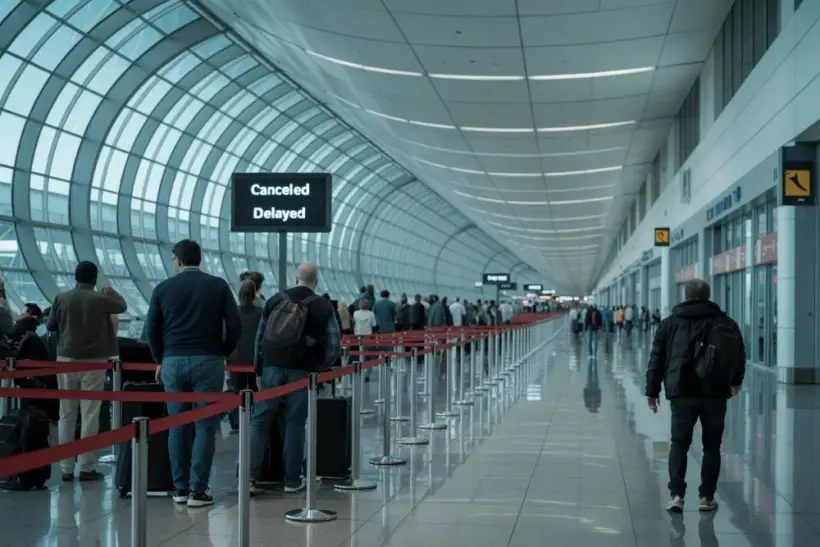
Major operational strain at Canada’s busiest airport
Toronto Pearson International Airport faced significant travel disruption on February 10, 2026, as operational challenges led to 21 flight cancellations and 187 delays over the course of the day. The disruptions affected both domestic and international routes, impacting travel between Canada, the United States, Mexico, Cuba, Hong Kong, and other global destinations.
As Canada’s largest aviation hub and a key North American transit point, even short-term irregularities at Toronto Pearson quickly escalate into broader network disruptions for connecting passengers.
Airlines and routes most affected by delays and cancellations
Major carriers including Air Canada, WestJet, United Airlines, Etihad Airways and several regional operators reported delays throughout the day. Air Canada accounted for a substantial share of the disruptions, particularly on routes to Vancouver, Ottawa, Chicago and multiple leisure destinations in the Caribbean.
Flights originating from Vancouver, Edmonton, Winnipeg, Orlando, Fort Lauderdale and Chicago were among those affected, while outbound services to Cuba, including Jardines del Rey and Varadero, also saw cancellations. On certain routes, the share of cancelled flights reached more than one third of scheduled operations, significantly complicating passenger connections.
Operational factors behind the disruption
Airport and airline sources pointed to a combination of winter weather conditions, technical constraints and heavy air traffic congestion. Toronto Pearson typically operates at high capacity during peak seasons, and even minor scheduling disruptions can cascade across domestic and international networks, including long-haul transit between North America and Asia.
Strong demand for US-bound and Caribbean routes further intensified pressure on ground handling, security screening and aircraft turnaround times.
Impact on passengers and the local tourism economy
The disruptions resulted in crowded terminals, extended waiting times and missed connections for thousands of passengers. Business travelers faced the risk of delayed meetings, while leisure travelers encountered lost bookings and altered itineraries.
Tourism industry analysts note that disruptions at a major hub like Toronto Pearson can quickly affect hotels, ground transportation providers and service businesses across the Greater Toronto Area, particularly during periods of elevated travel demand.
What to expect next
Airlines continue to adjust schedules and reassign aircraft and crews, while passengers are advised to monitor flight status updates and consult carriers regarding rebooking and compensation options. The ripple effects of today’s disruptions are expected to influence flight operations throughout the day.
As experts at International Investment report, the situation at Toronto Pearson highlights how even well-developed aviation hubs remain vulnerable to combined operational and external pressures. For investors in aviation, tourism and transport infrastructure, the episode underscores the importance of resilience, digital traffic management and route diversification in an era of growing global mobility.