












War Spreads Beyond the Middle East: Strike on Europe
Drones Attack British Base in Cyprus
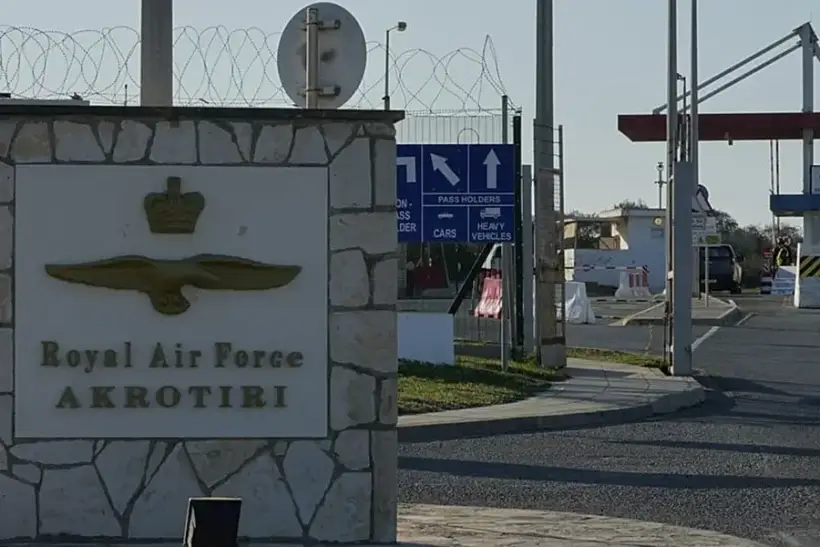
The RAF Akrotiri base in Cyprus was targeted by drones overnight on March 2. There were no casualties, and the damage was limited. This is the first instance of European military infrastructure being hit in the Middle East conflict. The strike followed US and Israeli attacks on Iran, which killed Ayatollah Ali Khamenei, Euronews reports.
What Europe Will Do
The incident occurred shortly after UK Prime Minister Keir Starmer allowed the US to use British bases for strikes on Iranian missile installations, while the country itself does not participate in direct attacks. Government spokesperson Konstantinos Letimbiotis said the drone caused only limited damage. This was the first attack on the base since 1986, marking a notable escalation of the conflict.
Leaders of France, Germany, and the United Kingdom condemned Iran's strikes on neighboring countries and warned of the possibility of “necessary and proportionate defensive actions against Iranian missiles and drones.”
Escalation of the Conflict in the UAE
From February 28 to March 2, 2026, the UAE experienced waves of missile and drone attacks from Iran, causing major disruptions to aviation, tourism, and financial markets. The Ministry of Defense confirmed that many missiles were intercepted, but debris fell into residential and commercial areas. Several people were injured, and one person died.
A missile was shot down over the Atlantis The Royal hotel on the artificial Palm Jumeirah island — debris pierced the roof of Fairmont The Palm’s veranda, starting a fire. UAV fragments also hit the famous Burj Al Arab hotel — the building suffered minor damage, no casualties were reported. In Sharjah, a downed drone fell onto a shopping center. Dubai Airport burned for several hours, and passengers were evacuated. A missile hit Abu Dhabi port near the cruise ship Mein Schiff 4, which was delayed in Zayed Port due to the Iran conflict, carrying around 3,500 people.
On March 2, eyewitnesses reported new falls of drone and missile debris on residential and tourist areas. According to SHOT, powerful explosions were heard near the Khalidiya Palace Rayhaan hotel in Abu Dhabi, as well as in Business Bay and on Palm Jumeirah island in Dubai. TASS reported explosions in the Al Hamra Village residential area in Ras Al Khaimah — northern UAE. According to the latest information, a drone exploded between two buildings. No casualty data has been reported yet.
Air traffic has almost ceased. Russians are trying to leave via the land border to Oman. Tickets from Muscat to Moscow have skyrocketed, reaching up to $20,000.
Continuation of the War: Israel and Kuwait
Iran carried out a ninth wave of attacks on Israel and US bases in the region. Explosions were recorded in Dubai, Doha, and Bahrain. Drones struck Erbil Airport in northern Iraq, where a US base is located, reports The Wall Street Journal.
Hezbollah attacked northern Israel, and in response, the IDF struck Lebanon on March 2, targeting the group’s headquarters and infrastructure. Tehran launched a new series of missiles at Jerusalem and Tel Aviv. Attacks on other cities were also recorded. Israeli forces stated they are prepared for a multi-front operation to ensure national security.
In Kuwait, a US F-15 fighter jet crashed, but the pilot survived. Three US service members died at a base in the country. Since the start of the operation, US forces have hit more than 1,000 targets using over 20 types of weapons, including B-2 Spirit strategic bombers.
The Islamic Revolutionary Guard Corps stated that three US and UK oil tankers were attacked in the Persian Gulf and Strait of Hormuz. According to shipping data, hundreds of vessels, including oil and gas tankers, anchored in nearby waters. Traders expect a sharp spike in crude oil prices.
Economic Consequences of the Middle East War
Analysts at International Investment note that military actions in the Middle East have caused serious disruptions to the region’s transport, logistics, and financial infrastructure. Air traffic is suspended, major airports are closed, more than 700 flights were canceled, and tens of thousands of tourists were stranded.
The Abu Dhabi and Dubai stock markets were closed on March 2–3, and regional indices in Saudi Arabia and Egypt fell by more than 2%. Jebel Ali port temporarily halted operations, and Japan’s largest LNG buyer, Jera, evacuated staff.
Premium real estate was affected by falling drone and missile debris, including Fairmont The Palm and Burj Al Arab, reducing investor interest. Oil markets reacted with higher insurance and risk premiums, restricted supplies through the Strait of Hormuz, and increased caution from shipowners. Brent crude reached $82 per barrel before correcting to $79, and Asian airline stocks dropped more than 5%.
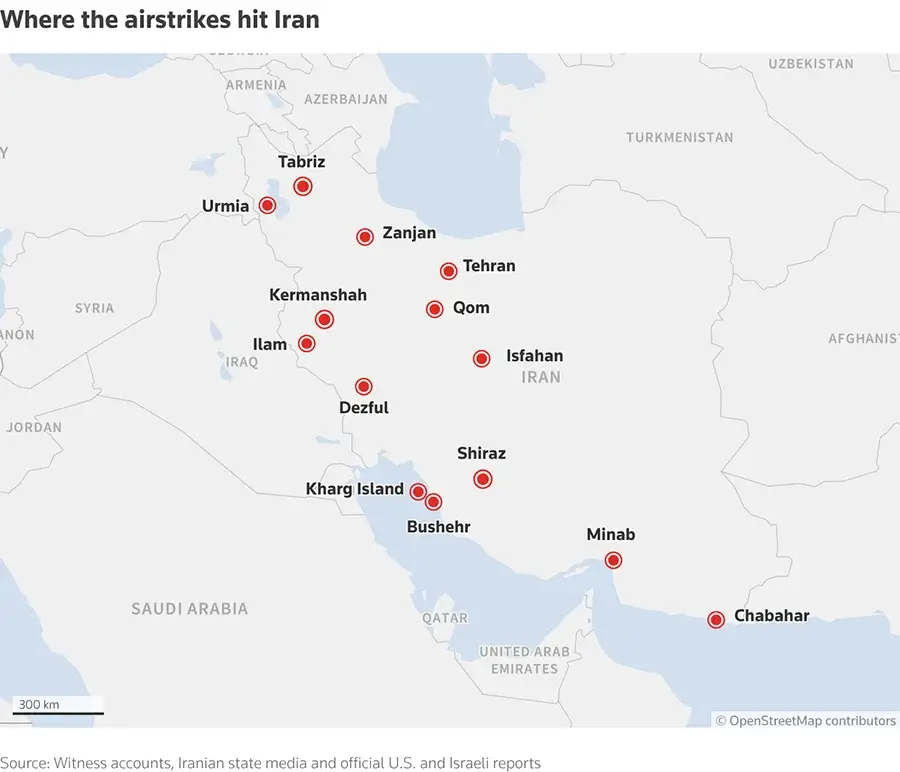
Iran’s new authorities refuse to negotiate with the US, making the situation unpredictable and prolonging the conflict. The expansion of hostilities beyond the region, including strikes on Cyprus, increases threats for Europe as well. Further developments and the recovery of economic activity depend on the decisions of the US and Persian Gulf countries, as well as measures to stabilize transport and finance.