







 Vietnam Mortgage Surge Pushes Homes Out of Reach
 Lithuanian Apartment Prices Accelerate Across Major Cities
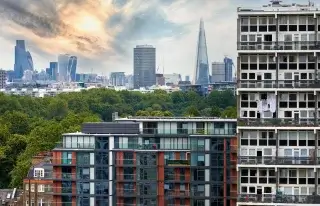 London Flats Lose Value Ahead of Leasehold Reform
 Construction of the Batumi–Sarpi Highway Begins in Georgia
 Baltic Property Investment Accelerates in 2026
 Hong Kong and Singapore Renew Their Expat Rivalry
Long Weekends 2026 Boost Travel Plans

Why 2026 feels like a travel-heavy year
Sometimes the calendar does more for travel than any loyalty program. When public holidays fall next to weekends, trips become easier to plan, easier to justify, and far less demanding on annual leave. That is the core promise behind the long-weekend narrative for 2026: more frequent breaks, more flexible timing, and more chances to travel without sacrificing a full vacation budget in days off. Instead of relying on one major trip, many travelers can spread time away across the year, keeping a stronger work-life rhythm while still collecting meaningful experiences.
January sets the tone with an effortless three-day break
The year opens with a clear early opportunity as Republic Day on January 26 falls on a Monday, creating a natural three-day weekend. This kind of break is powerful precisely because it is simple. It supports quick getaways, low-stress rest, and easy short-haul planning, and it often triggers early-year demand for nearby destinations where travelers can recharge without complicated logistics.
February and March create a dense cluster of travel windows
A key advantage highlighted for 2026 is the frequency of holiday-to-weekend alignments. The late-February to early-March window tied to Holi is framed as a longer break with minimal leave usage, offering time for cultural travel, celebrations, or a well-timed escape. The same month also brings a long weekend connected to Eid al-Fitr, reinforcing a pattern that makes spring feel unusually travel-friendly. These dates naturally support both festival-focused trips and restorative breaks, depending on the traveler’s style and priorities.
Late March turns minimal leave into a real mini-vacation
Late March stands out for its potential to stretch time off, with the text referencing Ram Navami and Mahavir Jayanti as anchors that can expand a short break into a longer travel window. This is where long-weekend planning becomes a true strategy: a small number of leave days can unlock a trip that feels closer to a compact vacation. In practice, such windows often favor domestic routes and short-haul travel where the time-to-experience ratio is strongest.
Spring and early summer encourage short escapes before peak season
The calendar then offers additional breathing space through early April around Good Friday, followed by a May long weekend tied to Buddha Purnima, and a late-June break associated with Muharram. These moments typically support short, refreshing escapes before the more crowded summer season. For many travelers, this translates into two- or three-night stays, wellness weekends, and destination choices that prioritize ease and quick recovery over long-distance complexity.
The second half of the year intensifies the long-weekend effect
From mid-year onward, the long-weekend rhythm becomes a planning backbone. July’s window tied to Rath Yatra, August’s extended break connected to Onam and Raksha Bandhan, and the autumn opportunities around Janmashtami, Ganesh Chaturthi, Gandhi Jayanti, and Dussehra combine to create repeatable “mini-holidays.” This pattern supports both cultural exploration and relaxed retreats, offering travelers multiple chances to travel without needing large leave allocations.
Year-end holidays lock in the final travel surge
The closing months reinforce the idea that 2026 is built for travel. With holiday windows linked to Diwali and Guru Nanak Jayanti, followed by Christmas and the New Year stretch, the calendar creates prime conditions for longer-distance trips, family reunions, and celebratory travel. For the industry, these periods often drive high demand, especially for weekend-centric packages and short international routes.
How long weekends reshape the travel industry
When long weekends appear repeatedly, market behavior shifts. Airlines typically see stronger demand for domestic and short-haul flights. Hotels and resorts experience weekend booking spikes. Tour operators respond by building curated packages designed specifically for three-to-five-day breaks. At the same time, the staycation trend strengthens as travelers take more frequent nearby escapes, supporting local economies and distributing tourism demand beyond a single peak season.
Planning becomes the winning strategy in 2026
The paradox of a long-weekend year is that ease creates competition. The most convenient dates are often the first to sell out and the fastest to inflate in price. That is why early planning becomes essential in 2026: booking ahead protects budgets, reduces stress, and helps travelers actually benefit from the calendar advantage rather than paying for it later.
As International Investment experts report, long-weekend alignment in 2026 acts as a demand multiplier for short breaks, increasing travel frequency, strengthening weekend-based hospitality revenue, and rewarding destinations that can deliver high-value experiences within a three-to-five-day timeframe.