







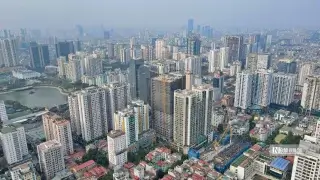
 Vietnam Mortgage Surge Pushes Homes Out of Reach
 Lithuanian Apartment Prices Accelerate Across Major Cities
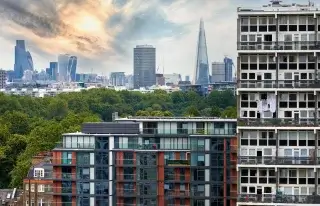 London Flats Lose Value Ahead of Leasehold Reform
 Construction of the Batumi–Sarpi Highway Begins in Georgia
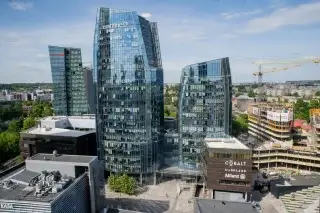 Baltic Property Investment Accelerates in 2026
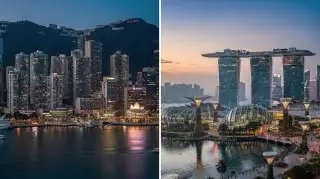 Hong Kong and Singapore Renew Their Expat Rivalry
Middle East Conflict Disrupts Gulf Travel During Eid
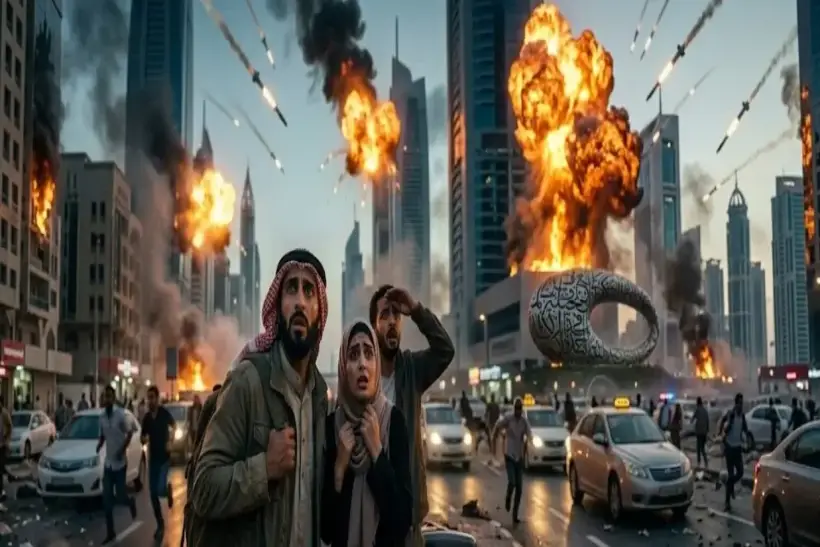
Rising security tensions across GCC countries
Eid al-Fitr celebrations in 2026 across the Gulf Cooperation Council region have been overshadowed by escalating regional tensions and security concerns. Missile threats, drone attacks and embassy security alerts have disrupted travel and daily life in Saudi Arabia, the United Arab Emirates, Qatar, Kuwait, Bahrain and Oman.
Governments and foreign diplomatic missions issued multiple safety advisories urging residents and visitors to remain cautious. The United States and the United Kingdom advised their citizens to avoid military facilities, energy infrastructure and major public gathering areas while monitoring official announcements.
In several cases diplomatic staff and family members were authorized to depart the region as a precautionary measure.
Saudi Arabia faces missile and drone security threats
Saudi Arabia experienced significant disruptions as missile and drone threats increased during the period leading up to Eid. Authorities warned residents and travelers about the possibility of attacks targeting infrastructure and public areas.
Security advisories encouraged people to remain indoors during alerts and avoid large gatherings. Particular attention was given to crowded public spaces including mosques, markets and transportation hubs, which traditionally host large Eid celebrations.
Evacuations and travel warnings in the United Arab Emirates
The United Arab Emirates also experienced heightened security concerns. Some diplomatic missions withdrew family members and reduced staffing levels amid escalating tensions.
Travel advisories urged residents and tourists to avoid military bases, energy facilities and strategic infrastructure. Disruptions to aviation also reduced the availability of commercial flights, complicating travel plans across the region.
Flight cancellations and reliance on land routes
Across several Gulf countries commercial aviation experienced temporary suspensions or major disruptions. In some cases airports reduced operations or halted flights for security reasons.
As a result many travelers relied on land routes through neighboring states to leave affected areas. Crossing borders through Saudi Arabia became one of the main alternatives for travelers attempting to exit the region.
Bahrain and Qatar increase security measures
Authorities in Bahrain advised residents to avoid large public gatherings during the Eid holiday due to potential security threats. Public celebrations were reduced or postponed to minimize risks.
In Qatar officials issued guidance encouraging residents to shelter indoors during alerts and follow announcements from security authorities. People were advised to keep essential supplies and identification documents readily available in case of emergencies.
Kuwait faces aviation shutdown and isolation
Kuwait faced one of the most significant disruptions after air travel was temporarily halted. With limited flight options available, some residents considered overland travel through Saudi Arabia as an alternative exit route.
Authorities and embassies advised citizens to prepare documentation, monitor official communications and remain ready for rapidly changing travel conditions.
Oman protects ports and strategic infrastructure
In Oman security warnings focused on major ports and coastal infrastructure. Areas including Duqm and Salalah experienced heightened monitoring due to concerns about drone or missile activity.
Authorities also restricted access to certain coastal areas and islands as a precaution. These measures were designed to protect critical energy and maritime infrastructure from potential threats.
Economic implications for the Gulf region
Travel disruptions and heightened security measures also carry economic consequences for the region. Gulf states are key players in global energy markets and major international aviation hubs.
Any threat to energy infrastructure or transportation networks raises concerns across global markets. Governments in the GCC strengthened protection around oil facilities, terminals and pipelines to reduce risks to supply chains.
Social impact as Eid celebrations change
The conflict also had a strong psychological and social impact on communities across the Gulf. Security alerts, sirens and warnings about missile attacks changed the atmosphere of what is usually one of the most festive periods of the year.
Family gatherings and communal prayers were reduced in many areas. In some communities celebrations moved online while neighbors supported each other through local initiatives and assistance programs.
International diplomacy and calls for de-escalation
International partners of GCC countries have called for de-escalation and adherence to international law. Joint diplomatic statements stressed the right of countries to defend themselves while encouraging efforts to reduce tensions in the region.
At the same time the situation highlights how geopolitical instability can quickly affect transportation, economic activity and the daily lives of millions of people.
Amid geopolitical uncertainty in the Middle East, investors increasingly look toward emerging markets with stronger growth potential. Georgia is one such destination where economic development, tourism expansion and real estate investment continue to accelerate. Cities such as Tbilisi and Batumi are attracting international investors due to business-friendly policies, improving infrastructure and growing demand.
As International Investment experts note, geopolitical crises in the Middle East often redirect global investment flows. In periods of regional instability investors tend to diversify geographically, and Georgia continues to demonstrate strong economic growth, infrastructure development and rising international investor interest.