













EES System Flags 4,000 Visa Overstayers in Four Months
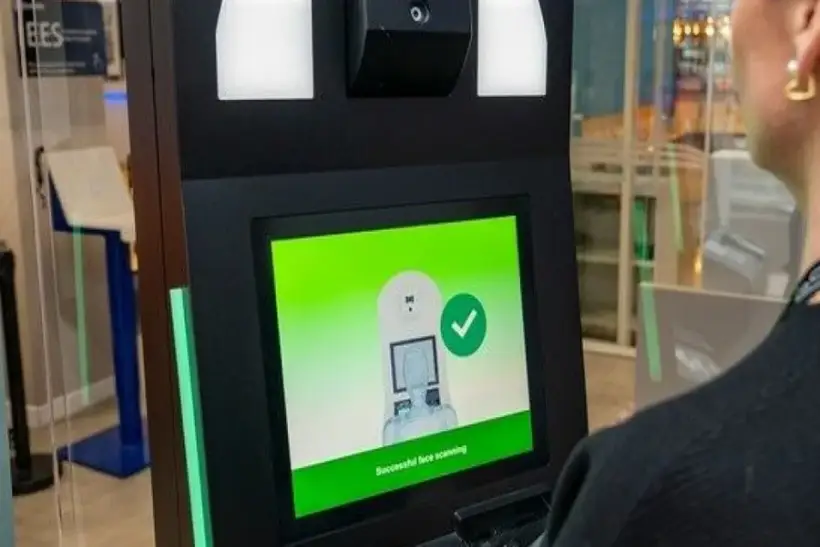
The European Union’s new border system, the Entry/Exit System (EES), which has been operating in a phased rollout since October 2025, has already recorded more than 4,000 cases of travelers exceeding their allowed stay in the Schengen Area. This result comes after processing data from 17 million travelers and 30 million border crossings.
How the EES Works and Rollout Stages
EES is designed to replace traditional passport stamping for third-country nationals, including citizens of the UK and the US, with digital registration using biometric data such as fingerprints and facial scans. The system automatically records entry and exit times, allowing authorities to quickly identify overstayers. Under the rules, the total stay in Schengen cannot exceed 90 days within any 180-day period.
The official launch of EES took place on October 12, 2025, but full implementation is gradual to minimize risks for transport hubs. Key stages in 2026 include:
-
January 9 – mandatory registration for at least 35% of third-country travelers;
-
March 10 – coverage increased to 50% of all border crossers;
-
April 10 – expected full registration at 100%, after which passport stamps will be fully discontinued.
Challenges in Implementing the Entry-Exit System
Technical deployment of EES has faced difficulties. In Prague, fingerprint and photo kiosks failed during the first days, forcing staff to process passengers manually. Queues stretched to over 90 minutes. In Brussels, delays reached up to three hours, requiring additional staff and changes to airport navigation.
Passengers were poorly informed: 68% expected standard passport control, which led to document errors, confusion with the biometric process, and repeated attempts at kiosks. Average processing times increased by 340%.
Fragmented implementation further worsened the situation: full deployment occurred only in Estonia, Luxembourg, and the Czech Republic. In other countries, EES operated partially, while major hubs such as Amsterdam, Paris, and Rome postponed full rollout.
Airport ground services reported passenger processing times increased by up to 70% during peak periods. At Paris Charles de Gaulle Airport, self-service kiosks malfunctioned and software issues, combined with staff shortages, caused long queues. In Lisbon, authorities temporarily reverted to manual passport checks due to overcrowding caused by the biometric terminals.
Despite these local challenges, Tillmann Keber, Executive Director of eu-LISA, the EU agency responsible for the EES IT system, noted that overall, the central-level rollout went “very smoothly,” and the system is stabilized and functioning normally.
Violations and Penalties
Over the past months, EES has checked 17 million travelers and 30 million border crossings. There have been 4,000 cases of exceeding the allowed stay in the Schengen Area, which often led to entry refusals, explained European Commission official Henrik Nielsen. The total number of travelers denied entry reached 16,000.
Violating the 90/180-day rule results in penalties that vary by country. In France, for example, the fine for overstaying is €198. In addition to financial penalties, violations are recorded in the EES database, which may negatively affect future visa applications or result in temporary entry bans.
The system does not apply to EU citizens or holders of long-term visas and residence permits, although they may still face delays at the border due to increased processing times for other travelers.
In exceptional cases, such as serious illness or other force majeure circumstances, authorities may allow deviations from the rules, but these are assessed individually.
Conclusions
International Investment analysts note that the first four months of EES operation demonstrate the EU’s commitment to automating border control and combating illegal migration through tourism. Technical issues persist locally, and some countries have proposed delaying full implementation, but the system is expected to reach 100% coverage eventually.
Overstayers will likely face legal consequences, making unauthorized stays in the Schengen Area impossible. Travelers from visa-free countries are advised to carefully track the number of days spent in Europe to avoid fines and complications with future trips.