








Middle East War Tightens Restrictions in the UAE: Foreigners Arrested

Abu Dhabi detains 109 people for filming Iranian attacks
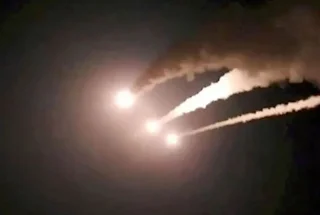
The number of arrests in the UAE for filming attacks by Iranian drones and missiles continues to rise, including among tourists. By March 20, Abu Dhabi had already detained 109 people of various nationalities, according to Gulf News. Authorities say that videos and photos can “stir public opinion.” Those detained are accused of spreading false information.
Reasons for the Arrests in the UAE
Police officials emphasize that publishing unverified content violates UAE law and can negatively affect public safety and the progress of official procedures. “Such behavior violates existing laws, threatens community safety, and interferes with official procedures,” Abu Dhabi law enforcement stated.
Violations are prevented through monitoring of social media, effectively creating total control over online content. Filming missile and drone attacks is classified as misinformation.
Authorities advise citizens and visitors to rely only on official sources, refrain from filming or publishing materials from incident sites, and comply with cybersecurity laws to avoid endangering public safety and national interests.
Arrests Across the Country
Last week, Abu Dhabi’s Investigation Department detained 45 people for filming locations. Over the weekend, another 35 were arrested by the UAE Attorney-General for publishing videos and photos related to Iranian aggression. Additionally, 10 people received arrest warrants from Attorney-General Dr. Hamad Saif Al Shamsi for publishing false and AI-generated clips.
The total number of people detained in recent days reached 109, highlighting the strict enforcement of cybercrime and information dissemination laws in the UAE.
Previously, more than 20 foreign nationals were detained in Dubai for filming missile strikes and sharing these materials on social media. Cases were also handled under UAE cybercrime legislation regulating the dissemination of information affecting public safety. Lawyers note that the wording of charges remains vague.
Penalties can be severe: fines from 20,000 to 200,000 dirhams (approximately $5,500–$54,500), imprisonment up to two years, and possible deportation.
Official Narratives on the War in the UAE
Ban on Social Media Posts
Authorities have sharply increased control over social media publications. In the early days of the conflict, there were many such posts, but a significant portion of the content later disappeared. The turning point came with official warnings: on March 6, UAE Attorney-General Hamad Saif Al Shamsi stated that it is prohibited to photograph, publish, or distribute images and videos from missile impact sites and debris, as well as to disseminate inaccurate digital information, since such materials can cause panic and threaten public safety.
Successful Interception of Attacks
At the same time, authorities and official media promote the line that the population should rely solely on state-verified information. According to the official version, sounds over the country are related to the interception of incoming missiles and drones, and the risk to the population is primarily associated with falling debris after successful air defense operations. Any user-generated posts that deviate from the official account are considered violations.
Reputation Above All
The UAE has recorded attacks affecting hotels, shopping and financial centers, and airports. The war has already prompted many expatriates and tourists to leave, and international banks have moved employees to remote work. Nevertheless, UAE authorities aim to maintain the country’s reputation as safe.
The sensitivity of the issue is heightened by demographics: the expatriate community outnumbers citizens, and the total population of the country was estimated at 11.29 million in 2024. The UAE economy relies heavily on the trust of foreign professionals, investors, tourists, and tenants, so any deterioration in perceived safety directly affects real estate, rentals, hotel occupancy, and international traffic.
Regional context shows that the UAE is not an exception. In Qatar, the Ministry of Interior detained 313 people for spreading unauthorized content, while in Kuwait authorities warned against posting about the war and military operations that could incite panic.
Experts from International Investment note that the current crisis is a test of the resilience of a model in which international capital, tourism, and the real estate market depend on the perception of absolute safety. The stricter the state controls the public narrative, the more important it is for investors to distinguish between the official image and the actual level of risk.