







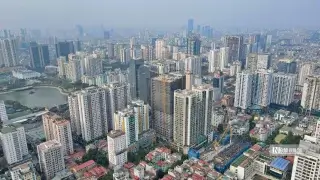
 Vietnam Mortgage Surge Pushes Homes Out of Reach
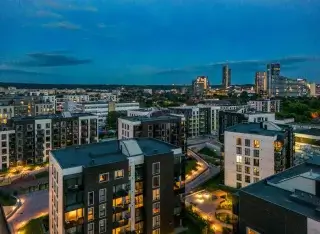 Lithuanian Apartment Prices Accelerate Across Major Cities
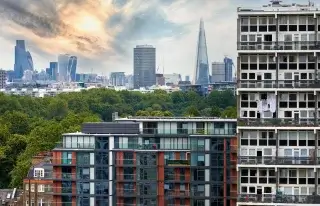 London Flats Lose Value Ahead of Leasehold Reform
 Construction of the Batumi–Sarpi Highway Begins in Georgia
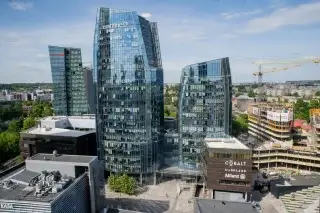 Baltic Property Investment Accelerates in 2026
 Hong Kong and Singapore Renew Their Expat Rivalry
Fraudsters in Russia target tourists

ТАСС
Russia has seen a rise in мошеннические schemes targeting tourists, offering travel packages and hotel deals at attractive prices or threatening criminal charges. Scammers are increasingly shifting from mass messaging to personalized outreach via messengers, often appearing highly convincing.
“Last-minute tours”
Deputy Chairman of the Council for Digital Economy Development at the Federation Council, Artyom Sheikin, told TASS that fraudsters have begun активно offering tourists so-called “last-minute tours.”
Victims typically receive a message from a “travel manager” or are directed to a website that closely resembles a major tour operator’s platform. They are told that only a limited number of spots remain and are urged to make an immediate booking decision, including paying a deposit. After the transaction, all communication ceases.
Traditional offline fraud schemes also persist. Tourists may encounter unscrupulous intermediaries offering “ выгодное” accommodation or services that ultimately turn out to be unavailable or require additional payments. Problems can also arise after booking if the посредник stops responding before departure.
Fake hotel websites
One of the most widespread fraud schemes in tourism remains the creation of fake hotel websites, said Aleksan Mkrtchyan, vice president of the Alliance of Travel Agencies. According to him, such schemes account for up to 90% of all fraud cases in travel bookings.
Fake websites visually replicate official hotel pages. Tourists are attracted by lower prices, proceed to book a room, and transfer money. Upon arrival, however, they discover that no reservation exists and no one is expecting them.
Mkrtchyan explained that fraudsters make minimal changes to website addresses that are difficult to detect, such as adding underscores or hyphens. As a result, users interact with a fake resource without realizing it.
Messages from “investigators”
According to Izvestia, scammers also contact tourists via messengers after they return from trips. They pose as government officials and claim that during their поездка individuals allegedly interacted with organizations banned in Russia. Victims are told they face criminal liability or bank account freezes but can “resolve the situation.”
Fraudsters then ask for money transfers to a so-called “secure account” or urge victims to install a special application via a provided link.
The Main Directorate of the Ministry of Internal Affairs for St. Petersburg and the Leningrad Region emphasized that government agencies never request money transfers or the installation of third-party applications during phone or online communications.
Recommendations for tourists
Experts note that these schemes rely on similar tactics, primarily low prices and pressure to make immediate decisions. In scenarios involving supposed officials, the pressure is based on threats and fear of legal consequences.
Travelers are advised to verify information sources and booking website addresses, and to be cautious of unusually low prices. They should avoid transferring money to unknown accounts and refrain from making rushed decisions, as these often lead to financial losses.
Law enforcement authorities reiterate that government bodies do not request money transfers or suggest installing external applications. If such messages are received, individuals should immediately cease communication and block the contact.