







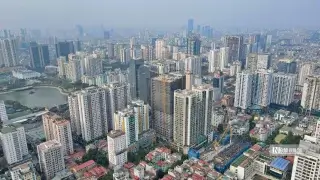
 Vietnam Mortgage Surge Pushes Homes Out of Reach
 Lithuanian Apartment Prices Accelerate Across Major Cities
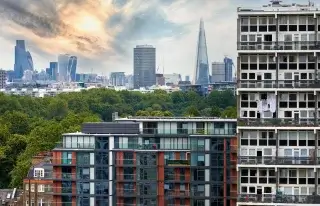 London Flats Lose Value Ahead of Leasehold Reform
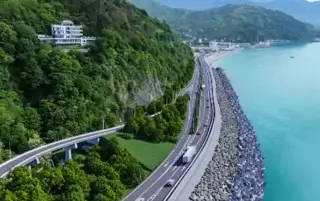 Construction of the Batumi–Sarpi Highway Begins in Georgia
 Baltic Property Investment Accelerates in 2026
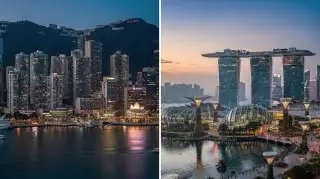 Hong Kong and Singapore Renew Their Expat Rivalry
Travel demand declines amid Iran war
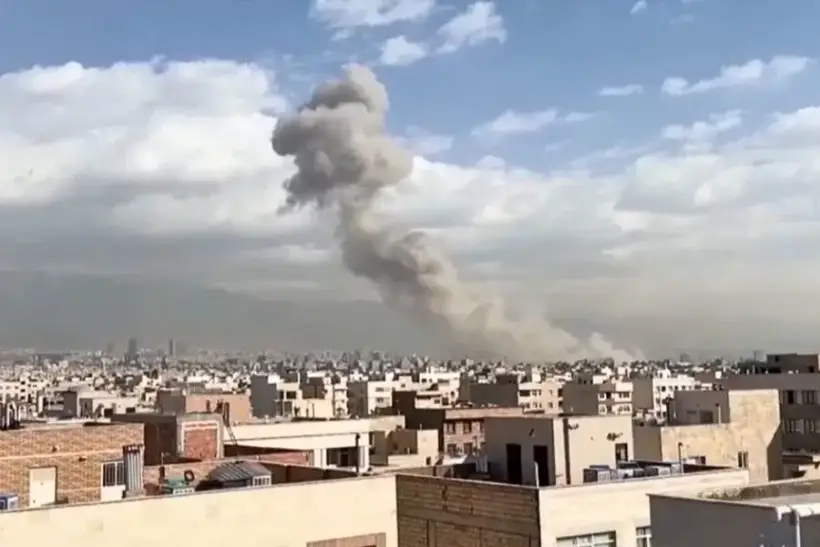
Tourism industry reports drop in enquiries and wave of cancellations
The global tourism market has reacted to the war with Iran with a sharp decline in demand. A new survey by Responsible Travel shows that most companies worldwide have already experienced a drop in travel enquiries, an increase in cancellations, and no clear signs of recovery.
Scale of the decline: nearly 80% of companies losing enquiries
The Responsible Travel network brings together more than 450 tourism companies worldwide, including many small operators, making its data representative of the industry as a whole. The survey, conducted among 112 travel companies, indicates a noticeable cooling of the market. A total of 79.5% of respondents reported a decline in holiday enquiries. More than half — 59.3% — said the drop was at least 20%. At the same time, 56% of companies stated they see no signs of demand recovery.
The decline in travel interest is global but unevenly distributed. All companies operating tours in the Middle East reported a decrease in enquiries of at least 20%. In Asia, a similar trend was observed among 68% of operators, and in Europe among 52%.
Some respondents reported severe disruptions to bookings. Cancellation rates reached as high as 90% for some, while others noted a complete absence of new bookings since the start of the conflict.
Travel flows shift to safer regions
Companies point to the risks of long-term geopolitical instability. This involves not only falling demand but also rising operational costs, which increase pressure on businesses. Small and independent tour operators, as well as local communities dependent on tourism, are particularly vulnerable.
At the same time, some market participants believe recovery may be possible within the coming weeks. Expectations are primarily linked to regions less affected by the conflict, where travel flows may be redirected. Among such destinations, Georgia stands out as a safe territory with developed infrastructure and an abundance of historical and natural attractions. The number of visitors to the country is growing rapidly, reaching record levels and positively impacting the hospitality sector and the broader economy.
The country’s airports continue to operate as usual, and tourism infrastructure remains fully open to visitors. Georgia is traditionally positioned as one of the safest destinations in Eastern Europe and the South Caucasus, a status supported by international rankings. In recent years, Tbilisi, Batumi, and Kutaisi have become key tourist hubs for travelers from Europe, the Middle East, and Asia.
Georgia’s stability is also strengthening interest from foreign investors. The real estate market, hotel projects, and infrastructure remain attractive due to relatively low barriers to investment and a favorable business environment.
Outlook for the tourism industry
Customer Director Tim Williamson emphasized that the consequences of the conflict go far beyond the tourism industry: the human cost cannot be measured, and the announcement of a ceasefire was a positive signal. At the same time, the drop in tourist numbers and rising costs hit small businesses and tourism-dependent communities the hardest. He noted that companies are already feeling serious impacts and are concerned about their future income. A lasting ceasefire and the return of stability remain key conditions for market recovery.
The World Travel & Tourism Council (WTTC) estimates that the war in the Middle East is costing the tourism sector €515 million per day. Experts at Tourism Economics believe that in 2026, the number of tourists arriving in the Middle East could decline by 11–27% compared to 2025. In absolute terms, this means a reduction of 23–38 million international visitors, along with a drop in tourist spending of $34–56 billion or €29–48 billion. The UAE and Saudi Arabia are identified as particularly vulnerable. Analysts also point to the expected impact on public sentiment, which is likely to persist even after the conflict ends. US–Iran negotiations have failed, and a resumption of hostilities cannot be ruled out, which would further worsen the situation.