







 Hotel Guest Numbers in Georgia Rose by 6.5%
 Turkey Is Losing Its Cheap-Holiday Advantage
 Development Is Rewriting Southeast Asia’s Historic Districts
 How Ukraine’s New-Build Housing Market Has Changed Over Four Years
 European Prime Rents Rise as Property Yields Turn Higher
 The Most Expensive Airlines in Europe in 2026
Ben Gurion Airport Closed Again as Iran and Israel Exchange New Strikes
The Guardian
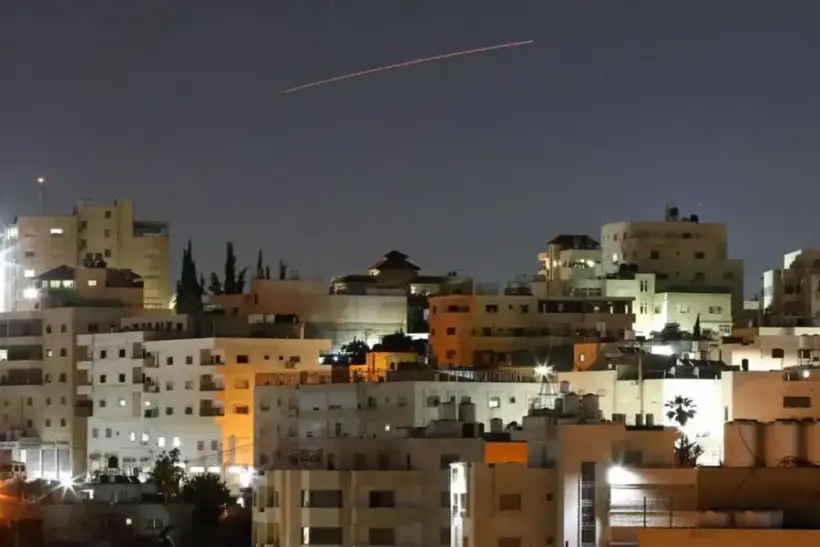
The ceasefire in the Middle East, announced in April, is at risk of collapse. On the evening of June 7, Iran carried out a missile strike on Israel in response to attacks on the suburbs of Beirut. Operations at Ben Gurion Airport have been suspended again. The new escalation is the most serious in recent months, The Guardian reports.
Iran fires missiles at Israel
The latest escalation was triggered by Israeli airstrikes on the Dahieh district in southern Beirut, a stronghold of Hezbollah. Lebanese authorities reported that residential buildings were affected, with two people killed and 11 others injured. The office of Israeli Prime Minister Benjamin Netanyahu said the targets were terrorist headquarters, and the operation was carried out in response to Hezbollah’s shelling.
Ebrahim Rezaei, a spokesperson for the Iranian parliament’s Foreign Policy and National Security Committee, promised a “decisive and painful response.” A few hours later, the Israel Defense Forces reported the launch of about ten ballistic missiles from Iranian territory. According to the military, all of them were intercepted or fell in open areas.
Iran’s Islamic Revolutionary Guard Corps said the operation was not a one-off action. In an official statement, it said missile and drone strikes could continue for up to a week. Mohammad Bagher Ghalibaf, Speaker of the Iranian parliament and the country’s chief negotiator, described U.S. bases and assets in the Middle East as “legitimate targets” after the strike on Beirut. He stressed that Israel was not observing the ceasefire and only understands the language of force.
Lebanon — the main obstacle to peace talks
Fighting in Lebanon has continued since March 2, when Hezbollah began shelling Israel following the killing of Iran’s Supreme Leader Ali Khamenei. According to The Guardian, more than 3,613 people have been killed in Lebanon since the start of the conflict. Israeli losses include at least 30 soldiers and three civilians.
The conflict remains one of the main issues in negotiations between the United States and Iran. Tehran insists that the Lebanese track must be included in any broader ceasefire agreement. At the same time, the governments of Lebanon and Israel are holding direct talks in Washington. Hezbollah is not participating in the discussions and has said it will not accept any agreement unless Israeli troops fully withdraw from Lebanon and airstrikes across the country stop.
UK Foreign Secretary Yvette Cooper called on both sides to immediately de-escalate. She stressed that renewed conflict between Iran and Israel is not in the interests of either side and threatens global trade stability.
Israel carries out retaliatory strikes
Following the Iranian attack, US President Donald Trump spoke with Benjamin Netanyahu and urged him not to launch a retaliatory strike on Iran. He said Israel would have to accept the terms of an agreement Washington is trying to negotiate with Tehran. He also called on Iran to return to talks, stressing that further escalation would not help the diplomatic process. However, on the morning of June 8, Israel struck Iranian surface-to-surface missile launchers and military infrastructure, Reuters reported. Ambassador Yechiel Leiter said Iran had previously fired 11 ballistic missiles at Israel. Iran said it had targeted the Ramat David airbase near Nazareth.
Trump continues to insist that a deal between the United States and Iran remains achievable. Tehran is demanding sanctions relief, the release of frozen assets, and recognition of its control over the Strait of Hormuz as part of any future agreement.
What this means for the global economy and tourism
The escalation has already affected global markets. During trading on June 8, oil prices rose by more than 3%, with Brent crude climbing back above $96 per barrel. The impact on the tourism sector is already visible. The temporary closure of Ben Gurion Airport has disrupted international flight schedules to and from Israel. Airlines are once again being forced to delay flights or reroute them away from conflict zones.
Additional risks are emerging for transit routes between Europe and Asia, some of which pass through regional airspace. Longer routes increase flight times and operating costs, which could eventually affect ticket prices.
Tourism experts also do not rule out a decline in demand for travel to Israel, Lebanon, and neighboring countries if the exchange of strikes continues. While most governments have not yet updated their official travel advisories, the situation remains tense and could change rapidly.