







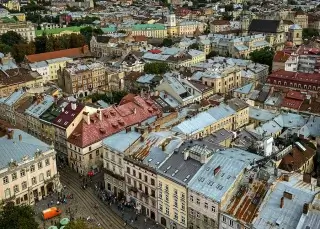
 How Ukraine’s New-Build Housing Market Has Changed Over Four Years
 European Prime Rents Rise as Property Yields Turn Higher
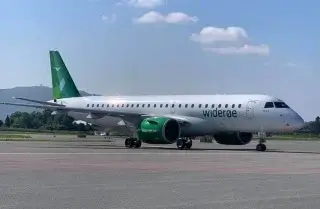 The Most Expensive Airlines in Europe in 2026
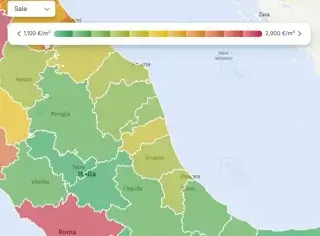 Housing Prices in Italy Reach a Two-Year High
 Travellers Increasingly Choose Cooler Scandinavia
 Serbia Property Sales Decline as Transaction Value Rises
More than 3,500 tourists affected by flight cancellations between Turkey and Russia
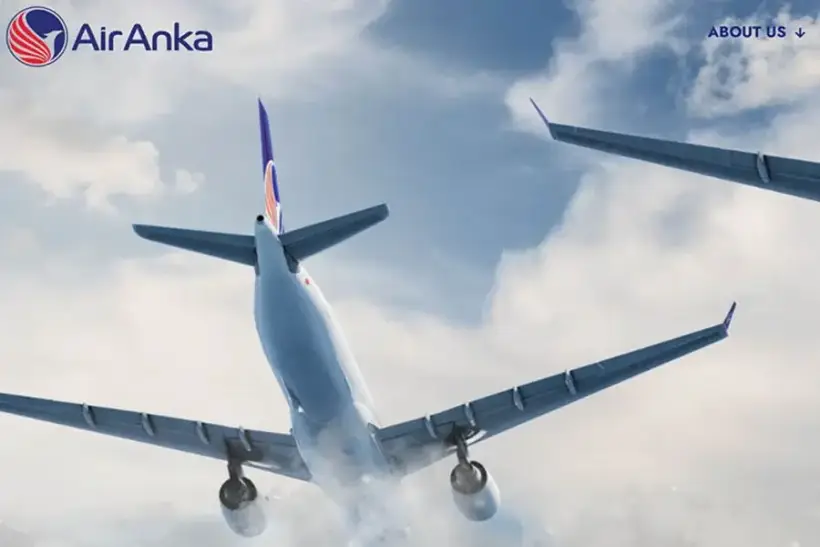
At least 11 flights between Antalya and Russian cities were cancelled from May 26 to May 28. Around 3,500 tourists have already been affected by disrupted departures from Turkey or cancelled holiday trips following the suspension of operations by several carriers. According to ATOR estimates, the industry will need to find around 300,000 additional seats across the season.
Air Anka: flights suspended
On May 26 and 27, Turkish airline Air Anka cancelled several flights between Russia and Turkey, affecting around 2,100 passengers. According to Russia’s Federal Air Transport Agency (Rosaviatsia), the carrier’s additional flight permits to Russia were valid only until May 25. After that date, new applications were not approved in coordination with Turkish aviation authorities. However, the airline had already sold its capacity to tour operator ANEX Tour through the end of October.
Tourists were offered extended hotel stays at the tour operator’s expense. For passengers still in Russia, travel dates are being rescheduled where necessary. In case of itinerary changes, refunds are available, although part of the amount may be withheld under contract terms. The tour operator has also begun rebooking passengers onto flights operated by other carriers, including Turkish Airlines and Corendon.
Air Anka had planned up to 11 daily flights from 11 Russian cities, including Sochi, Yekaterinburg, Kazan, Ufa, Chelyabinsk, Samara, and others. In total, the carrier offered more than 120,000 seats from late May to October.
Reduction in charter programs
Ahead of the summer season, Turkish carrier Tailwind exited the market, having planned flights from Krasnodar, Grozny, Astrakhan, and Saratov. The program accounted for 30,000 seats. Some routes have already been cancelled, including departures from Grozny and Saratov. For other destinations such as Krasnodar and Astrakhan, passenger rebooking options are still under negotiation with airlines.
Additional pressure on the market comes from Azur Air. Following restrictions imposed by Rosaviatsia, the airline was forced to significantly reduce its summer schedule to address regulatory findings. The potential reduction is estimated at around 150,000 seats. Overall, the deficit of air capacity to Antalya for the summer has reached 10%, according to ATOR estimates.
Tourism in Turkey: impact of restrictions
Rosaviatsia states that domestic carriers have sufficient capacity to compensate for the lost volumes. Potential operators include IrAero, Ural Airlines, and Aeroflot Group, as well as several foreign partners operating routes to Turkey.
However, industry participants note that fully replacing the lost flights during peak season will be difficult. Available seats are not evenly distributed across routes, and reallocating flight programs requires time and regulatory coordination, especially given already established summer demand.
Analysts at International Investment believe that the situation will depend on regulatory decisions and airlines’ ability to expand capacity during the peak season. In the short term, this may lead to a redistribution of tourist demand and increased pressure on alternative destinations. Among popular alternatives to Turkey is Georgia, accessible by both air and land transport. The country offers a wide range of accommodation options from budget to premium, in various locations: by the sea, in cities, and in mountainous regions. Natural landscapes and historical attractions further strengthen its position as a stable summer travel destination.