







 Alta Banka Collapse in Serbia: What Happens to Russian Depositors' Money
 Covivio Hotels Revenue Grows 4.7% as European Markets Split
 Lithuanian Apartment Prices Accelerate Across Major Cities
 Georgia's Tourism Revenue Hits Record High
 Norway's Sovereign Fund Commits €1.5bn to European Warehouses
 Market Rout of October 2026: Can Branded Hotels Protect Capital?
Social Media in the UAE: Fines and Arrests for Comments
Emarat Al Youm
In the UAE, even an ordinary social media comment can lead to a criminal case. Legal proceedings may be triggered not only by threats and direct insults, but also by jokes, sarcasm and criticism. Such posts can result in substantial fines, and in some cases their authors may be detained.
Criminal case in the UAE over a negative comment
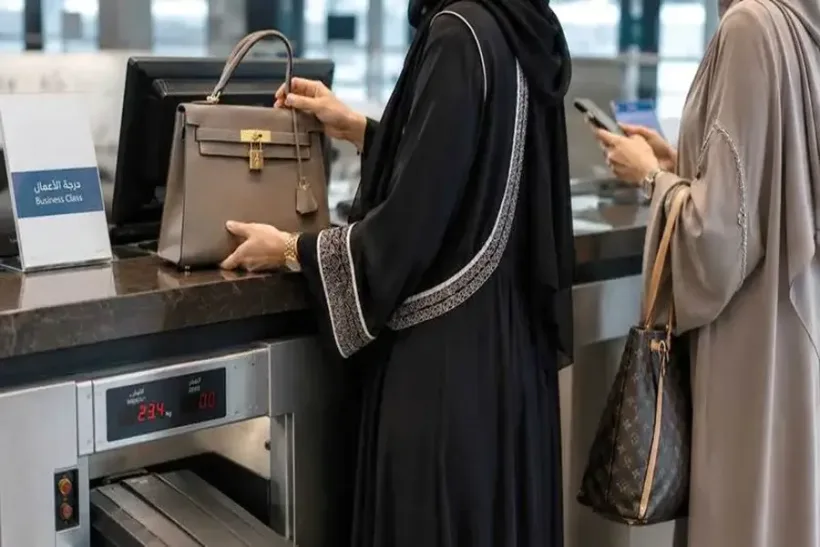
In May 2026, Ajman Police reported an unusual criminal case that began with a single sentence on Instagram. Before travelling abroad, a user saw a photo featuring an expensive handbag and commented that the item was fake. The remark triggered a wave of ridicule and online bullying. The owner of the bag filed a police complaint, accusing the commenter of insulting her and damaging her reputation. Law enforcement officers tried several times to contact the suspect but received no response. The complaint was then entered into the system.
The pending case came to light when the woman returned to the UAE. During passport control, an officer saw the complaint registered in Ajman and called a police patrol. The traveller was detained, while her husband and children were allowed to leave the airport. The parties eventually reached a settlement and the case was closed. Had the complainant not withdrawn her complaint, the accused could have faced imprisonment and a fine under the UAE law on combating rumours and cybercrime.
Following the case, Ajman Police revised procedures for handling some similar offences. Together with the Public Prosecution, the authorities introduced a remote bail service. In certain cases, it allows the necessary procedures to be completed online, without spending the night in custody or travelling to the emirate where the complaint was registered.
Lawford Legal Advisors has dealt with another case involving an online comment. In a Google review, a real estate agent was described as “rude”. This led to criminal proceedings and a compensation claim. The dispute was later settled.
What can lead to legal liability in the UAE
Liability for online insults and defamatory statements is regulated by UAE Federal Decree-Law No. 34 of 2021 on Countering Rumours and Cybercrimes. Under Article 43, penalties apply to insulting another person through electronic means or attributing conduct to them that may expose them to contempt. The offence is punishable by imprisonment and/or a fine ranging from AED 250,000 to AED 500,000 ($68,000–136,000).
Posts and comments do not necessarily have to contain explicit abusive language to fall within the scope of these rules. Legal consultant Amira Al Suraidi notes that proceedings can begin over a short phrase that its author regards as a joke or personal opinion. The content, context and audience reaction may all be taken into account.
Legal consultant Sara Al Baqishi points out that sarcasm or mockery can also cause legal problems if a statement affects a person’s honour or reputation. In some cases, liability may extend to users who share such content, join in the insults or participate in online bullying. The scale of dissemination, as well as moral and psychological harm, may also be considered when a case is examined.
Unverified allegations pose an additional risk. Legal consultant Hassan Elhais notes that a false statement may go beyond personal opinion and be treated as the dissemination of false information that damages someone’s reputation. For example, claiming that a person uses counterfeit goods could be interpreted as an accusation of dishonesty or deception.
Social specialist Aisha Al Kindi also highlights the tendency of some users to post provocative comments in an attempt to attract attention and gain more reactions and likes. Such a post can trigger further ridicule and escalate into widespread online bullying. She stresses the importance of teaching teenagers and young people about the boundaries of acceptable online behaviour and the possible legal consequences of their posts.
What tourists should keep in mind in the UAE
Analysts at International Investment note that numerous arrests in the UAE for filming, publishing and sharing photos and videos related to drone and missile attacks had previously attracted widespread attention. In Abu Dhabi alone, police reported the detention of 375 people of various nationalities. However, the Emirates also have strict rules governing other types of online content. Tourists may not even be aware of the risks associated with ordinary communication on social media.
Travellers are advised to familiarise themselves with current local laws in advance and to be particularly careful when posting about specific individuals or companies. If a dispute arises with a hotel, restaurant, shop or employee, it is safer to describe verifiable facts and personal experience, while serious complaints should be submitted through official channels. In a country with strict regulation of online content, a few careless words can have serious consequences.
Such restrictions could become an additional factor affecting the UAE’s appeal to international travellers. The issue is particularly sensitive at a time of heightened tensions in the Middle East, which are already affecting the region’s tourism industry.