







 Vietnam Mortgage Surge Pushes Homes Out of Reach
 Lithuanian Apartment Prices Accelerate Across Major Cities
 London Flats Lose Value Ahead of Leasehold Reform
 Construction of the Batumi–Sarpi Highway Begins in Georgia
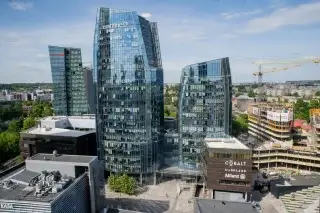 Baltic Property Investment Accelerates in 2026
 Hong Kong and Singapore Renew Their Expat Rivalry
Turkey’s rent crisis breaks global benchmarks

Rent growth far exceeds peer economies
Turkey’s rental housing market is facing an unprecedented crisis that far surpasses trends seen across the OECD. An analysis by economic columnist Naki Bakır, based on OECD data, shows that rent in Turkey has shifted from a basic living cost to a form of luxury consumption.
While average rents across OECD countries rose by 6.8 percent in 2025, Turkey recorded an extraordinary increase of 77.1 percent. This divergence signals a structural breakdown rather than a temporary inflation-driven spike.
A housing issue turning into a social crisis
As rent inflation accelerates, housing in Turkey has become a broader social issue rather than a purely economic indicator. OECD rent index data reveal a sharp divergence from peer economies, both in annual changes and long-term trends.
For millions of households, renting is no longer simply about securing shelter. Rapid rent increases are eroding purchasing power, reshaping household budgets and deepening inequality. The scale of the problem suggests a uniquely severe national crisis rather than a spillover from global inflation.
A decade of historic rent escalation
The contrast becomes most striking when examining the period from 2015 to 2025. Over that decade, average rents across the OECD increased by 48.9 percent. In Turkey, rents surged by an astonishing 1,457.7 percent.
This gap highlights a structural rupture. While rent growth in most developed economies broadly tracked inflation and income growth, Turkey experienced a sustained and dramatic price acceleration.
2025 confirms the inflation gap
Even as quarterly rent increases moderated during 2025, overall pressure on tenants remained extreme. Quarterly growth slowed from 15.5 percent early in the year to 9.6 percent in the final quarter, yet the annual average still reached 77.1 percent.
With TurkStat reporting annual inflation of 34.88 percent, real rent growth stood at approximately 31.3 percent. This indicates a significant inflation-adjusted loss of purchasing power for tenants, even after accounting for broader price increases.
Rent caps fail to address structural causes
Bakır argues that the scale of the crisis cannot be resolved through temporary rent caps or legal limits alone. Such measures may offer short-term relief but leave the underlying drivers untouched.
Persistent inflation, insufficient housing supply, rising construction and financing costs and long-standing urban policy imbalances continue to push rents higher. Without structural reform, rent controls risk discouraging investment and worsening supply shortages.
Urgent need for comprehensive housing reform
The analysis points to the need for an urgent and coordinated reform agenda. Stabilizing inflation, rapidly expanding affordable rental housing and implementing a permanent housing reform framework are essential to restoring balance to the market.
Without decisive intervention, housing affordability is likely to deteriorate further, increasing social strain and economic vulnerability.
International Investment expert view
As experts at International Investment report, Turkey’s rent crisis is exceptional by international standards and reflects deep structural imbalances between inflation, housing supply and household incomes. Without comprehensive reform and macroeconomic stabilization, rental housing will remain a growing source of social and economic risk.