







 Vietnam Mortgage Surge Pushes Homes Out of Reach
 Lithuanian Apartment Prices Accelerate Across Major Cities
 London Flats Lose Value Ahead of Leasehold Reform
 Construction of the Batumi–Sarpi Highway Begins in Georgia
 Baltic Property Investment Accelerates in 2026
 Hong Kong and Singapore Renew Their Expat Rivalry
Turkey Spends $12 Billion to Stabilize the Lira
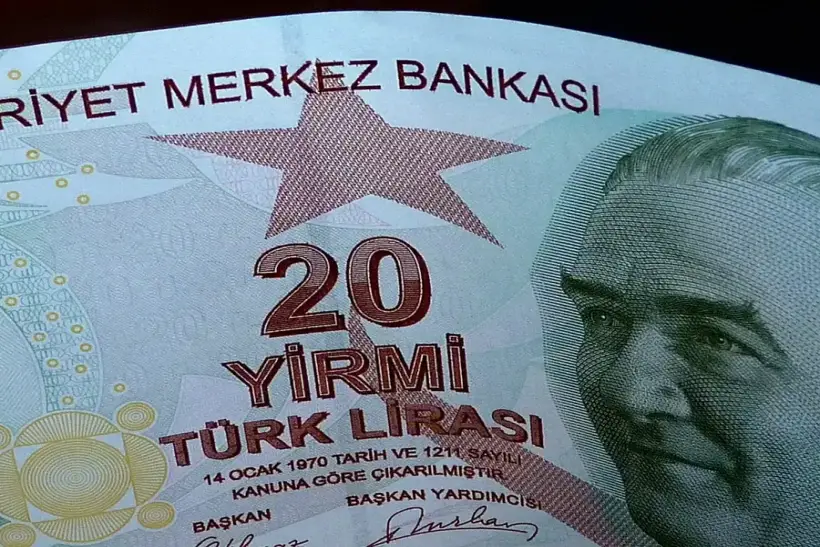
Turkey defends currency amid Middle East war turmoil
Turkey spent approximately $12 billion to support its national currency during a week of global market volatility triggered by the war in Iran. The intervention by the country’s central bank helped prevent a sharp decline in the Turkish lira while most emerging-market currencies weakened significantly.
According to traders familiar with the transactions, the central bank tightened liquidity conditions before markets opened early in the week. When trading began, Turkish lenders stepped in to sell dollars in order to reduce pressure on the lira and discourage speculative volatility.
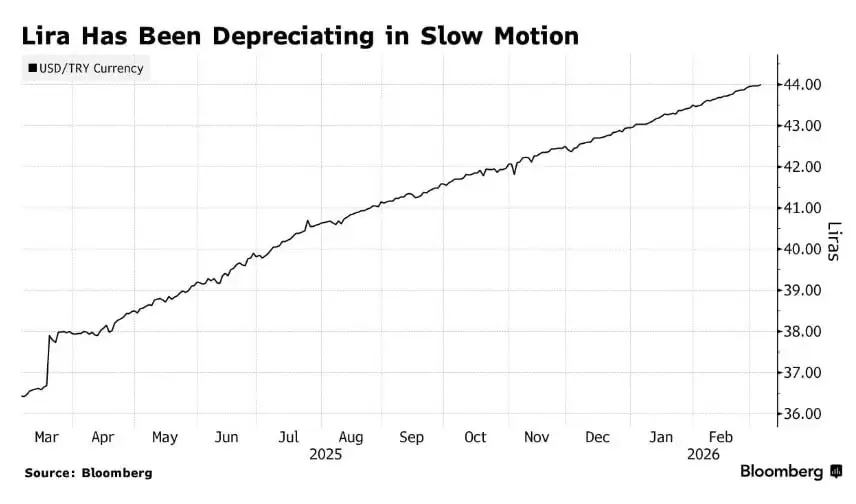
Currency intervention keeps the lira relatively stable
As a result of these actions, the Turkish lira remained relatively stable. Over the course of the week it declined only about 0.1% against the US dollar, making it one of the better-performing emerging-market currencies during the period of turbulence.
Turkish policymakers have for several years pursued a strategy of gradual and controlled depreciation of the lira. The approach is intended to provide predictability for businesses and investors while allowing the economy to adjust to domestic inflation and global financial conditions.
Market analysts say the current strategy can remain sustainable in the short term. Nick Eisinger, head of emerging-market sovereign strategy at JPMorgan’s asset-management division, said Turkey still has sufficient resources to continue currency interventions if market instability proves temporary.
Turkey maintains large reserve buffers
According to the latest available data, the Turkish central bank’s net foreign-currency reserves excluding swap lines with banks stood at around $78.4 billion at the end of last week. When combined with the institution’s gold holdings, total reserves amount to roughly $200 billion.
Analysts believe this level of reserves gives policymakers room to continue intervening in currency markets, although the sustainability of the strategy will depend heavily on how long geopolitical tensions persist.
If heightened risks related to the Iran conflict last only one or two weeks, markets could gradually stabilize. However, prolonged instability may create broader pressure not only on emerging-market currencies but also on risk assets globally.
Inflation and long-term depreciation of the lira
In recent years the Turkish lira has experienced one of the steepest depreciations among major emerging-market currencies. Since the early 2020s the currency has lost a large portion of its value against the US dollar, while annual inflation at times exceeded 80%.
This high inflation has pushed prices higher across the economy, including the housing market. Property transactions in Turkey are typically priced in the national currency, meaning nominal property prices continue rising as the lira weakens.
Real estate market changes and foreign investor retreat
As a result of the lira’s depreciation and persistently high inflation, nominal property prices in Turkey have risen sharply in the national currency. However, when measured in foreign currencies the picture is different. Because the lira has weakened significantly, the value of many properties has effectively declined or increased much more slowly in dollar or euro terms. This means that housing has become more expensive for local buyers, while for foreign investors price dynamics have been more mixed. At the same time, exchange-rate volatility, macroeconomic instability and regulatory changes in the real estate market have reduced the country’s attractiveness for some international buyers.
The Turkish government has introduced several restrictions in recent years. These include licensing requirements for short-term rentals through digital platforms, limits on tourist rentals in residential buildings, and restrictions on property purchases by foreigners in certain districts.
The measures were designed to cool the housing market and address concerns about rising rents for local residents. However, they have also reduced demand from international buyers who previously played a major role in the property markets of cities such as Istanbul, Antalya and other resort areas.
Current interventions smaller than last year’s crisis
The recent interventions remain smaller than those seen during last year’s currency crisis. In April of the previous year, Turkish authorities spent more than $50 billion in reserves to stabilize the currency following political tensions triggered by the imprisonment of Istanbul Mayor Ekrem Imamoglu, a key political opponent of President Recep Tayyip Erdogan.
According to analysts at Goldman Sachs, movements in the Turkish lira have so far remained contained. However, they warn that even substantial reserves may become insufficient if external shocks persist for a prolonged period.
As International Investment experts report, Turkey’s latest actions demonstrate the government’s determination to maintain controlled currency stability amid geopolitical turbulence. However, the long-term sustainability of this strategy will depend on the duration of the Middle East conflict, domestic inflation dynamics, energy prices and investor confidence in Turkey’s economic policy.