







 Turkey Is Losing Its Cheap-Holiday Advantage
 Development Is Rewriting Southeast Asia’s Historic Districts
 How Ukraine’s New-Build Housing Market Has Changed Over Four Years
 European Prime Rents Rise as Property Yields Turn Higher
 The Most Expensive Airlines in Europe in 2026
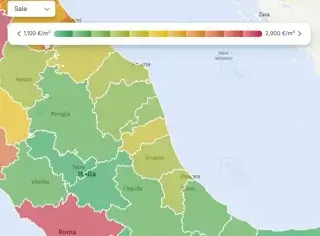 Housing Prices in Italy Reach a Two-Year High
US Mortgage Rates Hold Around 6.11 Percent

US 30-Year Mortgage Rates Near 6 Percent in Early February
In the United States, the average interest rate on 30-year fixed-rate mortgages for home purchases remained near 6.11 percent, marking a notable plateau in borrowing costs as the spring home-buying season begins. According to the weekly survey by Freddie Mac, this rate showed virtually no change compared to the previous week, staying close to recent lows not seen in over three years. Rates on 15-year fixed-rate mortgages also inched higher, reflecting broader trends in the credit markets and expectations among lenders.
Key Drivers Behind Current Mortgage Rates
Mortgage rates in the U.S. are influenced by Federal Reserve policy decisions, movements in the 10-year Treasury yield, and inflation expectations. Even with speculation about potential cuts to the central bank’s benchmark rate, long-term mortgage rates have remained stubbornly above 6 percent. This persistence continues to shape borrowing costs for prospective homebuyers and homeowners considering refinancing.
Impact on Housing Market and Consumers
These mortgage rate levels have tangible effects on housing affordability for consumers. Elevated rates add financial pressure on buyers who already face high home prices and limited inventory. On the refinancing side, modest increases in rates have dampened the appeal of refinancing for many homeowners, making it less attractive to reduce monthly payments or shorten loan terms. As long as rates stay above the psychological threshold of 6 percent, housing demand may remain subdued.
Outlook from Market Analysts
Economists and housing market analysts expect mortgage rates to fluctuate within a relatively tight range of around 6 percent to 6.5 percent in the coming months as economic indicators and Fed policy continue to influence the cost of borrowing. For many prospective buyers, this environment underscores the importance of careful financial planning when considering a mortgage or refinance application.
As reported by experts at International Investment, the current mortgage rate environment in the United States reflects a careful balance between efforts to support the housing market and the broader imperative of maintaining financial stability, shaping access to home loans for American households.