







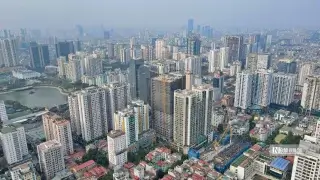
 Vietnam Mortgage Surge Pushes Homes Out of Reach
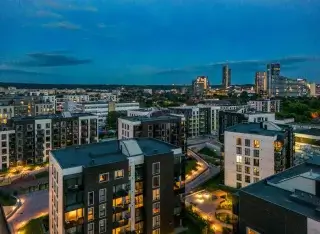 Lithuanian Apartment Prices Accelerate Across Major Cities
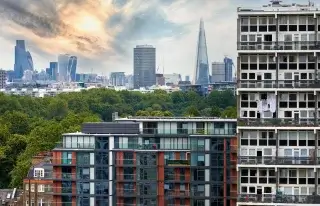 London Flats Lose Value Ahead of Leasehold Reform
 Construction of the Batumi–Sarpi Highway Begins in Georgia
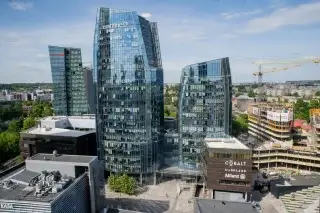 Baltic Property Investment Accelerates in 2026
 Hong Kong and Singapore Renew Their Expat Rivalry
Chicago Property Taxes Outpace Inflation
Cook County property taxes rose faster than prices
Homeowners in the Chicago area are facing a renewed affordability squeeze after a new Cook County study showed that property taxes have climbed far faster than inflation over the past three decades. According to the study cited by Bloomberg on March 30, total property taxes in Cook County rose 182% between 1995 and 2024 to nearly $19.2 billion, while inflation increased by less than 91% and average wages rose 161%. Bloomberg described the region as grappling with some of the heaviest property-tax pressure in the US.
The annual burden is still rising. In the 2024 tax year, payable in 2025, property owners across Cook County were billed about $871.8 million more than a year earlier, lifting the total to almost $19.2 billion. That was a 4.8% increase, above the 3.5% regional inflation rate for 2024, and it marked at least the 31st straight year of countywide property-tax growth, according to the Cook County Treasurer’s analysis.
Why Chicago-area property taxes keep rising
The study points to more than one driver. Local taxing bodies, especially school districts, have continued to raise the amount of money they seek from taxpayers. Axios Chicago, citing the treasurer’s report, said school district levies increased by more than 189% from 1995 to 2024 and topped $10.5 billion in 2024. The same report said tax increment financing districts expanded by more than 1,000% over that period, with TIF-related taxes exceeding $1.8 billion in tax year 2024.
The official 2024 Tax Year Bill Analysis shows that the pressure is also structural. When commercial property values weaken, the tax burden does not disappear. It is redistributed across the tax base, and in Chicago that redistribution has increasingly landed on homeowners.
Loop office weakness shifted the tax burden to housing
That shift was especially visible in downtown Chicago. The treasurer’s analysis found that commercial assessed values in the Loop fell about 7.2%. Taxes billed to commercial property owners in the Loop dropped sharply, helping reduce commercial taxes citywide by roughly $134.4 million. At the same time, total taxes in Chicago increased by $528.6 million, and homeowners alone were charged $469.4 million more, an 11.6% jump. The median residential property tax bill in the city rose a record 16.7% to $4,457.
Chicago Sun-Times documented the same dynamic at the asset level. Water Tower Place’s annual property tax bill fell from $16 million to $6.8 million, while a La Salle Street tower saw its bill drop from $8.5 million to $5.1 million. Because the overall revenue needed to fund schools, public safety and other local services remained in place, the shortfall from struggling commercial assets was shifted elsewhere in the system.
South and West Side neighborhoods saw the biggest increases
The steepest increases did not hit the most affluent parts of the city. According to the official bill analysis, median residential tax bills rose by more than 30% in 15 South and West Side community areas. West Garfield Park posted a 133% jump, North Lawndale rose 99%, and Englewood climbed 82.5%. The report said the sharpest percentage increases hit neighborhoods where home values surged after the pandemic and where homeowners were less likely to appeal their assessments.
The picture outside the city was less severe. In the north and northwest suburbs, the median residential bill increased 3.4% to $7,503. In the south and southwest suburbs, the median residential bill rose 2.2% to $6,258. That contrast underscored how much of the current pressure in Chicago is tied to reassessment and the weakening of part of the downtown commercial base.
Why the issue matters for the housing market
Property taxes have become both an economic and political issue in the Chicago region. Bloomberg recently reported that the county’s roughly $19 billion tax bill has become central to the race for assessor, while the treasurer’s office has shown that residential bills rose 6.3% countywide in 2024 and climbed by more than 30% in parts of Chicago.
For homeowners, a higher annual tax bill directly affects housing affordability and long-term holding costs. For investors, it complicates underwriting in multifamily and commercial real estate, especially in areas where assessment shifts can quickly alter projected returns. Chicago Sun-Times tied the burden shift away from the Loop to the post-pandemic drop in downtown business activity and the long tail of remote work on office values.
As experts at International Investment note, the Chicago story is no longer just about high taxes. It is about how falling office values, rising school levies and the scale of TIF-related revenue can reshape the tax map of a major US metro area. For buyers and investors, that means the real cost of entry in Chicago-area housing can no longer be measured by purchase price and mortgage rates alone; the local property-tax trajectory now matters just as much.
FAQ
How much have Cook County property taxes increased over the past 30 years?
The Cook County Treasurer’s study says total property taxes rose 182% from 1995 to 2024, reaching nearly $19.2 billion.
Did property taxes rise faster than inflation in the Chicago area?
Yes. The same study says inflation increased by less than 91% over that period, meaning property taxes rose at roughly twice the pace.
Why are homeowners paying more when downtown offices are worth less?
Because local governments still need to collect the revenue required for schools and services. If reassessed commercial properties pay less, a larger share of the burden shifts to other taxpayers, including homeowners.
Which Chicago neighborhoods were hit hardest?
The sharpest increases were recorded in places such as West Garfield Park, North Lawndale and Englewood, along with other South and West Side neighborhoods.
What are the main reasons behind the long-term increase?
The report points to rising local levies, especially from school districts, growth in TIF-related revenue, and the redistribution of tax burden as parts of the commercial real estate base weaken