







read also
 Fines for Illegal Rentals in Spain Reach €800,000
 Australia’s Spring Auctions Rise but Remain Well Below 2025
 Number of Foreigners Holding Turkish Residence Permits Exceeds 1.27 Million
 Demand from Russian Tourists for Holidays in Georgia Rises by 20–25%
 Montenegro Property Buying Costs in 2026
 Four in Ten Companies Would Not Choose Slovakia
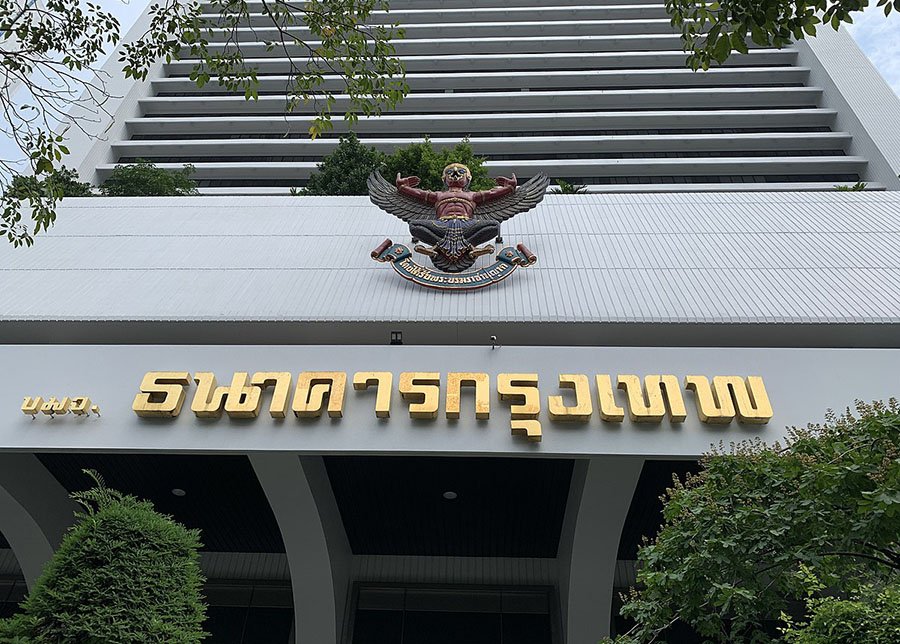
Photo: Wikimedia
Thailand’s central bank has stepped up scrutiny of foreign-exchange transactions after the baht surged to its strongest level in four years. The Bank of Thailand said it will impose stricter checks on dollar-selling activities, particularly those linked to gold trading, to curb capital inflows deemed unrelated to genuine business activity.
Gold trading amplifies currency pressure
Governor Vitai Ratanakorn said FX flows connected to gold trading have risen significantly, at times accounting for as much as 20% of total market activity. Gold is widely held as an investment asset in Thailand, and when it is sold, proceeds are typically converted from dollars into baht, adding upward pressure on the currency amid rising global gold prices.
Banks face tighter compliance requirements
The central bank has instructed commercial banks to strengthen document checks on all dollar-selling transactions by gold traders. It is also seeking approval from the finance ministry to obtain detailed foreign-exchange transaction data from major gold dealers, a move aimed at improving transparency and monitoring potentially speculative flows.
Baht strength weighs on exports and tourism
The enhanced scrutiny follows a sharp rally in the baht, prompting the Bank of Thailand to issue statements on the currency’s strength for a second consecutive day. A stronger baht poses challenges for Thailand’s export competitiveness and tourism sector, both critical pillars of the economy, increasing the urgency for regulatory intervention.
Online gold platforms under review
Authorities are also examining the rapid growth of online gold-trading platforms, whose transaction volumes have expanded quickly and, according to the central bank, have had a clear impact on baht volatility. The Bank of Thailand is working with the finance ministry to determine which government agency should directly oversee the sector.
As reported by International Investment experts, Thailand’s response highlights a broader regional shift toward tighter monitoring of capital inflows linked to commodity trading. While the measures may help stabilize the baht in the near term, they also signal a more interventionist stance toward currency management as global financial volatility persists.