







 Latvia’s Residence Permits for Real Estate to Be Abolished from September 15
 Egypt Prepares New Law for Property Developers
 Young Japanese Buyers Turn to 50-Year Mortgages
 Argentina Narrows Tourism Gap as Arrivals Rise
 Seattle Luxury Housing Loses Its Former Momentum
 The World’s Strongest Passports for Travel, Living and Investment
Bank of Israel cuts rate to 3.75%: shekel strengthens and economic risks remain
Times of Israel
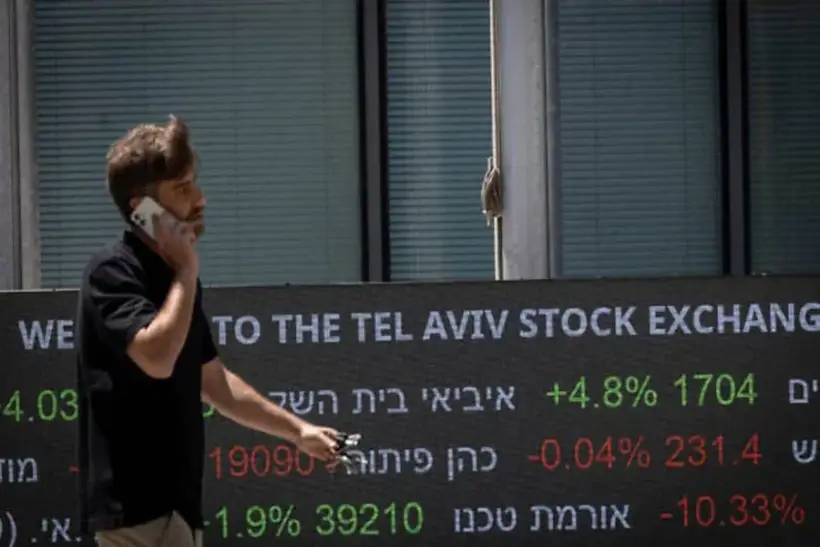
The Bank of Israel lowered its key interest rate by 0.25 percentage points to 3.75%. The decision was made against the backdrop of slowing inflation, a stronger shekel, and solid macroeconomic indicators. At the same time, the regulator warned of persistent geopolitical risks and the possibility of renewed inflation acceleration, according to business publication Globes.
Third rate cut since late 2025
The Bank of Israel’s Monetary Policy Committee, headed by Governor Professor Amir Yaron, cut the rate by 0.25 percentage points. Most economists had expected this move.
This is already the third rate cut since November 2025. Prior to the latest decision, the regulator had reduced the rate twice in a row by 0.25 percentage points—in November and January. In its two most recent meetings, the Bank kept the rate unchanged due to uncertainty linked to the military situation.
The latest decision reflects easing inflation pressures, strong macroeconomic data, and a notable strengthening of the national currency. Since the previous rate decision, the shekel has gained 8.3% against the US dollar, 7.2% against the euro, and 7.4% in nominal effective terms. A stronger shekel typically helps slow inflation by reducing the cost of imported goods and raw materials.
Threat of renewed inflation acceleration
Easing monetary policy did not change the regulator’s cautious stance. The Bank of Israel stressed that geopolitical uncertainty remains high both domestically and internationally. Inflation is currently in the middle of the 1–3% target range, but global pressures have intensified since the previous decision.
Risks of renewed inflation acceleration remain. These include geopolitical developments and their impact on economic activity, energy prices, and rising demand amid supply constraints.
Iran war and Israel’s economy
The military operation “Rising Lion” against Iran affected the economy. National accounts data for Q1 2026 show Israel’s GDP contracted by 3.3%. The regulator noted that the decline was milder than previously forecast and less severe than during the June 2025 operation.
Tourism remains a weak point. Foreign visitor arrivals in April 2026 were significantly below pre-war levels, heavily affecting hotels, restaurants, transport, and small businesses. The conflict also continues to weigh on consumer services, construction, transport, and SMEs. Even the resilience of the high-tech sector and additional defense-related orders has not yet offset the weakening domestic demand.
Outlook for economic recovery
Government spending partially supports the economy, particularly in defense, logistics, and security. However, it increases budget pressure, crowds out civilian spending, and raises risks of future tax increases or program cuts. At the same time, current indicators point to a recovery in activity after the end of military operations. Card spending, after a temporary drop, has increased again and is now slightly above its long-term trend.
Experts at International Investment note that even a strong technology base cannot fully offset the effects of war, weak domestic demand, and expensive borrowing. Continued conflict or weak consumption recovery could slow the economy more than expected. The pace of recovery in the second half of the year will depend primarily on the security situation.
Israeli Investor Behavior
High housing prices and broader regional instability are increasingly pushing Israeli citizens to look for investment opportunities abroad. Another contributing factor has been the war in the Middle East, which has strengthened interest in more predictable markets and assets capable of preserving capital over the long term.
Georgia remains one of the most sought-after destinations. Demand for development land plots and other real estate in Tbilisi and Batumi has increased by 20%, according to the Vesti Kavkaza portal. The most active buyers are investors from the Persian Gulf countries and Israel. In Batumi, foreign investors are increasingly viewing property not as a place to live, but as an investment instrument, expecting both capital appreciation and rental income from the popular Black Sea resort city.
At the same time, market participants note a shift in demand patterns. Rental yields in the residential segment are gradually declining due to growing supply and intensifying competition. Meanwhile, interest in the hospitality sector is rising, as this segment demonstrates higher profitability. Premium hotel projects are considered more resilient during periods of price and demand fluctuations and offer investors a more stable cash flow.