







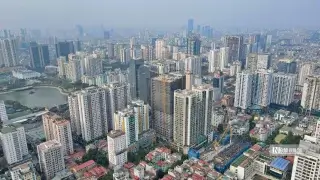
 Vietnam Mortgage Surge Pushes Homes Out of Reach
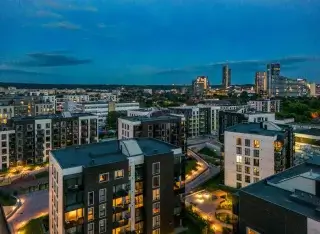 Lithuanian Apartment Prices Accelerate Across Major Cities
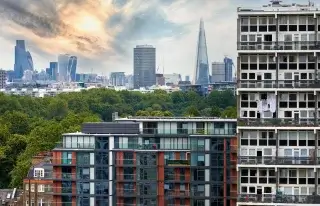 London Flats Lose Value Ahead of Leasehold Reform
 Construction of the Batumi–Sarpi Highway Begins in Georgia
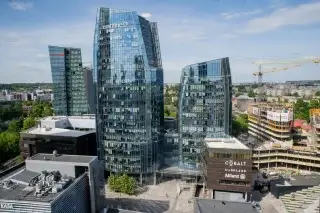 Baltic Property Investment Accelerates in 2026
 Hong Kong and Singapore Renew Their Expat Rivalry
Residential Real Estate Market in Georgia 2026: Trends in Tbilisi and Batumi
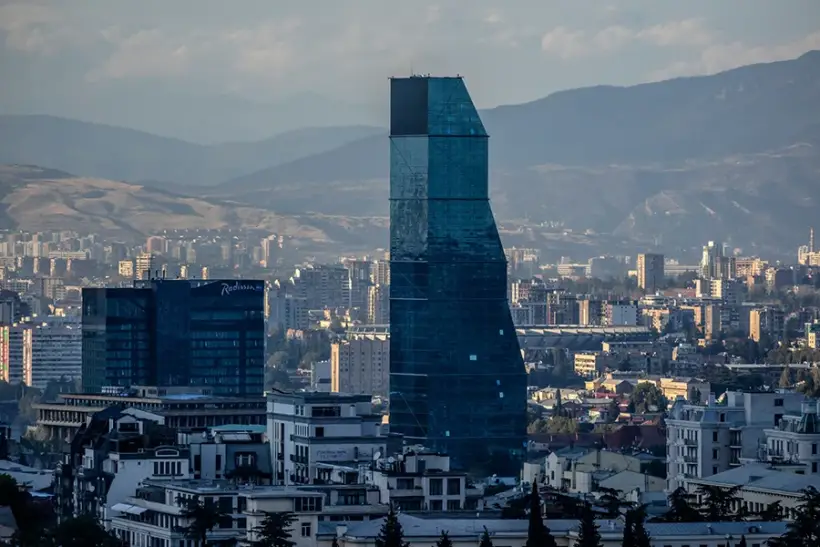
The beginning of 2026 confirmed the steady growth of Georgia’s housing market, although the dynamics in Tbilisi and Batumi developed along different paths, according to the Colliers report. In the capital, the greatest interest remains in the central districts, while in the resort city of Batumi, demand is largely driven by new developments and foreign buyers.
Tbilisi Housing Market Highlights
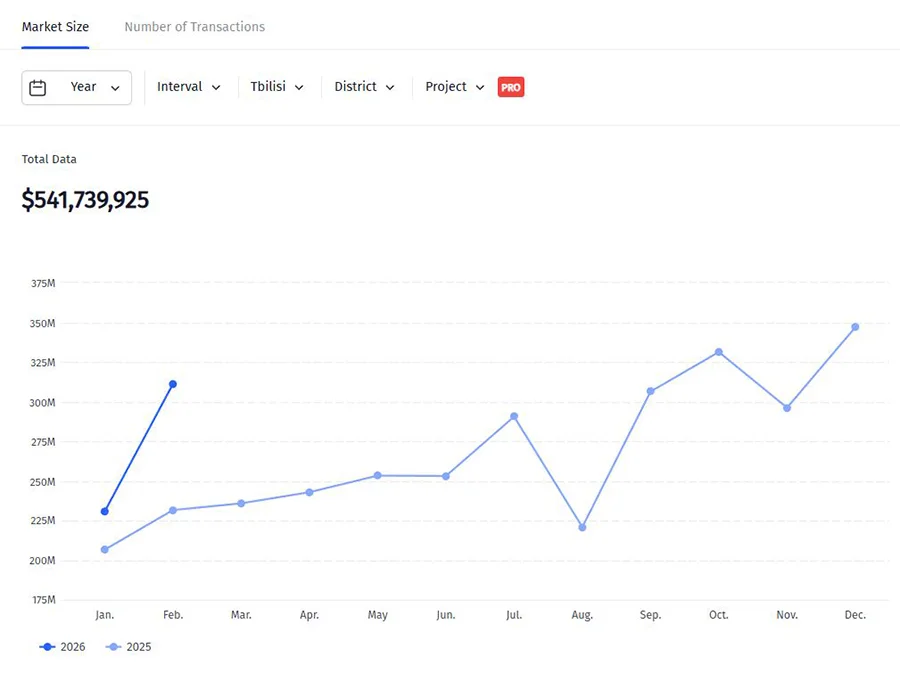
In January 2026, 2,923 apartment transactions were registered in Tbilisi, up 1.4% compared to the same period in 2025. The total market volume reached USD 232 million.
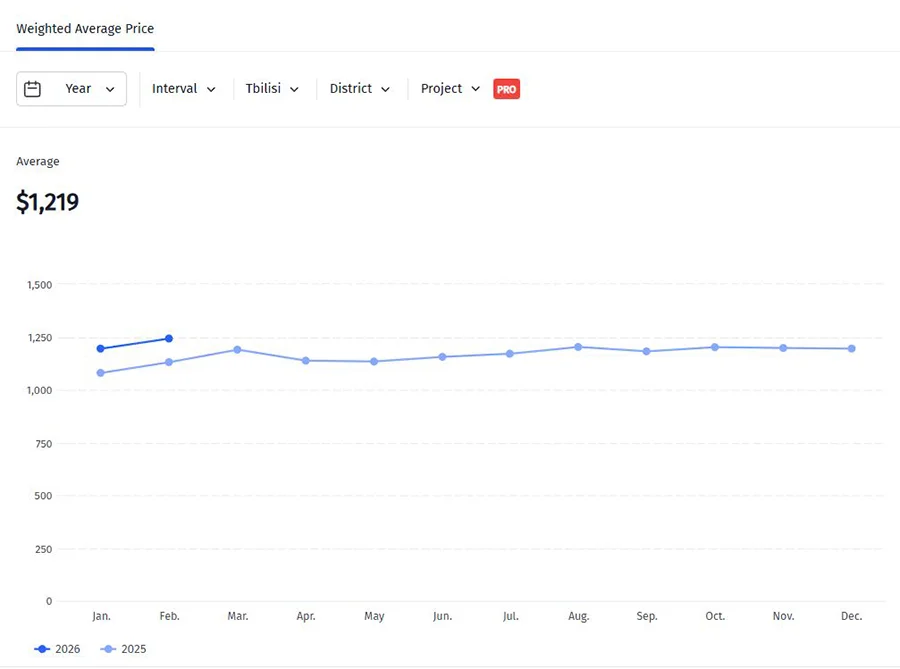
On the new-build market, the number of transactions declined by 2.3%, affected by limited supply and delays in project registration. The average price of primary housing in Tbilisi increased by 11.1%, with the most noticeable rise in central districts. The average price per sq. m was about USD 1,331.
Resales in recently completed projects grew by 8%, while older apartments saw a 1.4% increase. On the secondary market, the average price rose by 8% across the city: 8.7% in the center, 7.8% in the wider center, and 3.8% in the suburbs. Prices in this segment increased by 5.3%.
In February, the number of transactions rose by 20.4% to 3,801, totaling USD 311 million. The new-build market saw a 23.9% increase in activity. The average price remained unchanged. Recently completed projects showed an 8% increase in transactions and a 6.3% rise in prices. On the secondary market of older housing, Tbilisi recorded 15.7% more contracts, with average prices rising by 8.5% across the city: 11.6% in the center, 8.2% in the wider center, and 9.1% in the suburbs.
Batumi Housing Market: Foreign Buyers Dominate
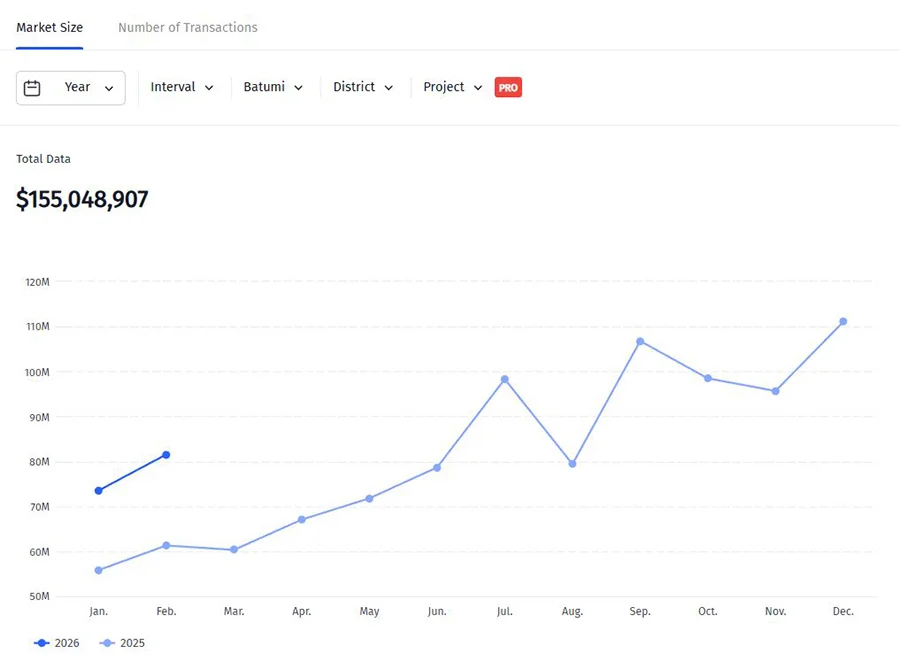
In January 2026, 1,293 apartment transactions were registered in Batumi, up 25.3% from January 2025. The total market volume reached USD 77 million, a 36.3% year-on-year increase.
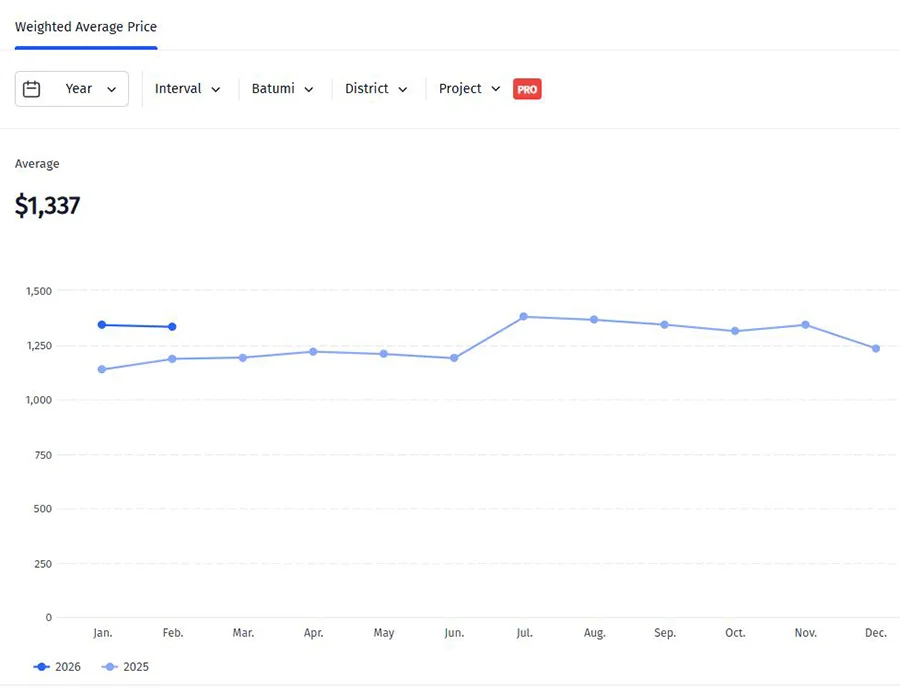
In February, 1,315 contracts were concluded (+19.7%), totaling USD 82 million. On the primary market, transactions increased by 22.7%, and prices rose by 12.6% to USD 1,334 per sq. m. The main contribution to growth came from direct sales by developers, which rose by 24.4% in volume and 23.2% in price. In the resale segment of new apartments, growth was more moderate: +21.4% in transactions and +6.9% in prices. On the secondary market of older housing, activity declined by 12.8%.
Foreign buyers play a significant role in demand, exceeding the number of local purchasers. The number of transactions increased by 53.9% in the new-build segment and by 47.6% in the resale sector.
Investment Benefits in Georgian Real Estate
Experts from Galt & Taggart note that rising prices have not positively affected the yield of residential real estate in Georgia. For example, rental rates in Batumi remain unchanged, while rental profits decline annually. The gross yield dropped from 10% to 7% over two years, while the net, real yield is even lower — 2–4%. In 2026, a further decline is expected as market supply continues to grow, suppressing rates. In a scenario where the apartment stock doubles (as projected by Galt & Taggart), owners could receive only 1.5–2%, and in some cases even face negative returns.
Analysts at International Investment emphasize that residential real estate in Georgia is becoming less profitable. At the same time, the luxury hotel segment of international brands is gaining momentum, with high demand and limited supply. Yields in this sector are significantly higher, and the high-end hotel market is more resilient to price and demand fluctuations.
FAQ: Georgian Residential Real Estate Market, January–February 2026
- How many housing transactions were registered in Tbilisi and Batumi in January–February 2026?
- Tbilisi: 6,724 (January — 2,923; February — 3,801)
- Batumi: 2,608 (January — 1,293; February — 1,315)
- How did primary market activity change?
- Tbilisi: January — decrease of 2.3%, February — increase of 23.9%
- Batumi: February — increase of 22.7%, mainly driven by developers (+24.4%)
- How did primary housing prices change?
- Tbilisi: average price per sq. m — approx. USD 1,331; February increase in recently completed projects — +6.3%
- Batumi: average price — USD 1,334 per sq. m, increase of 12.6%; developer sales +23.2%
- What happened on the secondary market?
- Tbilisi: January — average price up 8%; February — transactions +15.7%, prices +8.5%
- Batumi: activity of older housing declined by 12.8%; resales in new projects: +21.4% in transactions, +6.9% in prices
- What is the role of foreign buyers?
- In Batumi, foreign buyers outnumber locals: transactions in the new-build segment +53.9%, in the resale segment +47.6%
- What is the investment yield in residential real estate?
- In Batumi, gross yield fell from 10% to 7%, net yield 2–4%. Forecast for 2026 — further decline with growing supply.
- Are there more resilient investment segments?
- Yes, luxury hotels of international brands show high demand, limited supply, higher yields, and greater market stability.