







 Vietnam Mortgage Surge Pushes Homes Out of Reach
 Lithuanian Apartment Prices Accelerate Across Major Cities
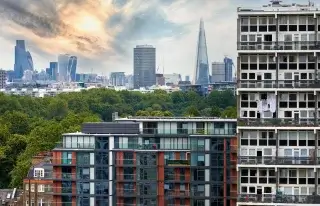 London Flats Lose Value Ahead of Leasehold Reform
 Construction of the Batumi–Sarpi Highway Begins in Georgia
 Baltic Property Investment Accelerates in 2026
 Hong Kong and Singapore Renew Their Expat Rivalry
UK Households Lose Ground on Energy

British households are on track to end 2026 nearly £500 worse off as a renewed surge in oil and gas prices threatens to wipe out the brief relief delivered by the spring drop in the domestic energy price cap. Resolution Foundation had already warned in March that if the recent rise in oil and gas prices were sustained, typical annual energy bills could climb by around £500. By April 13, updated reporting said the median working-age household was now at risk of being about £480 worse off over the year.
Energy costs are back at the center of the UK cost-of-living squeeze
The timing is what makes the shock so politically sensitive. Ofgem set the energy price cap for the period from April 1 to June 30, 2026 at £1,641 a year for a typical household paying by direct debit, down £117 from the January–March level of £1,758. Ofgem says the fall was driven by lower wholesale costs and changes to the funding of some government schemes.
That respite may prove short-lived. Cornwall Insight, one of the best-known forecasters of the cap, now estimates the July–September 2026 cap at £1,861.12. The House of Commons Library says the war in the Middle East has already raised wholesale gas and electricity prices and will affect the next cap level, due to be announced by May 27.
Resolution Foundation’s £480 warning
Resolution Foundation’s early-March analysis was still relatively upbeat about near-term living standards. It projected that typical working-age families would see living standards rise by 0.9%, or about £300, in 2026–27, while lower-income households could gain 3.9%, or £800. But the same analysis warned that a fresh energy shock could add around one percentage point to inflation and about £500 to typical annual energy bills.
By April 13, that warning had turned into a much darker assessment. Reporting based on updated Resolution Foundation calculations said a typical working-age household was now on course to be about £480 worse off, with expected income growth flipping into a 0.6% decline. That shift has pushed the energy story back into the center of the UK’s living-standards debate.
Why the Ofgem cut did not solve the problem
The April cap reduction was real, but it did not restore pre-crisis normality. The House of Commons Library says that even after the April 2026 fall, typical bills remain 35% above pre-energy-crisis levels from winter 2021/22. Energy UK gives a similar message in real terms, saying the cap remains around 30% above where it stood before the crisis, with wholesale gas still the main driver of bills.
Ofgem’s own breakdown shows how exposed households remain. In the April–June 2026 cap, wholesale energy costs account for £652 of the annual bill for a typical direct-debit household, network costs account for £463, supplier operating, debt and industry costs for £275, and policy costs for £106. That structure helps explain why Britain remains vulnerable to global fuel shocks even when some policy charges are reduced.
Which households are most exposed
The burden is not evenly spread. Resolution Foundation says poorer households spend more than twice as much of their budgets on energy as richer households, meaning the same tariff increase causes much greater damage at the bottom of the income distribution. In March, the think tank still expected poorer households to record a relatively strong year because of welfare changes, especially the removal of the two-child limit and a permanent above-inflation increase in the basic rate of Universal Credit.
That cushion now looks much thinner. Guardian reporting said the expected income growth for the poorest households had been revised down to 1.2% from 2.8%. One notable exception remains larger families in the lower half of the income distribution with three or more children, who may still see stronger gains because of the benefit-policy change. But the broader pattern is clear: a new energy shock is once again widening the gap between headline policy support and actual household purchasing power.
Starmer’s government faces a renewed living-standards test
This has immediate political consequences for Keir Starmer’s government. Ofgem says around 60% of customers remain on tariffs covered by the cap, meaning quarterly resets still matter directly for most households. Energy UK also says household energy debt has climbed to record levels, with official figures showing around £4.5 billion owed to retail suppliers and the trade body’s own estimate reaching about £5.5 billion.
The policy discussion is therefore shifting away from broad subsidies and toward targeted support. Guardian reported that Resolution Foundation is calling for a £3.7 billion social tariff to protect the most vulnerable households. At the same time, parliamentary and industry analysis increasingly links today’s high bills to the UK’s long-running exposure to international gas prices, suggesting that without structural change Britain will remain highly sensitive to external shocks.
As experts at International Investment report, the importance of the UK’s near-£500 household hit is not limited to utility bills alone. It is a reminder of how quickly an external geopolitical shock can erase a fragile improvement in living standards in an import-dependent economy. If the summer cap rises toward current forecasts, energy costs will again become a defining variable for both social pressure and domestic economic politics in Britain.
FAQ: UK energy bills and household incomes
Why are UK households at risk of being nearly £500 worse off?
Because higher oil and gas prices linked to the Middle East crisis are expected to push energy bills higher and weaken real disposable incomes. The latest reported estimate puts the hit at about £480 for a typical working-age household.
What is the current Ofgem energy price cap?
From April 1 to June 30, 2026, the Ofgem cap is £1,641 a year for a typical dual-fuel household paying by direct debit. That is £117 lower than in the previous quarter.
Why could bills rise again in summer 2026?
Cornwall Insight forecasts the July–September cap at £1,861.12, and the House of Commons Library says higher wholesale prices caused by the Middle East war will influence the next cap decision.
Are bills still high by historical standards?
Yes. The House of Commons Library says typical bills remain 35% above winter 2021/22 levels even after the April 2026 reduction.
Who is most vulnerable to the new energy shock?
Lower-income households are most exposed because they spend more than twice as much of their budgets on energy as richer households do.