







read also
 Canada Fast-Tracks Tax Rulings for C$1 Billion Investments
 China Nears a Decision on Fresh Stimulus
 Fines for Illegal Rentals in Spain Reach €800,000
 Australia’s Spring Auctions Rise but Remain Well Below 2025
 Number of Foreigners Holding Turkish Residence Permits Exceeds 1.27 Million
 Demand from Russian Tourists for Holidays in Georgia Rises by 20–25%
Business / Tourism & hospitality / Analytics / News / Reviews / China / Japan / Tourism China / Tourism Japan 05.12.2025
A new travel crisis hits Asia: 1,900 China–Japan flight cancellations disrupt peak-season tourism
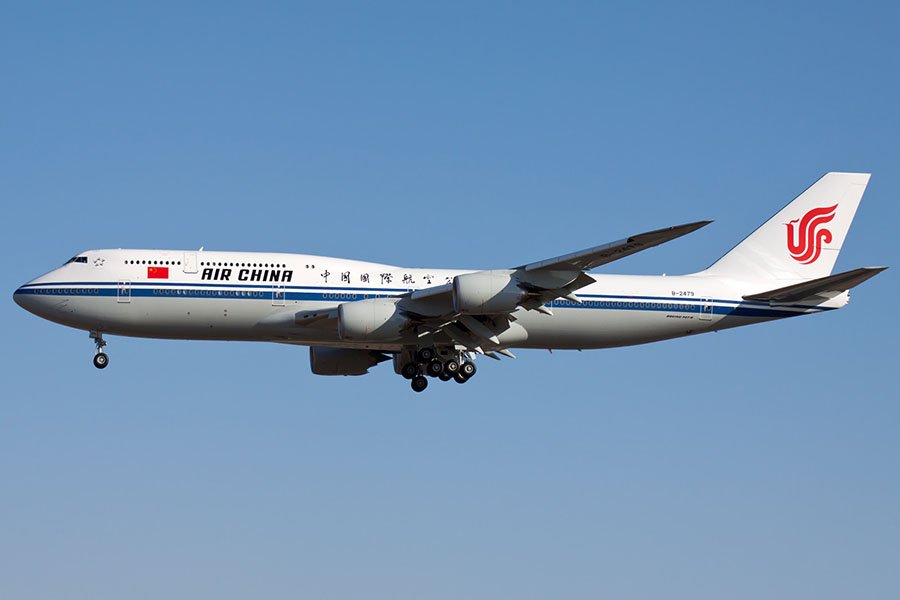
Asia is facing a fresh wave of travel chaos as 1,900 flights between China and Japan scheduled for December have been canceled amid rapidly deteriorating diplomatic relations. Air China and China Eastern Airlines are among the most affected, with cancellations hitting at the height of the holiday travel season.
Geopolitical tensions drive drastic travel restrictions
The Chinese government imposed major reductions in air travel following rising political tensions, including statements from Japanese Prime Minister Sanae Takaichi that Beijing interpreted as escalating security risks. Flight cuts primarily target major Chinese hubs — Beijing Capital (PEK) and Shanghai Pudong (PVG).
A state-issued travel advisory triggered a sharp decline in demand: industry analysts report a more than 35% drop in December bookings to Japan, forcing airlines to widen refund windows and adjust capacity.
Airlines slash capacity as demand collapses
Chinese state broadcaster CCTV reported that nearly 40% of China–Japan flights for December have already been canceled, with the number expected to rise. China Eastern and Air China dramatically reduced frequencies on high-traffic routes connecting Beijing and Shanghai with Tokyo and Osaka. Agencies warn that many routes may not return until 2026.
Winners emerge: South Korea, Russia and Southeast Asia see tourism surge
As Japan confronts a major decline in Chinese arrivals, neighboring markets are absorbing redirected demand. South Korea, Russia, Thailand, Malaysia and Singapore have all seen spikes in bookings.
Russia has become a standout beneficiary due to low prices and visa-free entry for Chinese citizens. Travel agencies highlight growing interest in Moscow and St. Petersburg. Southeast Asia is also booming, offering a wide range of visa-free destinations such as Thailand and Singapore.
Japan faces economic fallout as Chinese tourists stay away
The cancellations have wide-ranging economic consequences. Chinese visitors account for around 0.4% of Japan’s GDP through tourism spending — a significant share for retail, transport and hospitality.
Winter is a critical season for inbound tourism, and reduced Chinese arrivals pose a risk to Japan’s broader recovery. However, experts stress that total collapse is unlikely: historically, Chinese tourism rebounds once geopolitical tensions ease.
Airlines and tourism agencies shift strategy
Carriers continue canceling flights into late December, and if tensions persist, analysts predict a 40–50% drop in China–Japan passenger volumes in early 2026. The yen’s weakness is attracting Western travelers, but the impact is outweighed by the sharp decline from China.
Some economists warn the yen could slide to ¥160 per U.S. dollar if the situation escalates.
Uncertainty dominates Asia’s travel landscape
The coming months remain uncertain as airlines, travelers and tourism operators brace for continued volatility. Alternative Asian and Eurasian destinations may continue to gain momentum, while Japan faces a steep challenge in maintaining its appeal among Chinese holidaymakers.
International Investment analysts emphasize that this crisis marks a structural shift in Asia’s tourism flows, not just a temporary disturbance. China’s outbound travel is redirecting toward more politically stable markets, while Japan risks losing long-held advantages in the premium East Asian tourism segment. Experts conclude that Japan’s ability to recover its Chinese visitor base will depend entirely on diplomatic progress — the longer the tension lasts, the more lasting the market shift may become.