







read also





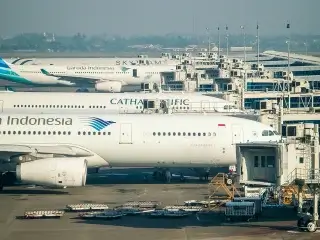
Aviation Turmoil Sweeps Across Asia
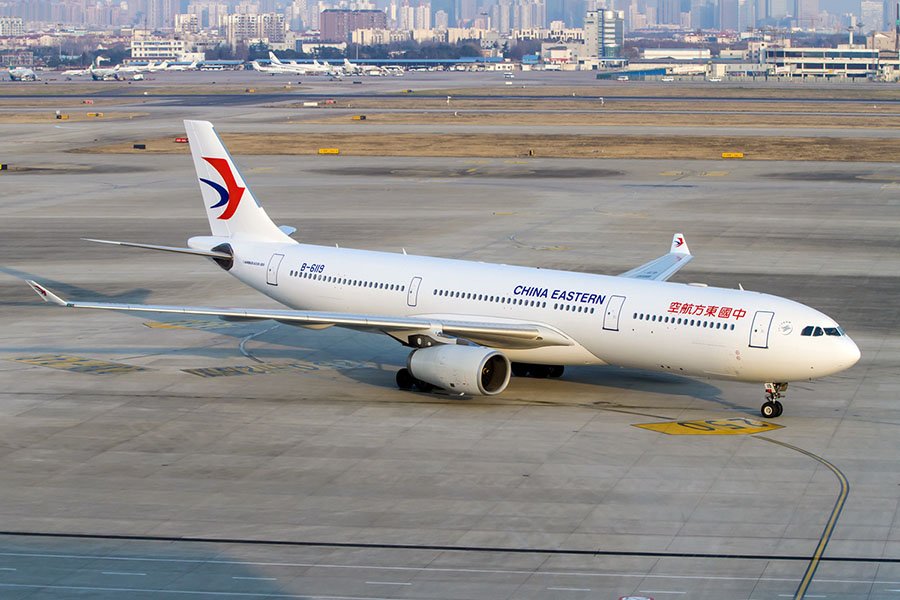
Photo: Wikimedia
Asia’s air travel network has been thrown into chaos as 94 flights were canceled and 858 delayed, leaving thousands of passengers stranded in major hubs. Airlines including China Eastern, Hainan Airlines, Shenzhen Airlines, All Nippon Airways, Korean Air and Malaysia Airlines are facing severe operational strain. Beijing Capital, Shanghai Pudong, Shanghai Hongqiao, Narita, Fukuoka and Kuala Lumpur have become epicenters of frustration as passengers endure long waits, missed connections and uncertainty.
Beijing has recorded 29 cancellations and 61 delays, causing major disruption across domestic and international routes. Shanghai’s two major airports—Hongqiao with 20 cancellations and 123 delays, and Pudong with 15 cancellations and 168 delays—are experiencing gridlock with schedules collapsing under weather and traffic pressures. Shenzhen reported only three cancellations but an extraordinary 232 delays, making it one of the worst-affected hubs in the region.
Japan and Southeast Asia struggle with spillover effects
Narita International Airport, despite minimal cancellations, remains heavily affected by cascading delays from neighboring airports. Fukuoka, a key entry point for southern Japan, has been hit with two cancellations and 30 delays, disrupting domestic travel across Kyushu. Airports in Kuala Lumpur and wider Southeast Asia report overcrowded terminals and strained operations as the ripple effect intensifies.
These disruptions highlight the structural fragility of Asia’s densely interconnected aviation system, where operational issues in one city can rapidly trigger region-wide delays.
Multiple factors converge to create aviation paralysis
The crisis stems from a combination of severe weather, airspace congestion and operational failures. Intense rainfall, storms and poor visibility in Beijing, Shanghai and Narita forced air traffic controllers to restrict departures and landings. As Asia moves through one of its busiest travel periods, airspace saturation has intensified bottlenecks, forcing airlines to repeatedly revise flight plans.
Simultaneously, mechanical issues and crew shortages have compounded the problem for several carriers, making recovery slow and difficult. With aircraft out of rotation and staff stretched thin, airlines are struggling to stabilize disrupted schedules.
Passengers face growing difficulties and industry pressures
Business travelers are missing critical meetings and events, incurring substantial financial and logistical losses. Holidaymakers attempting to reach destinations such as Tokyo, Shanghai and Kuala Lumpur are facing last-minute cancellations and uncertain rebooking timelines.
Airports are experiencing extreme overcrowding as thousands of passengers remain stranded. Seating shortages, long queues and difficulties accessing food and essential services have pushed terminal infrastructure to its limits. Meanwhile, tourism operators in China, Japan and Malaysia report a sharp decline in arrivals as cancellations ripple through local economies.
When recovery can be expected
Aviation authorities and airlines expect the disruption to extend for several days. Recovery is likely to be gradual, depending on clearance of airspace congestion, fleet repositioning and restoration of full crew availability. While some improvements are expected soon, the full normalization of schedules will require significant operational effort and cooperation between airlines and airport authorities.
Expert conclusion from International Investment:
The large-scale disruption across Asia’s aviation system underscores the need for more resilient infrastructure and operational planning. Weather volatility, capacity constraints and technical vulnerabilities highlight the pressures facing one of the world’s busiest air travel regions.
Подсказки: Asia, aviation, flight delays, cancellations, airports, Beijing, Shanghai, Narita, Kuala Lumpur