







 Vietnam Mortgage Surge Pushes Homes Out of Reach
 Lithuanian Apartment Prices Accelerate Across Major Cities
 London Flats Lose Value Ahead of Leasehold Reform
 Construction of the Batumi–Sarpi Highway Begins in Georgia
 Baltic Property Investment Accelerates in 2026
 Hong Kong and Singapore Renew Their Expat Rivalry
Japan’s New Condo Prices Reach Record High
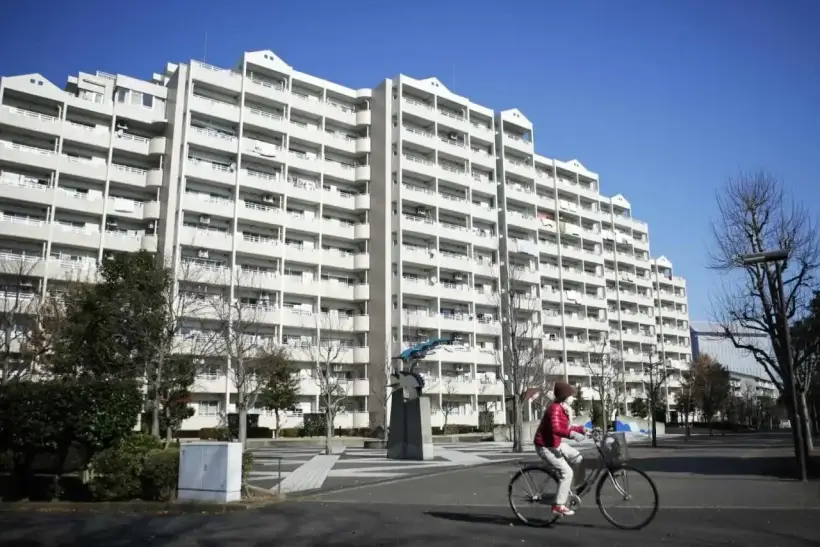
Japan’s housing market continued its upward price trajectory in 2025, with the average price of newly built condominiums reaching a record level for the ninth consecutive year. Rising construction costs and strong demand in major metropolitan areas were the key drivers behind the increase.
According to data from the Real Estate Economic Institute, the average price of new condominiums nationwide rose 7.8% year-on-year to ¥65.56 million per unit. The growth was largely led by the Tokyo metropolitan area, which accounts for nearly 40% of newly supplied units in the country.
Tokyo metropolitan area drives national price growth
The most significant increase occurred in the Tokyo metropolitan region, which includes Tokyo and the neighboring prefectures of Kanagawa, Saitama and Chiba. In this region, the average price of newly built condominiums surged 17.4% in 2025 to reach ¥91.82 million.
The sharp increase reflects strong housing demand in Japan’s economic center combined with limited land availability for new development. Rising land prices and higher construction costs have further intensified price pressures on new projects.
Regional markets show mixed price dynamics
Outside the Tokyo region, housing price trends varied considerably. In the Kinki region, which includes Osaka, Kyoto and Kobe, the average price of new condominiums declined slightly by 0.5% to ¥53.28 million.
Several cities also recorded noticeable price corrections. The average price fell 2.1% to ¥57.66 million in Sendai, 11.4% to ¥39.41 million in Nagoya, 2.3% to ¥52.48 million in Hiroshima and 5.2% to ¥53.05 million in Fukuoka.
Meanwhile, Sapporo saw strong price growth, with the average price rising 17% to ¥60.22 million as several high-end developments entered the market.
Compact apartments reshape the housing market
One factor behind declining average prices in some regional cities is the growing share of compact apartments entering the market. Developers are increasingly offering units ranging from 30 to 50 square meters, as well as studio-style “one-room” condominiums.
This shift reflects rising construction costs and changing demographics. Japan’s shrinking household size and increasing number of single residents are boosting demand for smaller housing units, which are also popular among property investors seeking rental income.
Although average unit prices have declined in some cities, prices per square meter remain relatively high.
New housing supply rises for the first time in four years
Across Japan, the number of newly launched condominiums increased by 0.8% in 2025 to reach 59,940 units. This marks the first increase in supply after four consecutive years of decline.
However, supply trends differ significantly by region. In the Tokyo metropolitan area the number of new units fell by 4.5%, while in the Kinki region new supply rose by 11.8%.
These developments highlight the evolving structure of Japan’s housing market, where strong price growth in major metropolitan areas coexists with more moderate or fluctuating trends in regional cities.
As experts at International Investment report, the record rise in condominium prices reflects deeper structural shifts in Japan’s housing sector, including rising construction costs, demographic changes and growing investor demand. In the coming years, maintaining housing affordability while sustaining development activity will remain a key challenge for Japan’s real estate market.