







read also
 China Nears a Decision on Fresh Stimulus
 Fines for Illegal Rentals in Spain Reach €800,000
 Australia’s Spring Auctions Rise but Remain Well Below 2025
 Number of Foreigners Holding Turkish Residence Permits Exceeds 1.27 Million
 Demand from Russian Tourists for Holidays in Georgia Rises by 20–25%
 Montenegro Property Buying Costs in 2026
Germany’s Planned Tax Cuts for 2026. Bundestag backs a new tax relief package
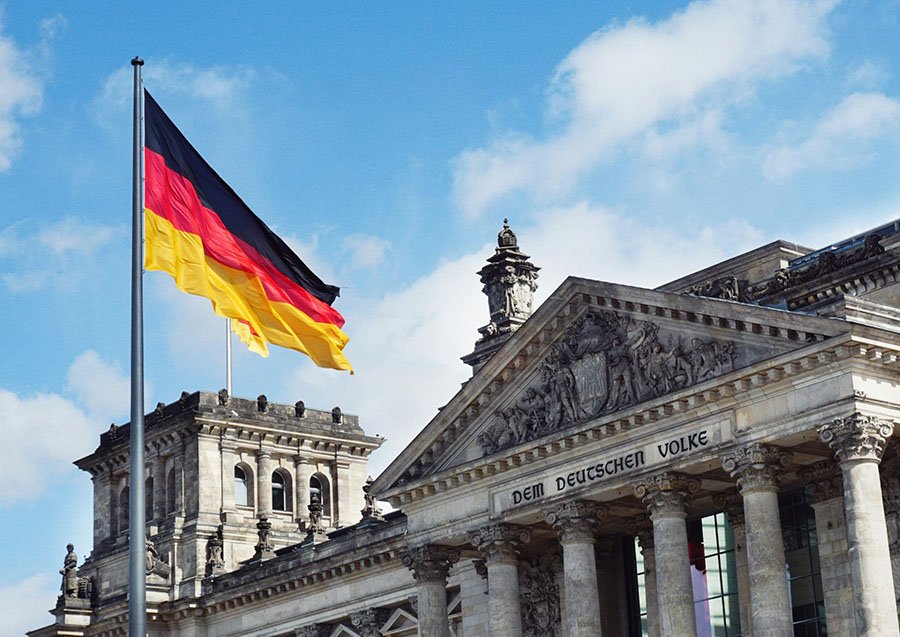
Photo: Unsplash
In December 2025, Germany’s Bundestag approved a package of tax cuts set to apply from 2026, pending final approval by the Bundesrat. The measures target commuting costs, hospitality VAT, tax-free allowances for volunteers and trainers, as well as selected political and sporting incentives. While the government frames the reform as economic relief, critics argue that the benefits will be felt unevenly across income groups.
Higher commuter allowance from the first kilometre
A central element of the reform is the expansion of Germany’s commuter allowance. From 2026, the rate will rise to 38 cents per kilometre and apply from the very first kilometre travelled, rather than only after the twentieth. This change increases deductible work-related expenses for employees and may lead to higher income tax refunds, particularly for those commuting longer distances.
Permanent VAT cut for hospitality businesses
The package also introduces a permanent reduction of VAT for restaurants, cafés and other hospitality venues, lowering the rate from 19% to 7%. Initially adopted as a temporary pandemic measure, the reduced rate is now intended to support price stability, business resilience and employment in a sector still adjusting to higher operating costs and inflationary pressures.
Tax relief for volunteers and trainers
Social engagement is another focus of the reform. From 2026, tax-free allowances for trainers and volunteers will increase. Trainers, including sports coaches and cultural instructors, will benefit from a tax-free threshold of €3,330 per year, while volunteers will see their allowance rise to €960. The aim is to strengthen civic participation and ease the financial burden on those supporting community activities.
Political donations and Olympic bonuses
Further changes include doubling the maximum tax-free amounts for donations to political parties. In addition, bonuses awarded to Olympic medal winners will no longer be subject to tax, a move intended to recognise athletic achievement and promote elite sports.
Budget pressure and Bundesrat uncertainty
Despite Bundestag approval, the measures still require consent from the Bundesrat, where Germany’s federal states have raised concerns. The tax cuts are expected to cost state budgets around €11.2 billion between 2026 and 2030. With the federal government ruling out compensation, resistance from financially strained states could still delay or block the reform.
According to International Investment experts, Germany’s proposed 2026 tax cuts signal a push toward economic relief and social incentives, but their final impact will depend on Bundesrat approval and the long-term sustainability of public finances.