







read also
 Vietnam Mortgage Surge Pushes Homes Out of Reach
 Lithuanian Apartment Prices Accelerate Across Major Cities
 London Flats Lose Value Ahead of Leasehold Reform
 Construction of the Batumi–Sarpi Highway Begins in Georgia
 Baltic Property Investment Accelerates in 2026
 Hong Kong and Singapore Renew Their Expat Rivalry
German Real Estate Funds Lose Investors as Yields Fall
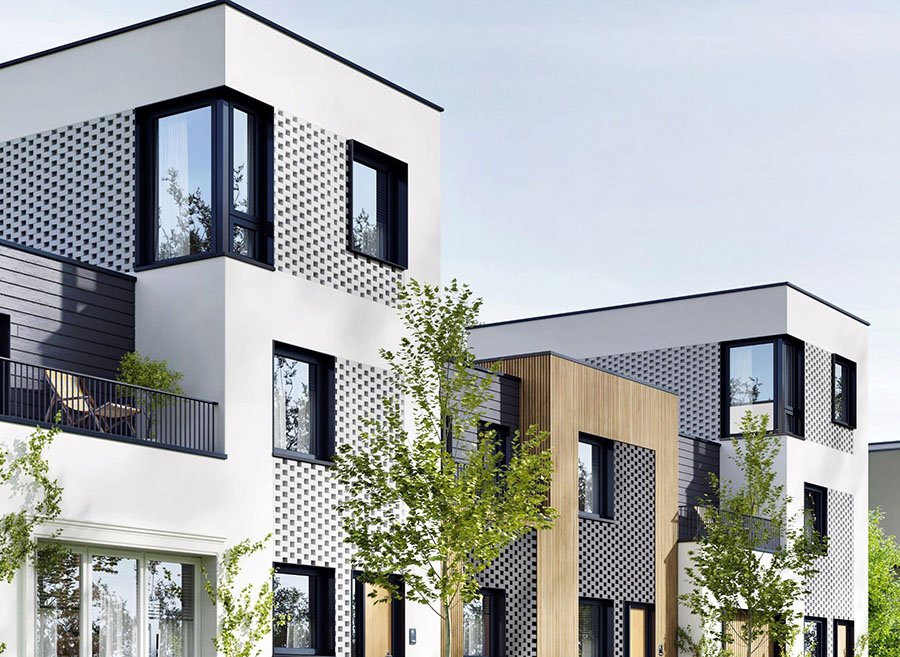
Photo: CBRE
Investors have withdrawn more money from Germany’s open-ended real estate funds in the first ten months of 2025 than in the whole of 2024, Bloomberg reports, citing Bundesbank data. This reflects the prolonged impact of the crisis on the sector, where funds are losing their appeal amid asset revaluations and declining returns.
In October alone, additional outflows of €496 million were recorded, bringing the total for the first ten months to €6.2 billion. By comparison, for the whole of 2024 investors withdrew €5.9 billion from such funds. It is also important to note that redemptions are paid out with a twelve-month delay.
Experts point out that many redemption decisions were made during the period of strongest pressure on the market, triggered by the European Central Bank’s sharp interest rate hikes. At that time, funds were revising the value of their portfolios. One of the most notable examples was the platform managed by Union Investment (DZ Bank), which cut asset valuations by 17% — one of the largest downward adjustments in the market. According to Scope Ratings, the return on open-ended mutual real estate funds fell to minus 1.3% last year, making them significantly less attractive compared to other asset classes.
CBRE notes in its report that Germany’s multifamily residential market has started to recover. In the first nine months of 2025, transaction volume reached €6 billion — 25% more than a year earlier. The market is shaped mainly by smaller individual deals, while prime yields in the largest cities remain stable at around 3.40%.
Transactions involving properties under construction have almost doubled and now account for 35% of all deals. The share of foreign investors has risen to 34%, and private landlords and REIT structures are recording positive net investment flows for the first time since 2020. By the end of December, volumes are expected to reach up to €8 billion. Supply remains tight: the number of building permits is low, while demand is growing. Marketing periods are shortening — rental apartments stay on the market for around 30 days, properties for sale for about 65 days. Lending to the residential sector has increased by only 1.6–1.9%. Rents in the 20 largest cities have risen by more than 5%. Prices in the biggest markets have grown by 1.4%, with the average level at around €4,080 per square meter. CBRE expects further rental growth and moderate price increases, supported by steady demand and low volumes of new construction.
Experts from Cushman & Wakefield report the first signs of improvement in Germany’s commercial investment market after a period of volatility: in the first three quarters of 2025, transaction volume reached €16.1 billion. Interest from both domestic and international investors is growing. Special funds are showing particularly strong dynamics: their number has doubled over the past decade, and assets under management have started to increase again after the correction.
New vehicles are focusing on segments with yields of up to 6% — logistics, residential and healthcare properties. By August 2025 alone, European real estate funds had raised €20 billion — more than in the whole of 2024. According to Cushman & Wakefield, the German market could close the year at up to €24 billion and rise to €25–30 billion in 2026.
Analysts at International Investment note that the recovery remains uneven. The housing shortage supports the rental segment and partially stabilises the multifamily sector, but weak economic activity in Germany continues to weigh on commercial real estate. Offices remain the most vulnerable segment: demand is low, asset repricing is slow and investors remain cautious. Further market developments will depend on an improvement in macroeconomic conditions and the ability of market participants to adapt to changing demand.