













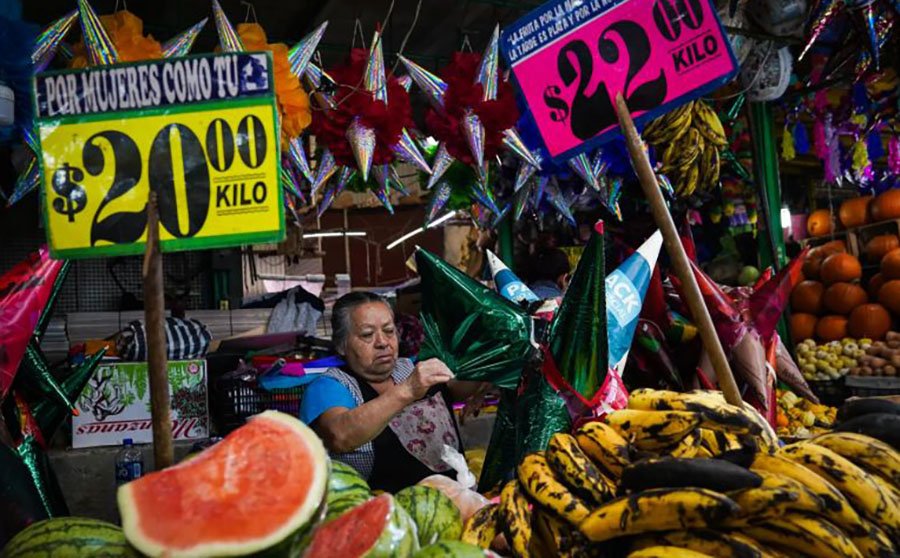
Photo: Bloomberg
Emerging markets are heading into 2026 with renewed confidence after delivering one of their strongest performances in more than a decade. Capital inflows into the asset class in 2025 were the largest since 2009, reinforcing expectations among money managers that a multi-year investment cycle may be taking shape.
Diversification away from the US gains momentum
A major driver of the shift has been investors’ desire to diversify away from US assets after years of dominance by American equities, particularly large-cap technology stocks. Developing economies are increasingly attractive due to progress in reducing debt, bringing inflation under control and strengthening macroeconomic frameworks compared with previous cycles.
Best performance since the late 2000s
Emerging-market equities outperformed their US counterparts for the first time since 2017. Yield spreads between emerging-market bonds and US Treasuries narrowed to their lowest level in 11 years, while carry trade strategies delivered their best returns since 2009. These dynamics helped draw both institutional and speculative capital back into the sector.
Banks turn more bullish
Major investment banks have reinforced the positive outlook. JPMorgan Chase and Morgan Stanley expect emerging markets to benefit from a weaker dollar and accelerating global investment in artificial intelligence. JPMorgan forecasts up to $50 billion of inflows into emerging-market debt funds in 2026 and sees further upside in local-currency bonds and foreign exchange even under a moderately stronger dollar scenario.
Underweight positioning still offers upside
Despite the rally, emerging markets remain underrepresented in global portfolios. US-listed ETFs focused on emerging-market equities attracted about $31 billion in 2025, while emerging debt funds took in more than $60 billion. These inflows follow cumulative outflows of $142 billion over the previous three years, suggesting ample room for further reallocation.
Dollar and China risks remain in focus
Risks have not disappeared. China’s deflationary pressures and excess capacity could weigh on other developing economies, while the outlook for the US dollar remains a key variable. Although the dollar’s 8% decline in 2025 supported emerging assets, a rebound driven by Federal Reserve policy could test investor conviction. Still, high real yields in emerging-market debt continue to provide a strong buffer.
As International Investment experts report, the combination of strong 2025 performance and structural shifts in global asset allocation positions emerging markets well for 2026. If macro stability holds and currency risks remain manageable, the sector may be entering a sustained investment phase rather than a short-lived rebound.