







read also
 Vietnam Mortgage Surge Pushes Homes Out of Reach
 Lithuanian Apartment Prices Accelerate Across Major Cities
 London Flats Lose Value Ahead of Leasehold Reform
 Construction of the Batumi–Sarpi Highway Begins in Georgia
 Baltic Property Investment Accelerates in 2026
 Hong Kong and Singapore Renew Their Expat Rivalry
Investor Optimism in Germany Reaches a Four-Year High
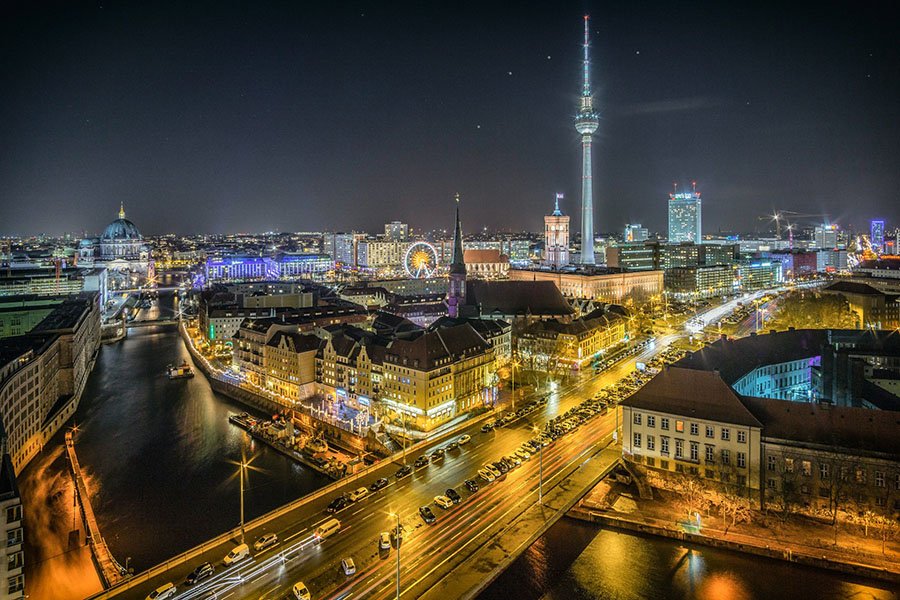
Photo: Unsplash
At the start of 2026, investor sentiment in Germany improved and returned to its highest level in the past four and a half years, Bloomberg reports, citing the January survey by the ZEW Center for European Economic Research. Market participants expect a recovery in industry and an acceleration of economic activity after a prolonged downturn, supported by a large-scale government spending program.
Developments in 2025
The prolonged industrial downturn persisted throughout 2025. Output in the manufacturing sector declined by 1.3%, while the construction industry recorded an even steeper contraction of 3.6%. The long-running rise in employment came to a halt, with the number of industrial jobs falling markedly.
Exports to the US dropped by almost 8%, primarily due to cars and auto components. Shipments to China declined even more sharply. Against this backdrop, major automakers including Volkswagen and BMW reported falling sales in key external markets. According to estimates by German authorities, the automotive sector could lose around 100,000 jobs by the end of the decade.
Economic pressures were compounded by external factors. The energy crisis, restricted access to key resources, US trade policy, and rising competition from China continue to weigh on Germany’s industrial model.
Economic Turnaround
In recent months, the first signs of a turnaround have emerged. Industrial orders and output rose strongly in October and November, supported by defense contracts. Against this backdrop, Rheinmetall raised its full-year outlook, reinforcing expectations of a gradual exit from the prolonged economic slump.
According to the Federal Statistical Office Destatis, Germany’s GDP increased by 0.2% in 2025 after two consecutive years of contraction. An identical rise was recorded in the fourth quarter.
Household consumption and government spending provided support to the economy. Investment continued to decline, while foreign trade remained a drag on GDP growth. The structure of the recovery still relies heavily on fiscal support and domestic demand.
Improving Expectations
The government of Chancellor Friedrich Merz is seeking to reverse the situation through large-scale public spending. Funds are being directed toward upgrading infrastructure and strengthening defense capabilities. Experts believe this fiscal impulse could lift economic growth above 1% in the coming years, while stressing that structural reforms are essential for a sustainable recovery.
The ZEW expectations index rose to 59.6 points in January from 45.8 points a month earlier. Analysts’ consensus forecast had pointed to a more moderate increase to 50 points. The assessment of current economic conditions also improved, indicating a broad-based strengthening of sentiment rather than a short-term surge in optimism.
ZEW President Achim Wambach described 2026 as a potential turning point for the German economy. In his view, positive expectations are creating a window of opportunity, but without further efforts to enhance the country’s investment appeal, sustainable growth will remain out of reach. The institute emphasizes that improved sentiment does not eliminate questions over Germany’s long-term competitiveness.
Bloomberg Economics analysts forecast GDP growth of 0.8% for Germany in 2026, pointing to risks that fiscal stimulus may feed through the economy more slowly and less strongly than expected. Subdued business sentiment at the start of the year could restrain the pace of recovery despite improvements in selected industrial indicators.
Geopolitical Risks
Tensions surrounding Greenland and statements by Donald Trump on the possible introduction of additional trade tariffs have increased risks to Germany’s economic recovery. Against the backdrop of potentially tighter trade conditions, the European Union is discussing retaliatory measures, including tariffs on US goods worth €93 billion. More forceful steps are also not ruled out if Washington does not back away from further restrictions. These factors could adjust investor expectations in the coming months, despite the marked rise in optimism at the beginning of the year.
According to analysts at International Investment, the current dynamics point to the formation of a phase of cautious recovery, though its sustainability will depend on the pace of fiscal implementation and the economy’s ability to adapt to changing global trade conditions. In the short term, budgetary support remains the key driver, while without structural reforms and a recovery in external demand, downside risks persist.