







read also
 China Nears a Decision on Fresh Stimulus
 Fines for Illegal Rentals in Spain Reach €800,000
 Australia’s Spring Auctions Rise but Remain Well Below 2025
 Number of Foreigners Holding Turkish Residence Permits Exceeds 1.27 Million
 Demand from Russian Tourists for Holidays in Georgia Rises by 20–25%
 Montenegro Property Buying Costs in 2026
Hospitality Branding Enters a Hybrid Era
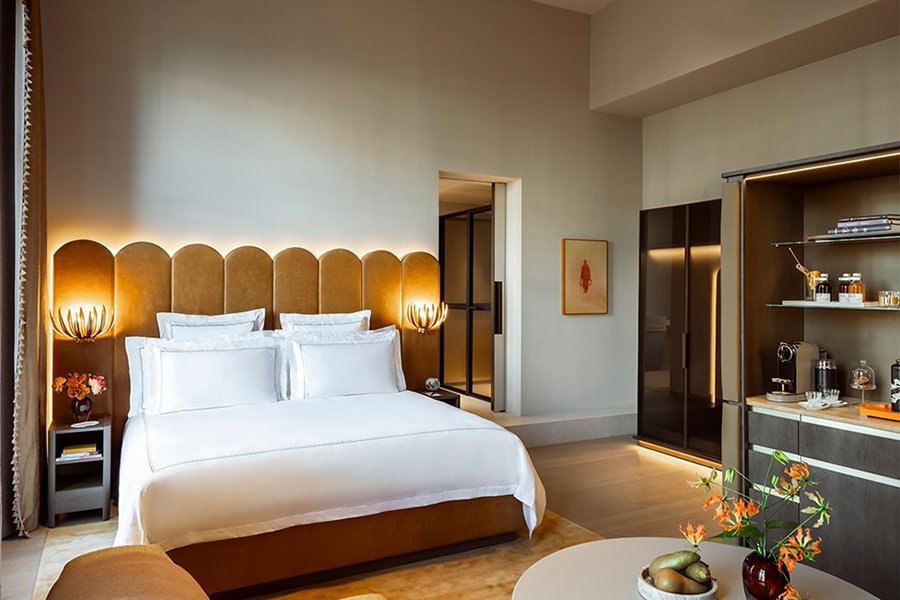
Photo: Stedenbouw
Hospitality branding in 2026 is no longer driven by a single dominant force. According to Sean Danson, founder of New Pantheon, the future is being shaped by collisions between technology and humanity, stillness and stimulation, global scale and local depth. The strongest brands are emerging as hybrid by design, intentionally built from the tension between opposing cultural energies.
From sustainability to regeneration
Sustainability has become a baseline expectation rather than a differentiator. What sets brands apart in 2026 is a shift toward regeneration. Hotels are increasingly expected to leave places, communities, and ecosystems better than they found them. Hospitality is evolving into a restorative force rather than a model focused solely on reducing harm.
AI as brand infrastructure
Artificial intelligence is no longer positioned as a visible innovation layer. It is becoming an invisible infrastructure that powers personalization, pricing, operations, and guest communication. The challenge for brands is ensuring that AI enhances the human experience instead of overshadowing it.
Quiet luxury and conscious comfort
The industry is moving away from overt displays of luxury toward a more restrained, emotionally intelligent approach. Guests increasingly value calm, authenticity, and depth over spectacle. This form of quiet, conscious luxury is becoming central to premium and lifestyle brand identities.
Immersive storyworlds redefine identity
Brands are expanding beyond logos and messaging into immersive story-driven environments. In 2026, successful hospitality brands create worlds guests can step into, where design, service, food, and human interaction collectively express a coherent narrative. The guest experience becomes participatory rather than transactional.
Employee culture becomes brand culture
Internal culture is now a visible part of the brand. The way employees interact with guests, express values, and embody the brand’s purpose plays a defining role in perception. Emotional texture and human behavior are no longer backstage elements but core brand assets.
As noted by International Investment experts, the rise of hybrid branding reflects a deeper transformation in hospitality economics. In a market shaped by rising costs and more discerning guests, brands that successfully blend technology with empathy, sustainability with profitability, and global reach with local meaning are better positioned for long-term value creation. For investors, emotional and cultural resonance is becoming as critical as operational efficiency.