







read also
 Vietnam Mortgage Surge Pushes Homes Out of Reach
 Lithuanian Apartment Prices Accelerate Across Major Cities
 London Flats Lose Value Ahead of Leasehold Reform
 Construction of the Batumi–Sarpi Highway Begins in Georgia
 Baltic Property Investment Accelerates in 2026
 Hong Kong and Singapore Renew Their Expat Rivalry
New York LaGuardia Disruptions Ripple Across US Network
LaGuardia at the epicenter of cancellations
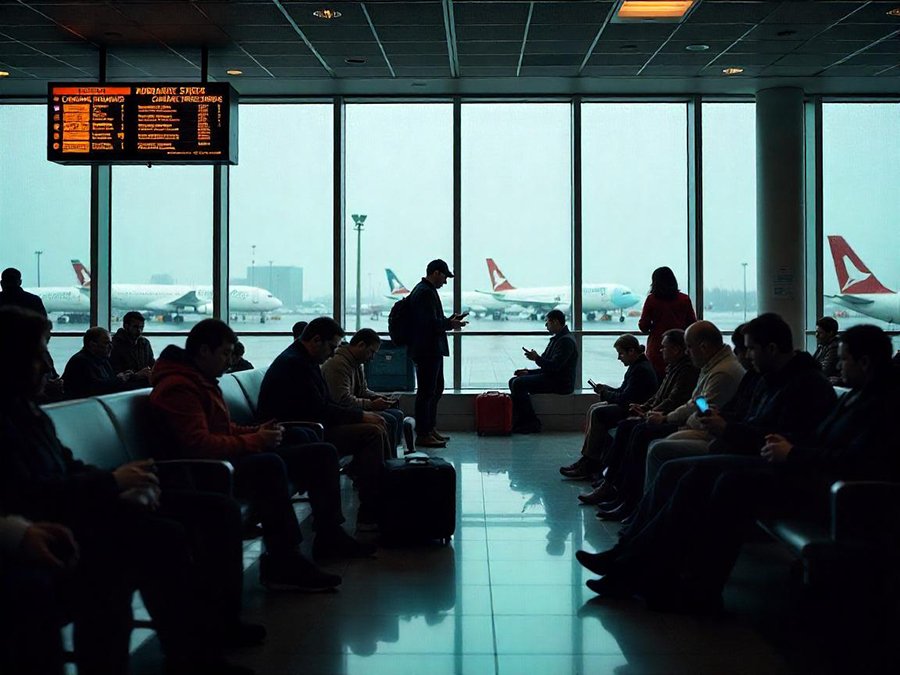
Photo: Travel and tour world
New York’s LaGuardia Airport became the focal point of nationwide travel disruption on January 28, 2026, after 250 flights were cancelled and a further 348 delayed. The combined total of 598 disruptions made LaGuardia one of the most severely affected airports in the United States during the winter weather event, triggering knock-on effects across domestic and cross-border routes.
The airport was equally affected as both a point of departure and arrival, intensifying congestion and complicating recovery for airlines operating short-haul and regional schedules.
Regional carriers absorb the heaviest impact
Regional airlines accounted for the bulk of cancellations. Republic Airways was the hardest hit, grounding 140 flights and delaying dozens more, while Endeavor Air, operating under the Delta Connection brand, recorded the highest number of delays among all carriers at LaGuardia. American Airlines also experienced substantial disruption, reflecting the vulnerability of hub-feeding operations during periods of concentrated weather stress.
Mainline carriers including Delta Air Lines, JetBlue, Southwest Airlines and United Airlines saw fewer outright cancellations, but persistent delays disrupted schedules throughout the day.
Spillover across major US and Canadian airports
Disruption at LaGuardia quickly spread across airline networks. Boston Logan, Dallas–Fort Worth, Cleveland Hopkins and Norfolk International airports all recorded cancellations and delays tied directly to New York operations. International spillover was also evident, with repeated impacts at Toronto Pearson, highlighting the sensitivity of short-haul cross-border routes between the US and Canada.
Even airports with relatively low absolute flight volumes experienced high cancellation ratios, amplifying passenger disruption beyond the New York metropolitan area.
Network congestion and passenger impact
With LaGuardia constrained on both arrivals and departures, aircraft rotations and crew schedules were displaced across the system. Passengers faced missed connections, prolonged waits and limited rebooking options, particularly on regional and feeder routes where alternative capacity was scarce.
Conclusion
According to International Investment experts, the LaGuardia disruption underscores how localized operational stress at a major short-haul hub can rapidly cascade through the broader US aviation network. Heavy reliance on regional carriers, combined with winter weather exposure, continues to represent a structural vulnerability for domestic air travel, particularly in densely interconnected markets like the US Northeast.