













Aviation Trends 2026: Investment, Route Networks, Digitalization
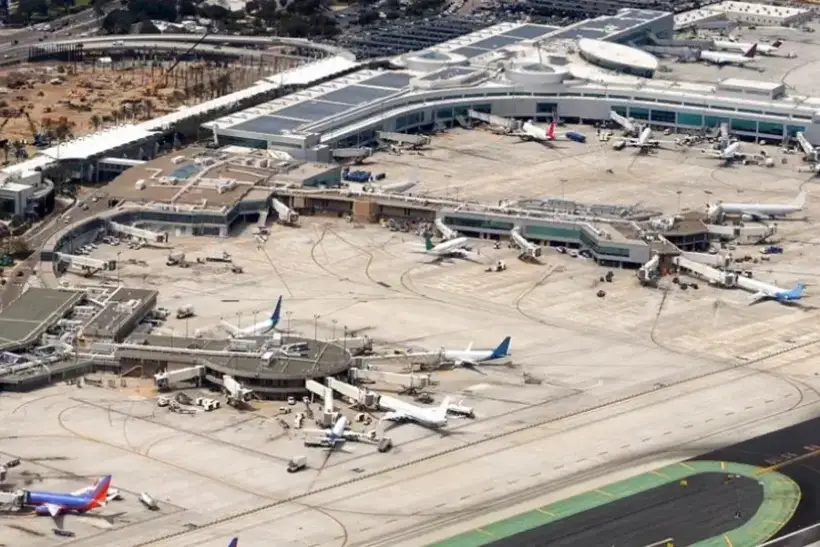
How Private Capital and Technology Are Transforming Airports
The global aviation industry is entering a phase of structural transformation. Key drivers include investment in airports, the expansion of airline route networks, and the implementation of digital solutions. These processes are reshaping the strategies of carriers, airport operators, and asset owners, as noted in JLL’s 2026 Aviation Trends report.
Private Capital and Airport Investment in 2026
Growing passenger volumes and expanding airline networks are driving large-scale capital expenditure. In the EMEA region, the focus is on modernizing existing terminals and increasing capacity. In the Asia-Pacific region, new airport construction is advancing more actively.
The investment momentum is largely fueled by private capital. In countries with airport privatization models, investors gain direct access to large-scale projects. In the United States, privatization remains limited; however, public-private partnership mechanisms are widely used. One example is The New Terminal One at JFK International Airport, delivered through a PPP model and designed to meet modern standards of design and operations.
The inflow of capital is increasing demand for professional expertise. Airport operators are engaging real estate and project management consultants to implement development programs that exceed internal capabilities.
Airline Route Networks and Demand for Airport Real Estate
The pace of recovery remains uneven across regions. In the Asia-Pacific region, departures are 5.5% above historical levels. In EMEA and North America, they remain below previous peaks by 9.4% and 3.2%, respectively.
Differences in growth trajectories are shaping new models of network expansion. As airlines enter new markets, they require crew bases, operations centers, and support facilities. Managing property portfolios across multiple jurisdictions with differing regulatory frameworks is becoming more complex. In this environment, strategic planning of aviation real estate and location optimization are gaining importance.
Airport Digitalization and the Transformation of the Passenger Experience
Technology has become a core competitiveness factor. Lounges and commercial areas are evolving into digitally enabled service environments. Airlines are forming partnerships with financial institutions and global brands, creating more sophisticated operating models within terminals.
Research indicates that 63% of travelers believe artificial intelligence integration enhances personalization, while 69% are willing to pay a premium for high-quality experiences. These figures confirm sustained demand for technology-enabled airport spaces.
Integrating digital systems requires rethinking terminal and commercial space design. Facilities must remain flexible and adaptable to new service formats while maintaining operational efficiency.
Passenger Growth and Investment Dynamics in the Aviation Market
The global air transport market continues to expand. The International Air Transport Association (IATA) forecasts passenger traffic growth of 4.9% in 2026. An expected net profit margin of around 3.9% suggests continued profitability, albeit with high sensitivity to external factors.
Expanding traffic supports the investment cycle. Industry estimates suggest that the global airport infrastructure market could exceed USD 120 billion in 2026, with an average annual growth rate of around 5%. The financial model of airports is also evolving. According to ACI, total global airport revenues reached approximately USD 146 billion in 2023, with commercial activities remaining a key source of income. These indicators provide the foundation for investment strategies in 2026.
Risks and Strategic Implications for Aviation Real Estate
Low profit margins increase the industry’s vulnerability to fuel price volatility, geopolitical constraints, and route adjustments. Airspace restrictions and rerouted corridors raise operating costs and affect network economics. A gap remains between passenger traffic recovery and the financial performance of operators, increasing the need for efficient asset management.
Analysts at International Investment note that the combination of private capital deployment, route network expansion, and digital transformation creates a complex yet promising environment for aviation real estate. Competitiveness will depend on the ability to integrate infrastructure development, strategic portfolio management, and technological solutions.
In 2026, aviation real estate is consolidating its position as a distinct investment segment. Growth potential remains significant, though its realization will require strong managerial flexibility and careful consideration of industry risks.