







 Turkey Is Losing Its Cheap-Holiday Advantage
 Development Is Rewriting Southeast Asia’s Historic Districts
 How Ukraine’s New-Build Housing Market Has Changed Over Four Years
 European Prime Rents Rise as Property Yields Turn Higher
 The Most Expensive Airlines in Europe in 2026
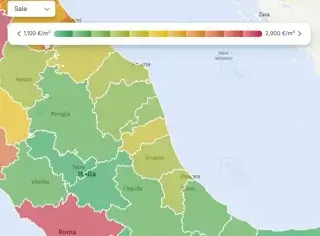 Housing Prices in Italy Reach a Two-Year High
China Drops “Three Red Lines” Policy for Property Developers

Policy Shift Marks Major Change in Real Estate Regulation
China has reportedly dropped enforcement of its long-standing “three red lines” policy, a regulatory framework introduced in 2020 to limit the debt burden of property developers. Under the previous regime, firms seeking fresh financing had to meet strict caps on debt-to-cash, debt-to-assets and debt-to-equity ratios. Local media reports in early 2026 suggested that developers are no longer required to submit monthly data tied to these leverage metrics, pointing to a significant shift in Beijing’s approach to managing the beleaguered property sector.
Past Impact of the Policy on the Sector
The “three red lines” policy was designed to rein in excessive borrowing and speculative growth in the real estate industry. However, it contributed to a credit crunch among developers, many of whom defaulted on obligations, and was a key factor in the broader debt crisis that has weighed on China’s housing market for years. Major developers such as Evergrande were pushed into liquidation, while others like Country Garden underwent complex restructuring to avoid defaults.
Relaxation of these rules has been interpreted by investors as a sign that regulators seek to ease financing pressures on developers. The market reacted positively to the reports, with property and related equity indices in mainland and Hong Kong markets rallying as sentiment improved. However, analysts caution that the shift away from formal reporting obligations does not automatically translate into immediate improvements in financing conditions or demand.
Remaining Challenges in China’s Property Market
Despite the regulatory easing, deep-rooted issues persist. Oversupply, weak buyer confidence and ongoing economic headwinds continue to limit investment and sales. The property market remains in a prolonged adjustment phase, with financial institutions retaining a cautious stance on lending and many unfinished projects still weighing on the sector’s health. Analysts note that without broader support measures, merely dropping reporting requirements is unlikely to resolve the crisis fundamentally.
As International Investment experts note, China’s decision to relax the “three red lines” policy may ease operational constraints for developers and strengthen short-term market sentiment. However, enduring recovery will depend on substantive improvements in buyer confidence, financing access and structural reforms that address the long-standing imbalances in China’s real estate industry.