







 Vietnam Mortgage Surge Pushes Homes Out of Reach
 Lithuanian Apartment Prices Accelerate Across Major Cities
 London Flats Lose Value Ahead of Leasehold Reform
 Construction of the Batumi–Sarpi Highway Begins in Georgia
 Baltic Property Investment Accelerates in 2026
 Hong Kong and Singapore Renew Their Expat Rivalry
Dubai Faces Food Shortages Amid Middle East War
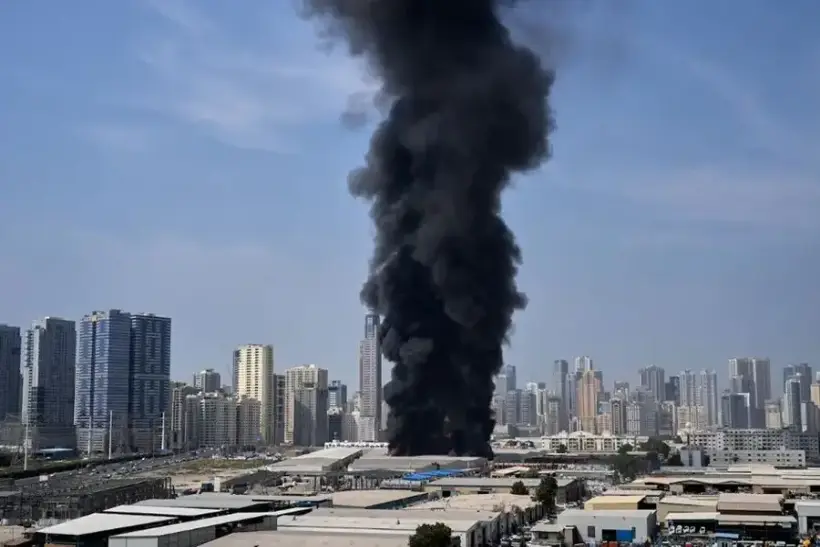
Dubai is facing a critical situation with fresh food supplies due to the ongoing war in the Middle East. Stefan Paul, head of the Swiss logistics company Kühne+Nagel, stated that stocks of fresh goods, including fruits and vegetables, will last roughly ten days. The main reason for the shortage is Iran’s blockade of the Strait of Hormuz, a key maritime route for cargo delivery and oil exports from Gulf countries, reports Blick.
Strait of Hormuz Blocked
The narrow Strait of Hormuz connects the Persian Gulf to the open ocean. Under normal conditions, up to one-third of the world’s tanker fleet carrying liquefied gas and the same proportion of oil passes through it. Currently, Iran is blocking passage for commercial vessels. Tracking systems show dozens of container ships and tankers anchored on both sides of the strait. They are waiting in neutral waters for the blockade to lift, but time is running out for those transporting perishable goods.
Dubai Left with Ten Days of Supplies
Dubai has historically not been an agricultural region. The emirate relies entirely on food imports: grains, meat, greens, and fruits. Most of these imports arrive by sea. Stefan Paul emphasizes that the situation in the fresh food segment is already near critical. Supplies will last about ten days. If the corridor is not reopened or alternative routes are not fully operational within this time, supermarket shelves will begin to empty.
Land Routes Won’t Solve the Problem
One potential solution is delivering goods by air to ports in Saudi Arabia, followed by trucking across the land border into Dubai. However, this plan falters due to scale. A single large container ship carries up to twenty thousand containers. Finding enough trucks and trailers to transport them by land is physically impossible. There also aren’t enough cargo planes in the world to replace the sea routes.
Fertilizers at Risk
The Strait of Hormuz blockade threatens not only Dubai’s food supplies but also global food production. Bloomberg reports that roughly half of the world’s crops depend on nitrogen fertilizers. The production technology was invented over a century ago and has since been closely linked to natural gas.
The Persian Gulf is one of the world’s main fertilizer production centers. Over the past five years, countries in the region — Oman, Qatar, Saudi Arabia, the UAE, Bahrain, and Iran — exported $50 billion worth of nitrogen fertilizers. A large share of this production passed through the Strait of Hormuz. Now, with the strait blocked, supply chains that support wheat, corn, palm oil, and vegetable production worldwide are under threat.
Factories Shut Down
Gas supply disruptions in the region have already led to production stoppages. Indian factories are cutting urea output. Pakistan’s gas company Sui has stopped supplying gas to fertilizer plants. A Polish company has temporarily stopped taking orders.
Farmers in the Northern Hemisphere are preparing for planting, but fertilizer prices are soaring. In the U.S., import tariffs on urea are worsening the situation. Traders warn that crop yields will decline without fertilizers. As Bloomberg reports, Philip Sunderland, a fertilizer trader from Aquifert, said: “Between the time crops leave the field and food reaches your table, six to nine months pass. Inflation could skyrocket around Christmas.”
Oil Prices Rise
The Strait of Hormuz blockade has caused a sharp spike in oil and gasoline prices due to tanker delivery disruptions. Insurance rates for passage through the dangerous region have soared, and shipowners are rerouting vessels around Africa, adding weeks to shipping times. But the problem isn’t limited to fuel. Bloomberg notes that Indian basmati exporters are already struggling to find ships to deliver rice to the region. Olam Agri has imposed a $2,000 surcharge per container heading to the Middle East, meaning rice prices will rise for consumers worldwide.
Conclusion
Analysts at International Investment note that the food supply crisis in Dubai highlights the vulnerability of Gulf countries, which rely entirely on imports. The Strait of Hormuz blockade has restricted maritime routes for oil, gas, and fertilizers. Dubai’s fresh food stocks are limited to about ten days, and land and air alternatives cannot compensate for the volume of sea shipments.
Fertilizer shortages threaten global crop yields, and rising fuel and logistics costs are accelerating food inflation. The crisis exposes strategic weaknesses in the region’s economic model and underscores the need for supply diversification and more resilient logistics solutions.