







 Vietnam Mortgage Surge Pushes Homes Out of Reach
 Lithuanian Apartment Prices Accelerate Across Major Cities
 London Flats Lose Value Ahead of Leasehold Reform
 Construction of the Batumi–Sarpi Highway Begins in Georgia
 Baltic Property Investment Accelerates in 2026
 Hong Kong and Singapore Renew Their Expat Rivalry
Spain launches anti-crisis package: from fuel tax cuts to rent freeze
On March 22, 2026, a package of measures by the Spanish government aimed at mitigating the economic impact of the Middle East conflict came into effect. The total budget of the initiatives reaches €5.8 billion. The goals of the new measures are to support citizens, businesses, and key economic sectors, ensure energy supply, and promote the transition to renewable energy sources.
Reducing electricity and fuel costs
One of the key directions of the package is reducing the tax burden on energy. The VAT on electricity has been lowered from 21% to 10%. At the same time, the 7% generation tax has been temporarily suspended, and the special levy for consumers has been reduced from 5.11% to the minimum rate of 0.5%.
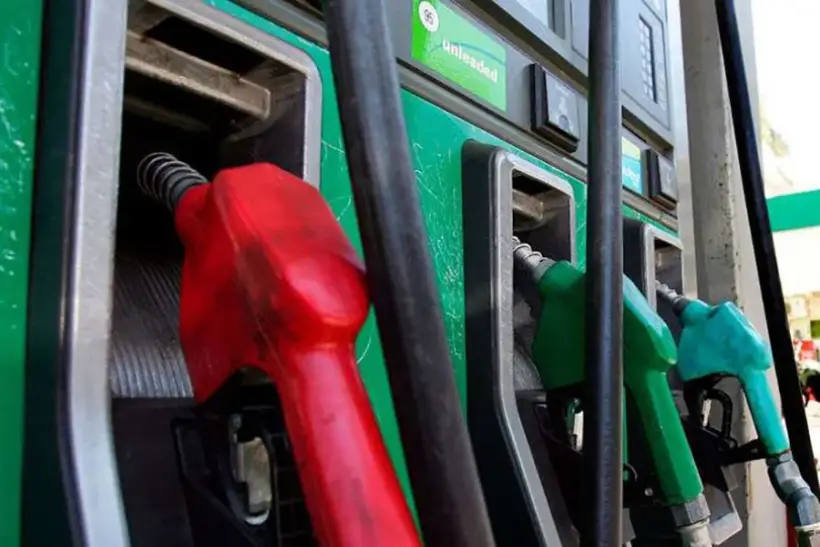
For gas, the VAT rate also drops from 21% to 10%, while prices for butane and propane are frozen. In the fuel sector, the tax on gasoline, diesel, and other hydrocarbons is reduced to 10%, and fuel prices are set at the minimum level permitted by the EU. This will save up to €0.30 per liter of fuel and around €20 per average car tank.
Support for vulnerable groups and affected sectors
Benefits for socially vulnerable groups are increased: the electricity discount rises to 42.5% for vulnerable households and 57.5% for severely vulnerable households. The social heating bonus is increased to €50. Continuous water and energy supply is guaranteed.
Firing employees in companies receiving state anti-crisis subsidies is prohibited. Companies with more than 200 employees (or 100 per shift) are required to implement sustainable mobility plans to facilitate worker transportation.
Transport workers, farmers, livestock breeders, and fishermen receive direct payments of €0.20 per liter of diesel; similar measures apply to fertilizer purchases. The National Commission on Markets and Competition (CNMC) gains new powers to prevent abuse. An 80% discount on transmission and distribution tariffs is introduced for electricity-intensive industries, saving €200 million, while the agri-food and fisheries sector will receive an additional €300 million through subsidized ICO-MAPA-SAECA loans.
Development of renewables and electrification
The package includes tax deductions for installing solar panels, charging stations, and heat pumps, as well as new subsidies for building climate control. The distance for self-consumption of energy is extended from 2 to 5 km, and local energy communities are created.
Battery storage capacity is increased, hydro-pumped generation is declared of public utility, and depreciation of investments in renewable energy is freed from limitations. Municipalities may reduce property tax by up to 50% for owners of renewable energy systems and up to 95% for work and installation of equipment. A 15% tax deduction is available for the purchase of electric and plug-in hybrid vehicles.
Housing in Spain: rent freeze and contract extension
A second government decree provides for a temporary freeze on rent prices. Contracts expiring between March 21, 2026, and December 31, 2027, are automatically extended for two years. Prime Minister Pedro Sánchez noted that this decree does not yet have the support of a parliamentary majority, and the government is calling on all political forces to show “responsibility” in approving it. He stated that the measures will remain in effect as long as necessary.
Expert opinions
The Spanish trade union CCOO urged the approval of both packages, while the transport association Fenadismer said that fuel price cuts would have limited impact given the scale of the energy crisis.
Manuel Hidalgo, senior researcher at the Esade Centre, noted that the VAT reduction on electricity will directly benefit low-income households, while fuel tax breaks primarily benefit large companies that can increase profits.
Experts highlight that Spain’s package is one of the first in Europe aimed at mitigating the impact of the Gulf conflict on households, as rising oil and gas prices risk driving inflation and reducing economic activity.
Reuters adds that Italy has temporarily cut fuel excise duties, and Germany is considering a windfall tax on oil companies to finance commuter subsidies. The German Minister of Economics warned against impulsive measures that could create new market distortions.
Conclusion
Spain’s anti-crisis measures reflect the growing need to respond to external economic shocks caused by the Middle East war, rising energy prices, and increasing inflation. The government aims to balance short-term support for citizens and businesses with long-term goals—promoting the transition to renewable energy and enhancing economic resilience. The Spanish real estate sector is also highlighted as an important factor in supporting the economy.
Analysts at International Investment note that the effectiveness of the package will be limited by the scale of the energy crisis and political uncertainty. Part of the support—especially in the fuel sector—is mainly beneficial to large companies, which increases the risk of widening social inequality. There are also risks of fragmented and impulsive decisions by individual countries that could create new distortions in energy markets and the economy as a whole.
Rent freezes and industrial subsidies require parliamentary approval, and right-wing parties may block certain initiatives. For real estate investors, the new rules create a risk of lower returns and uncertainty in planning future investments. In the long term, these measures could slow market growth and reduce the attractiveness of the Spanish housing market, increasing pressure on the private sector and limiting flexibility in economic decision-making.
FAQ: Spain’s Anti-Crisis Package
What happened?
The Spanish government launched a €5.8 billion package to mitigate the economic impact of the Middle East war, including energy tax cuts, sectoral subsidies, and rent freezes.
When did the measures take effect?
The package came into effect on March 22, 2026, the day after its publication in the BOE.
What are the main areas of support?
Reduction of taxes on electricity and fuel, subsidies for farmers, transport workers, energy-intensive industries, and the agri-food sector, incentives for renewable energy installations, and tax deductions for electric vehicles.
What about housing?
Temporary rent freezes and automatic contract extensions for leases expiring between March 21, 2026, and December 31, 2027, for a period of two years.
Who benefits most from the measures?
Socially vulnerable households, large industrial enterprises, and key sectors of the economy sensitive to rising energy prices.
What risks do experts highlight?
Experts point to the limited effectiveness of the measures due to the scale of the energy crisis, political uncertainty, and uneven distribution of benefits, especially in the fuel sector.
How is Europe responding to similar crises?
Italy has temporarily cut fuel excise duties, while Germany is considering a windfall tax on oil companies to fund subsidies. These actions demonstrate efforts to balance population support, inflation control, and market stability.
How long is the package expected to last?
According to Prime Minister Pedro Sánchez, the measures will remain in place “as long as necessary,” although some initiatives require parliamentary approval.