







 Vietnam Mortgage Surge Pushes Homes Out of Reach
 Lithuanian Apartment Prices Accelerate Across Major Cities
 London Flats Lose Value Ahead of Leasehold Reform
 Construction of the Batumi–Sarpi Highway Begins in Georgia
 Baltic Property Investment Accelerates in 2026
 Hong Kong and Singapore Renew Their Expat Rivalry
Banks Favor Energy Currencies Amid Iran War
Oil shock reshapes global currency strategies
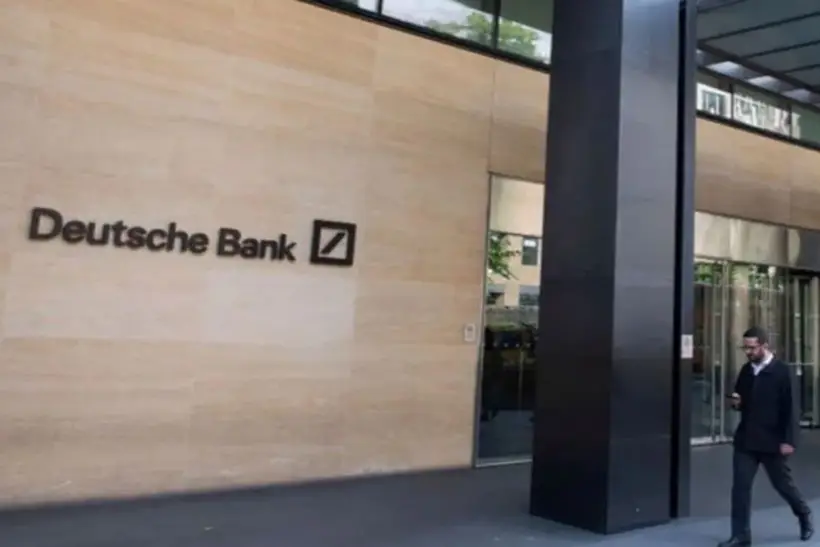
Major global banks are shifting currency strategies as the Iran conflict drives a surge in energy prices and disrupts global markets. Bloomberg reports that Deutsche Bank and JPMorgan are advising investors to increase exposure to currencies tied to oil and gas exports, as the energy shock reshapes capital flows.
The conflict has triggered one of the largest supply disruptions in modern oil markets. According to energy market data, up to 20% of global oil flows have been affected by disruptions in the Strait of Hormuz, a critical shipping route.
Oil prices have surged in response. The Guardian reported that Brent crude reached around $109 per barrel, with further upside risks if geopolitical tensions persist.
Energy-linked currencies gain investor attention
Investors are increasingly targeting currencies of energy-exporting economies, as higher oil prices improve fiscal balances and trade positions. Analysts cited by Finversia note that Deutsche Bank and JPMorgan see these currencies as key beneficiaries of the current environment.
The mechanism is straightforward: rising oil revenues boost national income and foreign exchange inflows, supporting local currencies. In a constrained supply environment, this relationship becomes more pronounced.
At the same time, JPMorgan’s earlier bearish stance on the US dollar faces new challenges. The bank has warned that a sustained oil shock linked to the Iran conflict could undermine expectations of dollar weakness, as the currency often strengthens during periods of global stress.
Energy shock increases currency volatility
The Iran conflict is already driving volatility across currency markets. Rising energy prices, supply disruptions and higher logistics costs are fueling inflation and reshaping investor positioning.
Bloomberg analysis highlights that the shock is having broader economic consequences, including inflationary pressures and risks for emerging markets.
The crisis may also accelerate structural changes in global energy trade. Deutsche Bank has suggested that the conflict could increase the use of alternative currencies, including China’s yuan, in oil transactions over time.
Dollar retains dominance despite shifts
Despite speculation about diversification, the US dollar continues to dominate global finance. Its share in international transactions exceeds 50%, reinforcing its role as the primary reserve currency during geopolitical uncertainty.
This creates a dual dynamic: energy-linked currencies benefit from higher oil prices, while the dollar strengthens as a safe-haven asset.
As International Investment experts report, the current environment is producing a hybrid currency cycle in which investors balance exposure between commodity-driven growth and defensive dollar positioning, making markets more sensitive to geopolitical developments.
FAQ
Why are banks favoring energy-linked currencies?
Because higher oil prices increase export revenues and support currencies of energy-producing countries.
What is driving currency volatility now?
Oil prices, geopolitical risks, inflation and disrupted supply chains.
Will the US dollar weaken due to the oil shock?
Not necessarily. It may strengthen as a safe-haven during crises.
Could oil trade shift away from the dollar?
There are signs of diversification, including potential increased use of the Chinese yuan.